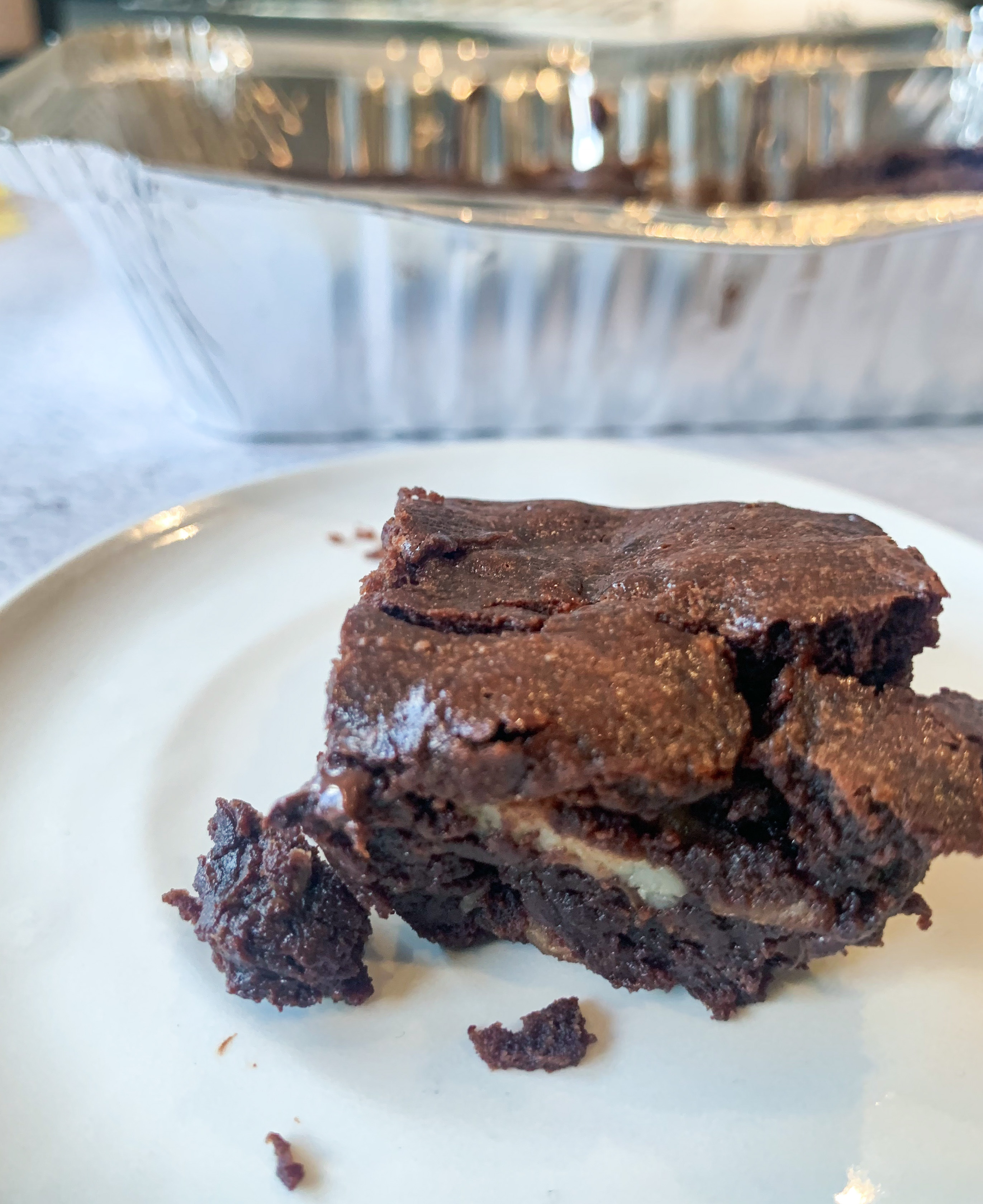
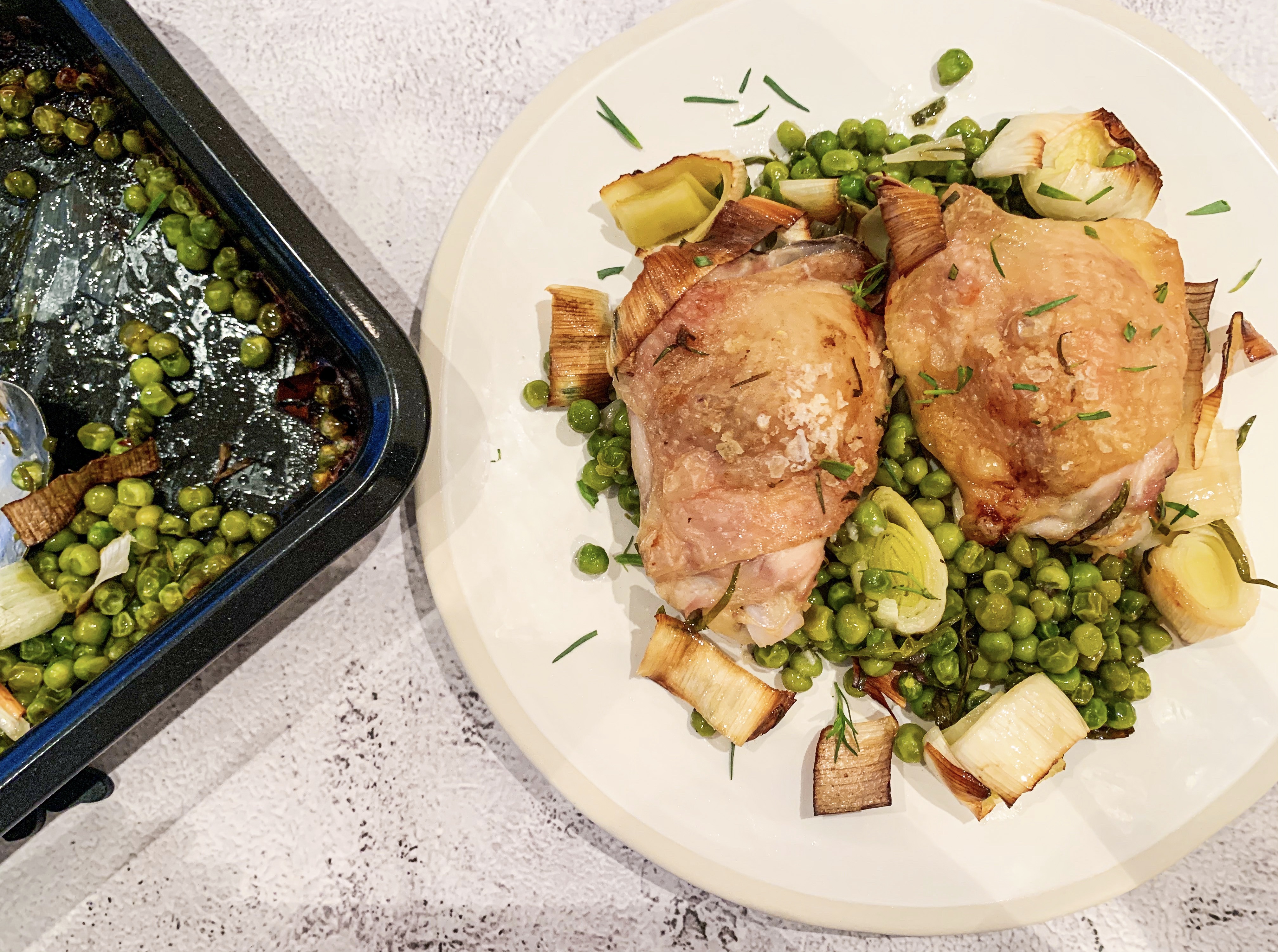
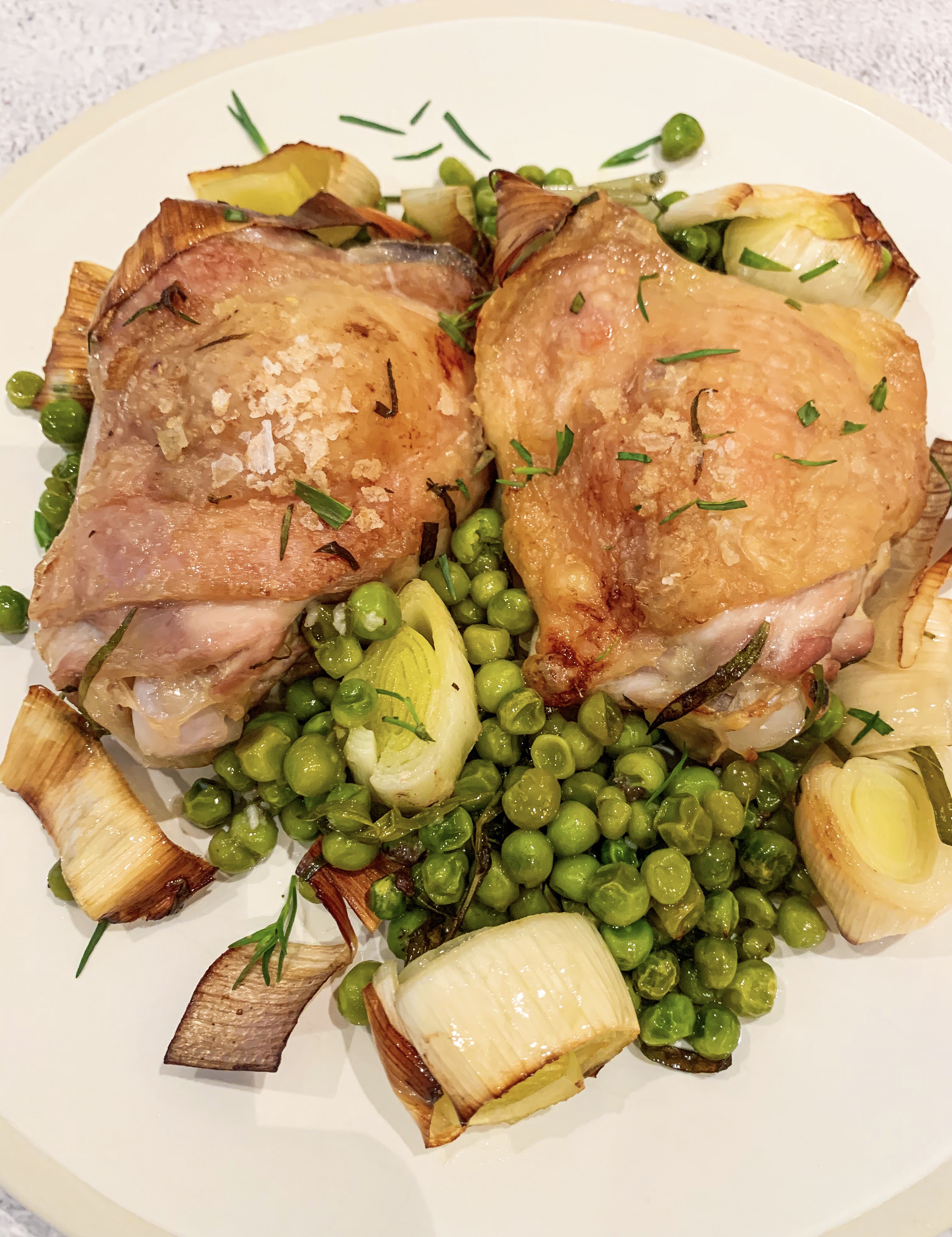
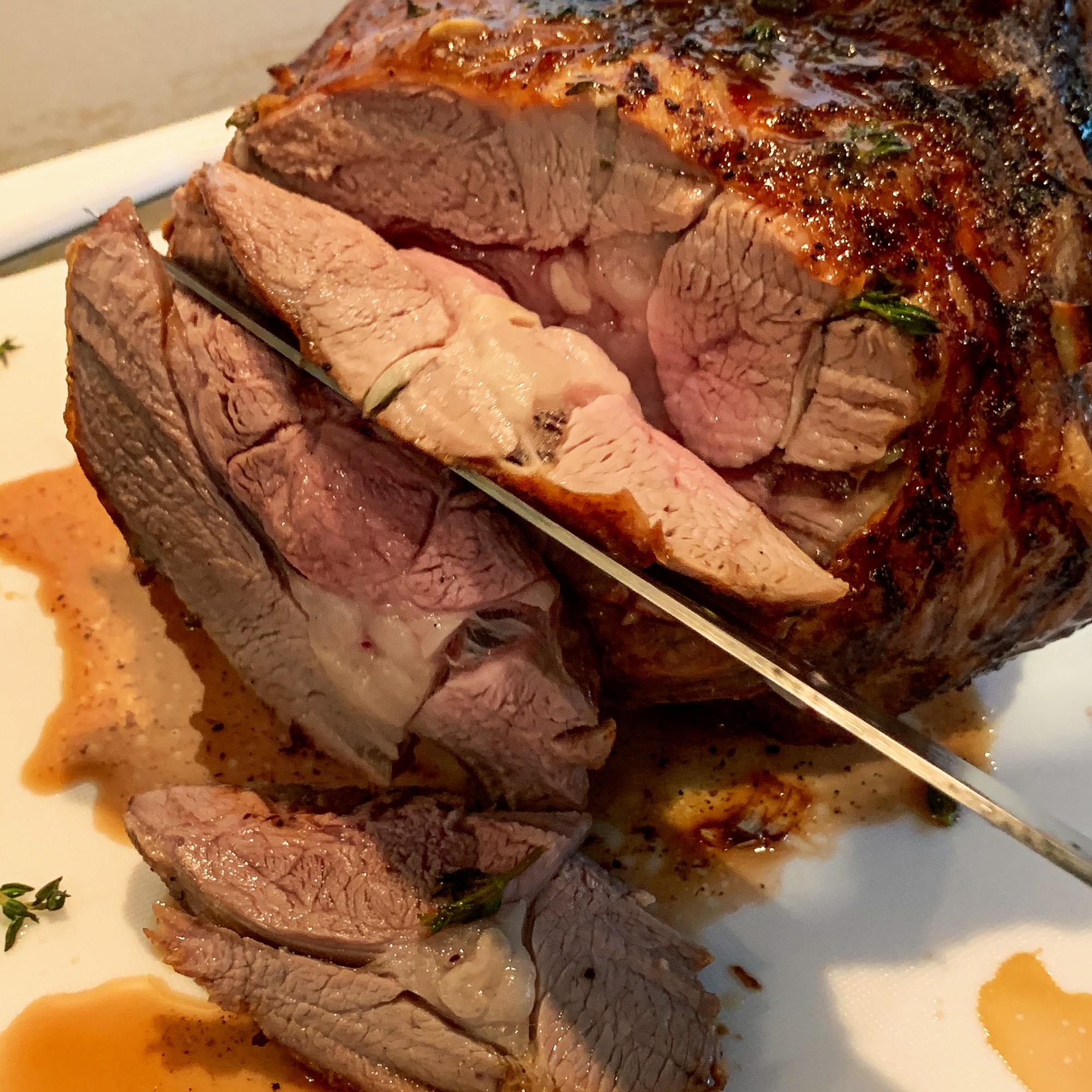
Week Eleven

Today, 2nd September is my son’s birthday. I find it very difficult to believe that 20 years ago, Felix was born and I became a mum. Where does the time go, it honestly seems like only yesterday that I was struggling with breast feeding and then later, cooking ‘Annabel Karmel’ weaning recipes! Now he is off at university – or rather should be if Covid doesn’t intervene again (who would have dreamt 20 years ago that this pandemic would be affecting all of our lives?!). Anyway for this reason I have been reminiscing, I have been going through old photos and even a few videos, musing over how young we all look! One thing that hit me when looking at these photos is how many are taken around food, and how I can still remember the flavours of some of those meals; food is something that feeds not only our tummies but also our senses, triggering memories.

It is human nature to celebrate special occasions with food, they go hand in hand, so naturally I have been thinking this week of recipes to cook to spoil our birthday boy! This of course means that I will be sharing them with you…

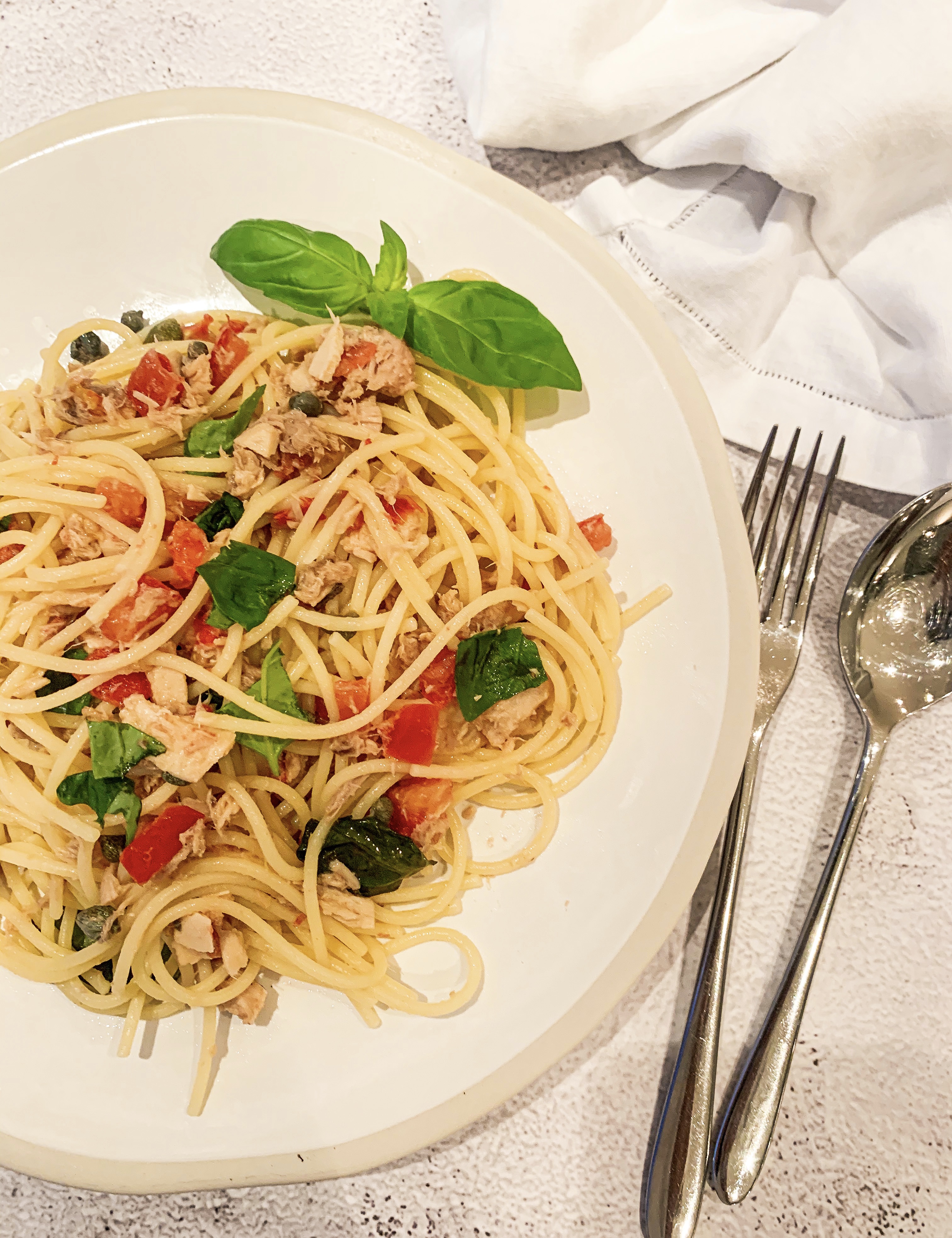
Felix, like a lot of teenagers, loves sweet and salty flavours, he is also a huge meat eater, so the first dish accommodates both these preferences – Thai Steak Salad with Ginger, which despite being a salad is a very substantial and fulfilling midweek meal. The second recipe is Spaghetti with Monkfish and Tomato Sauce, although Felix is not particularly keen on fish, he loves this pasta dish with meaty monkfish. When I first made it for him, he gave me one of the best compliments by comparing it to the food of our favourite fish restaurant in Italy; ‘This could be on the menu at Ottone!’, he exclaimed, so I instantly knew it was a winner!

Finally, a showpiece dessert, but an extremely easy one to make – a Pavlova. I make my Pavlova in the shape of a wreath, having followed a Mary Berry Christmas recipe years ago, and I must admit it really does have a ‘wow’ factor whatever the season – and that’s before anyone has even tasted it!

You don’t need to be celebrating to enjoy these recipes – both the Thai Steak Salad and the Monkfish Pasta are great midweek dinners, whilst the Pavlova is a welcome weekend treat, and I think we all need one of those…!

Enjoy!

Menu One

Thai Steak Salad with Ginger (Serves 4)

This salad has a lot of ingredients but is very simple to make and ready in 10 minutes! It is a recipe I found in the cookbook ‘Tom Aikens Cooking’, a book which I bought many years ago when he had his Michelin starred restaurant, ‘Tom Aikens’. Nick and I were lucky to eat there a few times and I must admit that the food was outstanding. The cookbook, as you can imagine from a chef of this calibre, has quite a few complicated recipes however amongst them it is possible to find a couple which are easy to cook on a midweek evening,  such as this steak salad. The flavours of this salad are great; fresh and light, with a sweet ginger taste rather than a hot firery one! If you are gluten free use gluten free soy sauce and oyster sauce.

3 – 4 sirloin steaks (depending on how hungry you are)

Olive oil

Sea salt and black pepper

1 red onion, thinly sliced

150g mixed salad leaves

For the Sauce:

2 tablespoons of bottled stem ginger in syrup, chopped

6g piece of fresh root ginger, peeled and chopped

2  fresh red chilles, finely chopped (or less according to your taste)

2 garlic cloves, thinly sliced

1 small bunch fresh mint, leaves picked

1 small bunch fresh Thai basil or regular basil, leaves picked

2 tablespoons soy sauce(gluten free if required)

1 tablespoon oyster sauce (gluten free if required)

2½ tablespoons lime juice

1 tablespoon of toasted sesame seeds

1 teaspoon caster sugar

50ml sesame oil

  1. For the sauce, grind together the gingers, the chilli, the garlic and half of the mint and basil leaves. Mix in the remaining sauce ingredients including the remaining whole herb leaves.
  2. Brush the steaks with a little olive oil and season with salt and pepper. Heat a griddle pan (or frying pan) until very hot and cook each steak for 1½-2 minutes on each side.
  3. Remove the steaks from the pan and whilst they are resting put the red onion in the pan to cook for a few minutes until caramelised.
  4. Slice the steaks into to thin slices, trimming them of any excess fat.
  5. Finally toss the meat, onions, salad leaves and sauce together in a large bowl and serve straightaway.

Menu Two

Spaghetti with Monkfish and Cherry Tomato Sauce (Serves 4)

Often nicknamed ‘poor man’s lobster’, monkfish is a lovely meaty fish making this dish totally satisfying. It is best to have all the ingredients prepared before cooking as the sauce cooks quickly. It is a very special yet quick and simple pasta dish…

400g monkfish fillet, sliced into 1cm slices

400g spaghetti

4 tablespoons olive oil

1 red chilli, chopped (or less according to your taste)

Pinch of dried chilli flakes

3 cloves garlic, finely chopped

350g ripe cherry on the vine tomatoes, halved

4 tablespoons white wine

2 tablespoons of capers

1 large bunch flat leaf parsley, chopped

1 lemon

Sea salt and black pepper

  1. Heat the olive oil in a frying pan. Season the monkfish and place in the pan, allow to colour, stirring. Then add the dried and fresh chilli, and the garlic, cook for a couple of minutes.
  2. Add the tomatoes and wine to the pan followed by the capers, cook over a high heat for a couple of minutes.
  3. Meanwhile cook the spaghetti according to the packet instructions until al dente.
  4. Drain the spaghetti and add it to the pan with the sauce along with the parsley and a squeeze of lemon juice (to taste). Toss everything together and serve. Easy!

Menu Three

A Wreath Pavlova with Summer Berries

I make this pavlova in the shape of wreath, having seen the recipe by Mary Berry for a Christmas pavlova in this wreath shape some years back. I find that this shape is not only stunning to look at but also easier to slice. I use a mixture of summer berries, but most fruits work well, so you can use whatever you have to hand. You will need to draw out the shape of the wreath on baking parchment – I find that at large plate and a saucer are about the right size – see photo above.

For the Pavlova:

6 large egg whites

350g caster sugar

1 teaspoon white wine vinegar

1 teaspoon cornflour

For the Filling:

600ml double cream

1 teaspoon vanilla paste

50g icing sugar, sifted

300g strawberries, hulled and quartered

300g raspberries

200g blueberries

A few mint leaves to decorate (optional)

Icing sugar to dust

  1. Preheat the oven to 140’c fan.
  2. First place a large piece of baking parchment on a baking sheet and draw 30cm circle (you could use a large dinner plate) and inside this circle an inner circle of 15cm (you could use a saucer) – thus creating a wreath shape.
  3. Put the egg whites in a mixing bowl and with an electric whisk, whisk until soft peaks form. Gradually whisk in the caster sugar a little at a time until the whites are stiff and glossy. Mix the cornflour and vinegar together in a small cup and then whisk into the whites.
  4. Spoon the meringue mixture onto the ring drawn on the parchment. Using a spoon to make a shallow trench in the meringue for the cream to sit in – see photo above.
  5. Place in the oven and immediately reduce the temperature to 120’c. Bake for 1 hour- 1 hour 15 minutes until the outside is hard but still white. Turn off the oven and leave the pavlova inside for at least an hour or overnight to cool and dry (don’t forget it’s in the oven!)
  6. To assemble, whip the cream, vanilla paste and icing sugar together until stiff peaks form. Spoon the cream in the trench of the pavlova and top with the berries and decorate with the mint leaves (if using). Finally sprinkle with icing sugar. Delicious!!

Week Ten Recipes

This week is the end of August which means a long bank holiday weekend. Thinking of this, I realised that normally it would be Notting Hill Carnival, the renowned Caribbean carnival and the largest street party in Europe, which of course won’t be going ahead due to Covid-19. My dad is from the West Indies, Guyana, so the flavours of the Caribbean, although very much watered down through my English mum, were sporadically present during my childhood. Later, when I moved up to London, I lived in Notting Hill for a number of years, the flat that I shared overlooked one of the streets on the carnival route, so for a few years I had the perfect seat to spectate! I must admit since those days, over twenty years ago, I haven’t visited the carnival – I think I was spoilt from having had the private view from my flat(!), however I do like to watch the highlights on television as it brings back not only the memories of my younger years but also the culinary flavours which my dad would bring to our table every so often when I was a child. It is these flavours that instilled in me the love of cooking; during those ‘tasteless’ years of the seventies it showed me that there were interesting and exotic flavours to be found! So, this week I thought I would have a little celebration of the Caribbean on Menu Mistress, this is more of a theme, as apart from my dad’s curry recipe, they are not necessarily authentic recipes but they do have the subtle, spiced flavours of the West Indies. They are all recipes which I have enjoyed over the years so I hope that you will also enjoy them, and that they will bring a ‘carnival of flavours’ to your dinner table!…

Menu One

Spiced Chicken breast with Sweet Potato Mash (Serves 4)

I must admit that before tasting this recipe I had never truly liked sweet potato, but the lime and coriander in this dish cut the sweetness of the potato, it really is delicious. So if you aren’t a lover of sweet potato please try this recipe – you will be converted! This subtly spiced chicken dish is very easy to make, making it a perfect midweek dinner.

4 boneless, skin on chicken breasts

1 kg sweet potatoes, peeled and cut into large chunks

1 level teaspoon coriander seeds

1 level teaspoon cumin seeds

½ teaspoon fenugreek seeds

2 cloves garlic, crushed

4cm piece of ginger, peeled and chopped

2 level teaspoons ground paprika

2 tablespoons lime juice

2 tablespoons groundnut oil

75g unsalted butter

1 bunch of coriander, chopped – keep a few sprigs back for decoration

Lime wedges, to serve

Sea salt and black pepper

  1. Place the sweet potato in a steamer, sprinkle with salt and steam for about 20 minutes until cooked through.
  2. Meanwhile, place the coriander, cumin and fenugreek seeds in a small frying pan and ‘dry-roast’ for about  1 minute until they smell aromatic. Finely grind in a mortar and pestle. Add the garlic, ginger, paprika, 1 tablespoon of lime juice and the oil, mix to a paste.
  3. Make 2-3 cuts about 5mm deep in each chicken breast. Rub each breast all over with the paste.
  4. Place the chicken breasts on a baking tray in a preheated oven, 200’c fan, for 25 minutes until cooked through.
  5. When the sweet potatoes are cooked through, place in a bowl and mash, adding the butter, remaining lime juice and plenty of black pepper. Stir through the chopped coriander.
  6. Pile the mash in the centre of 4 plates, top with the a chicken breast and garnish with the coriander sprigs and serve with lime wedges.

Menu Two

Carnival Chicken Rice with Plantain (Serves 4 – 6)

Another subtly spiced dish, if you want a little more heat, you could serve it with a chilli sauce – I recommend the Encona Original Pepper Sauce which is readily available in supermarkets. The plantain is an important addition to this dish so don’t omit it, as it lifts the whole dish, the plantain must be ripe; it should have a dull yellow colour with patches of black, if you can’t find it in your local supermarket you should be able to buy it from a Indian/African grocery store. This is a recipe that I have ‘tweaked’ from Diana Henry’s ‘A Bird in the Hand’.

200g white long grain rice

Olive oil

250g tomatoes, chopped

2 large cloves garlic, chopped

4 spring onions, chopped

2 red chillies, halved and finely sliced

¼ teaspoon dried oregano

1 teaspoon ground cumin

3 tablespoons fresh coriander, chopped

4 skinless, boneless chicken thighs

3 ripe plantain, peeled and sliced (see note about plantain – above)

3 limes

Sea salt and black pepper

Hot pepper sauce – optional (see note above)

  1. First cook the rice according to the instructions on the packet.
  2. Meanwhile in a frying pan heat 1 tablespoon of oil and cook the tomatoes for about five minutes, then add the garlic, spring onions, chillies, oregano and cumin. Remove from the pan and keep warm.
  3. Wipe clean the frying pan and heat another 2 tablespoons of oil, season the chicken thighs and fry on both sides until cooked – a total of about 9 minutes. Once cooked cut into strips and keep warm.
  4. In the same frying pan heat enough olive oil to cover the base of the pan to shallow fry the plantain. Cook the slices on each side until golden brown – it will take about 5 minutes in total. Remove and drain on kitchen roll. Sprinkle with salt and a little juice from one of the limes.
  5. Finally, add the rice, chicken and tomato mixture to a clean frying pan and gently heat through. Stir through the chopped coriander, and about 2 tablespoons of lime juice, season with salt and pepper to taste.
  6. Serve the chicken rice with the sliced plantain, the remaining limes, quartered and, if desired, some hot pepper sauce on the side.

Menu Three

‘Daddy’s’ Curry with Fried Plantain (Serves 6)

Ok, this is my comfort food recipe, I am sure that we all have one of those from our childhood – our hug on a plate! My dad is from Guyana in the West Indies, and this is the curry that he grew up on. West Indian curry is totally different to Indian curries, it is not supposed to be particularly spicy, it is more of a stew with potatoes which is served with a ‘pepper sauce’ on the side to spice things up if you desire (try Encona Original Pepper Sauce ). Traditionally it is made with goat meat or mutton. Goat meat is now becoming quite popular in the UK, you should be able to order it from your butcher, otherwise it is available mail order from Coombe Farm Organic , unfortunately they only sell the diced meat off the bone which works, however the bone does give the finished dish more flavour. Often, in the Caribbean, curry is served with rice and peas (kidney beans), but I like to serve it simply with plain, white, long grain rice, and with some fried plantain on the side (recipe below). Plantain is another hug on a plate, and is a must as an accompaniment for this curry, if you can’t find it in your local supermarket you should be able to find it in a grocery store which sells Indian/African produce. I like to buy the ‘Rajah’ or ‘TRS’ brand of spices for this curry as I feel that the quality is more authentic, so if you can, shop for these – I buy them from my local Indian grocery shop.

*It is important to leave this curry 24hours before eating it in order to develop the flavours.

1.5kg shoulder of goat or mutton, 1kg diced meat and 500g of bone diced

1 onion, chopped

3 large garlic cloves, chopped

1 red chilli, chopped

6 tablespoons olive oil

4 heaped tablespoons of mild madras curry powder – see note above

1 level tablespoon ground cumin (jeera powder) – see note above

1 level tablespoon ground coriander (dhaniya powder) – see note above

2 teaspoons garam marsala

3-4 medium/large potatoes – peeled and halved or quartered

2½ teaspoons of salt

8 tablespoons water, plus 285ml

  1. Wash the meat and bones(to rinse it of blood), put to one side.
  2. Heat the oil, fry the onion, garlic and chilli over a medium heat until lightly browned.
  3. Meanwhile mix the curry powder, cumin, coriander and 1 teaspoon of the garam marsala with the 8 tablespoons of water to create a paste.
  4. Add the curry paste to the onion mixture and cook gently for a couple of minutes to thicken.
  5. Add the meat and bones, stirring well. Cook for 10 minutes, until water starts to be given off.
  6. Add the potatoes and salt, stir and place a lid on the pan, simmer over a gentle heat for 30 minutes, stirring occasionally .
  7. Add 285ml water and cook for a further 30 minutes.
  8. Remove from the heat – it is now important to leave it overnight in the fridge so that the flavours develop.
  9. 24 hours later, reheat the curry and cook gently, over a low heat for 1 hour – if the sauce looks dry half way through cooking add a little extra water, but it should be fine without.
  10. Before serving, remove the bones, sprinkle over the remaining 1 teaspoon of garam marsala and stir.
  11. Serve with fried plantain and white, long grain rice, and with hot pepper sauce on the side – if desired (I prefer it without this added heat).

Fried Plantain

Fried Plantain – A Hug on a Plate?!

*The plantain must be ripe – it should have a dull yellow colour with patches of black.

3 plantain, peeled and sliced

Olive oil

Sea salt

  1. Pour enough olive oil in a frying pan to generously cover the bottom of the pan, place over a medium to high heat.
  2. Once the oil it hot place the sliced plantain in the oil and fry each side until golden – I use two forks to turn each piece over individually.
  3. Drain on kitchen roll and sprinkle with salt.

Menu Four

Caramelised Rum Bananas with Vanilla Ice-Cream (Serves 4)

A super quick and a very delicious dessert!

*you could make this without the rum for an alcohol free option

60g unsalted butter

6 tablespoons dark brown sugar

4 ripe bananas, cut in half and sliced lengthways

3 tablespoons dark rum (optional)

Vanilla ice-cream to serve

  1. Place the butter and sugar in a frying pan over a low heat, stir until the sugar dissolves and begins to bubble. Simmer for about 2 minutes then add the bananas, continue to simmer for another minute or so.
  2. Add the rum, stir and remove from the heat.
  3. Serve with a scoops of vanilla ice-cream.

*You can see the video of this dessert being made by clicking on this link to my Instagram Page

Week Nine Recipes

Ok, I’m back to reality this week; our week in the Cotswolds was very special, and was generally a ‘foodie’ success! We stayed at two boutique hotels, one was an incredible experience whilst the other, was one that I’d rather not repeat(!) – you can read more about that on my new ‘Eating Out’ page!

More than anything, after months under ‘Covid lockdown’, I appreciated the change of scenery that our break offered. I have returned home inspired, with many recipe ideas and I am now back to trying and testing recipes in my kitchen; trying to emulate the flavours of the meals I had. Naturally the food that was cooked for me last week was done so by professional chefs, so many of the recipes were rather complicated and would demand too much preparation and cooking time for a weekday meal. I want to produce the flavours of these meals but without having to spend hours in the kitchen(!), so I have started searching through my many cookbooks for recipes which will use the same combination of ingredients thus have the same beautiful flavours, but which won’t require too much time to cook. Over the coming weeks I hope to share some of these new menu ideas with you!

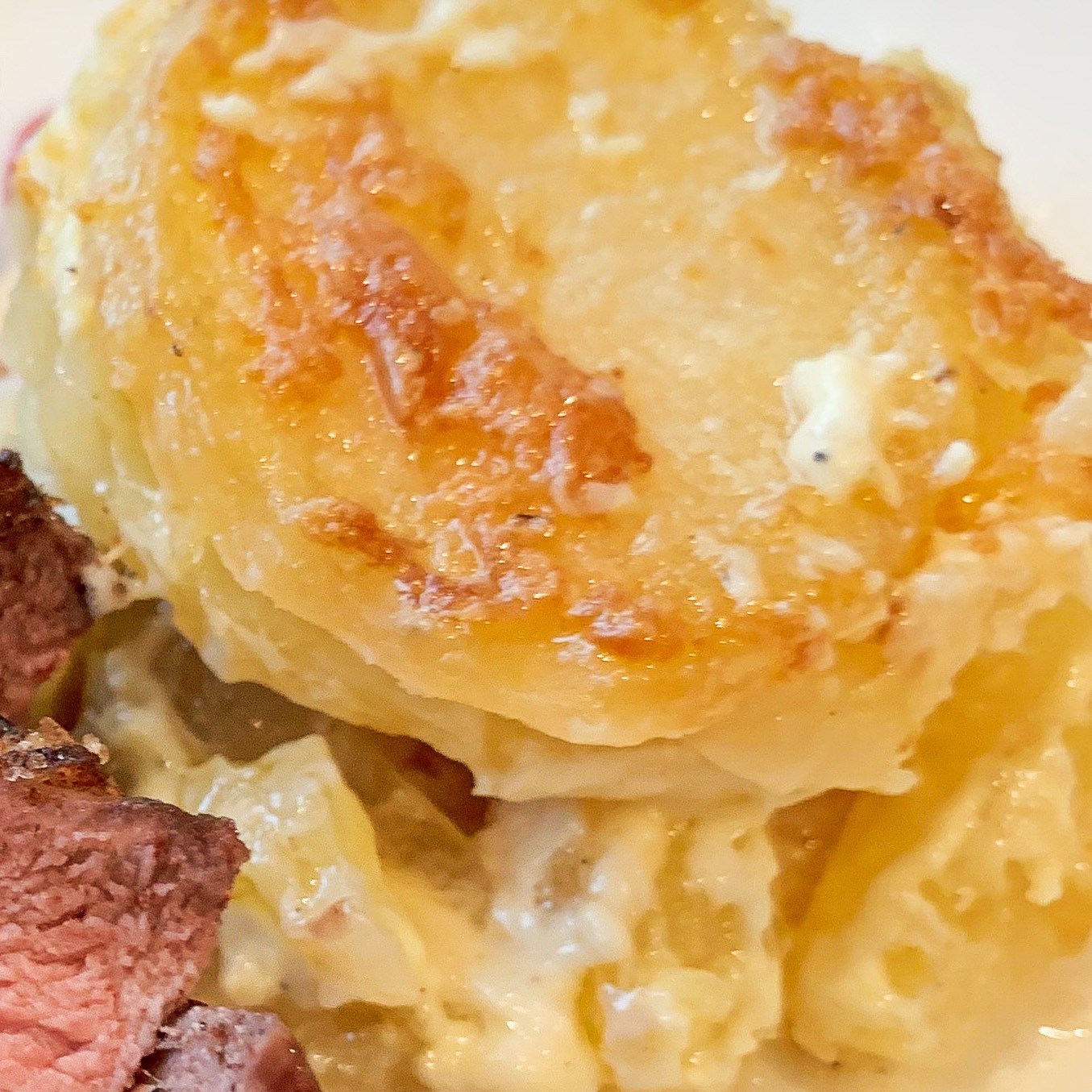
This week’s first menu, Lamb chops & Parsley Butter, is extremely simple to cook. Last week Nick and I shared a beautiful rack of lamb which was served with a ‘summer, white wine jus and dauphinoise potatoes,’ it was admittedly delicious, but at home when we haven’t got the time to breadcrumb a rack of lamb, make a jus and dauphinoise potatoes, a simpler recipe such as these individual lamb chops served with a parsley butter are just as gratifying as a ‘posh’ rack, and are ready in minutes! The second menu, Sole with a Crab Stuffing, is inspired by a starter and a main course that we had at Foxhill Manor, all the flavours are combined into one dish. I found this dish by coincidence in J. Sheekey’s ‘Fish’ cookbook, it is a very impressive and seemingly complicated dish yet it is incredibly easy to cook and a great ‘Fish Friday’ treat! Finally as figs are in abundance at the moment, I have decided to use them for a wonderfully quick dessert, Marsala Fried Figs with Vanilla Mascarpone – these days we are able to buy figs throughout the year, so this delicious dessert is worth remembering all year round!

Menu One

Lamb Chops & Parsley Butter served on a Bed of Watercress with New Potatoes (Serves 4)

Despite the simplicity of this recipe it has lots of flavour. The watercress is an excellent accompaniment to the lamb whilst the parsley butter, with its touch of lemon juice, enhances the flavours superbly. A real midweek treat! You won’t use all the butter but it is great to have in the freezer – ready to slice and add to steamed potatoes on any occasion. This recipe calls for curly parsley rather than flat leaf, simply as it adds a little more texture and has a milder flavour, but you can use either type.

400g new potatoes

8 lamb chops

A little olive oil

100g butter, softened and cubed

A bunch of curly parsley, chopped (see note above)

Juice of ½ lemon

200g watercress, trimmed

Sea salt and black pepper

  1. First make the parsley butter. Place the butter in a bowl with the chopped parsley, lemon juice and seasoning, mix well. Spoon on to a sheet of cling film and roll into a log shape, place in the freezer, wrapped in the clingfilm. Do not wash up the bowl that you used for mixing the butter – you can use it to season the steamed potatoes when serving!
  2. Steam the potatoes for 20 minutes or so until cooked.
  3. Meanwhile place the watercress on your plates.
  4. Season the lamb chops and brush with a little olive oil, fry on a griddle pan (or in a normal frying pan) for about 2½-3 minutes each side so that they are still pink in the middle. Place the chops on the plates, on top of the watercress.
  5. Now take your reserved ‘butter bowl’ and place the cooked potatoes in it, mix them around so that they get a good coating of the leftover butter, then place them on the plates.
  6. Finally cut four slices from the parsley butter and place on top of the chops.

Menu Two

Plaice with Crab and Olive Stuffing served with Sautéed Spinach and Steamed New Potatoes (Serves 4)

Plaice with Crab and Olive Stuffing

This is a very impressive, elegant dish yet unbelievably easy to cook – my favourite kind of dish! The crab stuffing is the star of this recipe, any unused stuffing is equally delicious spread on toast for lunch the next day or stirred through spaghetti as a sauce. I only use crab in my stuffing, but you could cut it with fresh bread crumbs, using half crab, half breadcrumbs – which will keep the cost of the dish down. I serve this with sautéed spinach with garlic (recipe below) and steamed new potatoes. This recipe is from the London restaurant, J. Sheekey, and can be found in their cookbook ‘Fish’.

4 skinned plaice fillets

50ml white wine

1 lemon, juiced

Olive oil

For the stuffing:

50g unsalted butter

1 shallot, chopped

1 clove garlic, crushed

½ red chilli, deseeded and chopped

200g white crab meat (or 100g crab meat and 100g fresh white breadcrumbs – see note above)

30g black Kalamata black olives, chopped

½ bunch parsley, chopped (and a little extra to serve)

1 lemon, zested (use lemon from above)

Olive oil

Sea salt and black pepper

  1. For the stuffing, heat the butter in a saucepan, add the shallot, garlic and chilli and cook for 2 minutes, then, if using breadcrumbs add these and cook for a further minute.
  2. Remove from heat and add the crab meat, olives, lemon zest and parsley – season and mix well – if it seems a little dry add a splash of olive oil.
  3. Lay the plaice fillets out flat and place some stuffing in the middle of each fillet, roll the fish up from the tail end.
  4. Place each rolled up fillet in a baking dish. Splash the olive oil, lemon juice and white wine over the fish and place in a preheated oven, 200’c, for 15 minutes.
  5. Sprinkle over the remaining parsley and serve with sautéed spinach and steamed new potatoes.

Sautéed Spinach with Garlic (Serves 4)

2 large bunches of baby spinach (washed) – about 400g

Olive oil

2 cloves of garlic, sliced

Sea salt and black pepper

  1. Heat 2 tablespoons of olive oil in a large frying pan. Add the garlic and sauté for about 1 minute until the garlic is beginning to brown.
  2. Add the spinach, turning it over to coat in the olive oil. Place a lid over the pan and cook for 1 minute. Remove the lid and stir. Return the lid and cook for a further minute.
  3. The spinach should now be wilted, add a drizzle of olive oil, season with salt and pepper, and serve.

Menu Three

Marsala Fried Figs with Vanilla Mascarpone (Serves 4)

This must be one of the quickest desserts – perfect for a midweek treat…(and it almost feels healthy as it’s fruit!!). Like Maderia wine, Marsala wine, once opened can be kept refrigerated for some months without deteriorating, it is great to have around as just a splash will often lift a simple sauce – try it!…

200g mascarpone cheese

2 tablespoons icing sugar

2 teaspoons vanilla paste

20g unsalted butter

8 ripe figs

1-2 teaspoons honey

4 tablespoons Marsala wine

30g sliced almonds, toasted in dry frying pan (optional)

  1. Place the mascarpone, sugar and vanilla paste in a bowl and use an electric beater to whip for 2 minutes until light and fluffy.
  2. Melt the butter in a frying pan, once foaming add the figs, rounded side down. Fry for 1 minute. Add the honey and turn the figs over, fry for another minute then pour over the Marsala, allow it to bubble for a minute or so until syrupy.
  3. Spoon the mascarpone into bowls and top with the figs and some of the sauce. To finish sprinkle with the toasted almonds.
  4. Enjoy!

Week Eight Recipes

I have a confession to make, this week I am not cooking at all…at this very moment Nick and I are in the Cotswolds having a mini holiday in a beautiful boutique hotel! It’s not the Italian summer holiday that I was yearning for last week, but it is an extremely good alternative! We will be spending this week in two hotels, we have chosen them both for their reputation for being a ‘foodies’ heaven, so I am hoping that next week I will be able to share with you our food heaven experience! Let’s hope, as you read this, the sun is shining for us and that we are able to enjoy some walks in the Cotswolds countryside followed by a glass of champagne, and dinner al fresco – perhaps I’m expecting too much from our British weather?!…

Anyway, being the control freak that I am, I have prepared Menu Mistress for my absence, and have had this week’s menus ‘up my sleeve’ for some time. The first menu is very unusual but very delicious, I had never cooked cucumber before coming across this recipe in a magazine a few years ago, and it was a revelation. The cucumber in this dish, complimented by dill, makes a simple chicken breast truly memorable – it will make any week day dinner seem like a very special occasion, yet, like all of Menu Mistress’s recipes, it is not too time consuming to cook during the week when time is precious. I serve this dish with plain, unadorned, green fine beans and ‘Concetta’s Potatoes’; if you read my blog last week you may recognise the name of Concetta, who is our friend and the chef at the’ bagno’ which we visit annually in Italy, these potatoes are nicknamed after her as they are one of the recipes she shared with me many years ago. They are quite simply, sliced potatoes baked with garlic, rosemary and sage until crisp. The second menu is another special treat – sea bass. It is worth cooking this dish simply for the lemon potatoes – and indeed I will be adding the recipe to my ‘staple side dishes’ as they go beautifully with other fish recipes and also with simple roast chicken. The sea bass is cooked whole, it just needs 20-30 minutes in the oven, after which you’ll have a perfect summer dinner. Finally, I’m sharing another ‘no churn’ ice-cream recipe, it is flavoured with the taste of British summer, strawberries!

So, although I’m not cooking this week, there is no excuse for you not to cook….Enjoy!

Menu One

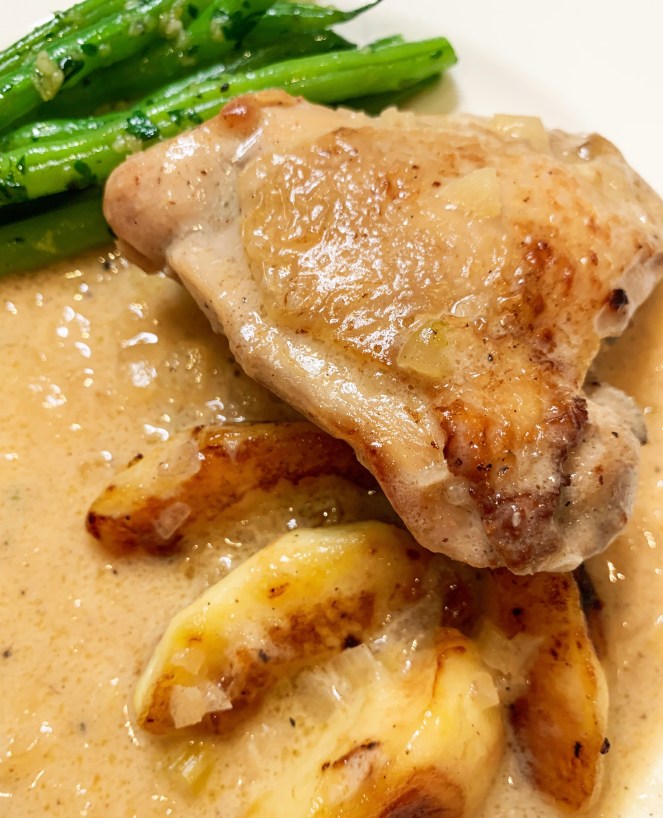
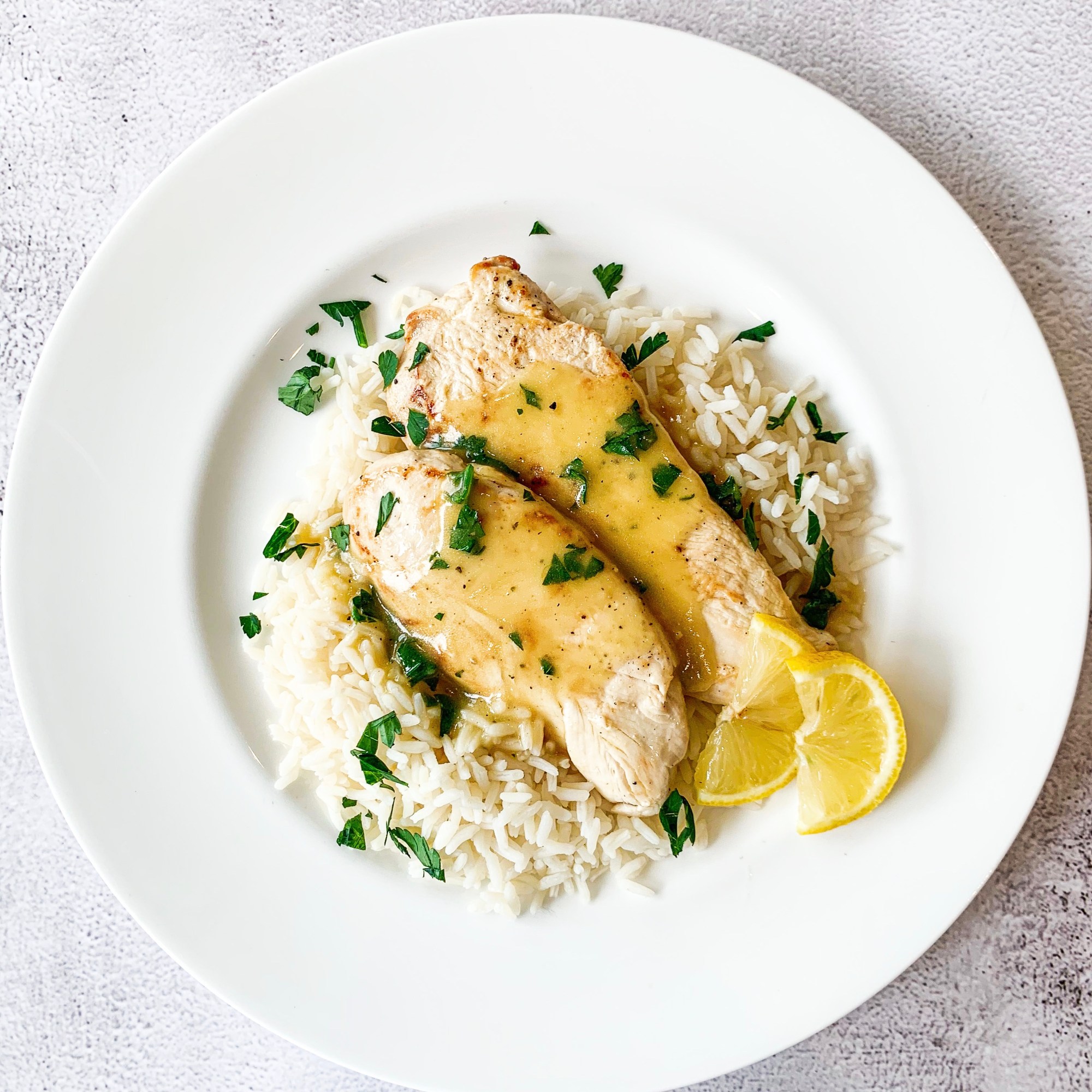
Chicken Breasts with Cucumber, Dill and Mustard Served with ‘Concetta’s Potatoes’ and Fine Green Beans (Serves 4)

I must admit that I had not come across cucumber cooked in a sauce before finding this recipe in a magazine, but it was a revelation, you must try it! It really adds a special dimension to a simple chicken breast recipe. I like to serve it with fine green beans and with ‘Concetta’s Potatoes’, these are named after our Italian friend (and chef), who gave me the recipe many years ago; they are sliced baked potatoes with garlic, rosemary and sage, alternatively steamed new potatoes go very well with this dish.

40g unsalted butter

4 skinless chicken breasts

1 teaspoon flour (use gluten free flour if required)

100ml dry, white vermouth

600ml chicken stock

1 cucumber

175g créme fraiche

2 teaspoons grain mustard

Juice of half a lemon

A small bunch dill, chopped

Sea salt and black pepper

  1. Melt 25g of butter in a frying pan. Lightly brown the chicken breasts, season and sprinkle over the flour, cook for a minute and then add the vermouth, reduce by two-thirds.
  2. Add the stock, bring to the boil, then turn down the heat to simmer gently. Cover and cook for about 30-40 minutes, until the chicken is cooked through
  3. Whilst the chicken is cooking, peel the cucumber, cut it in half and deseed, then cut into slices the thickness of a pound coin.
  4. Fry the cucumber slices in the remaining butter. Cook quickly until they are just tender – not floppy – and tinged with gold in places. Remove to a plate.
  5. Once the chicken is cooked, remove from the pan, keep warm. Boil the remaining liquid until it is reduced by half and starting to look slightly syrupy. Add the crème fraiche, mustard and half the lemon juice. Cook until the sauce has thickened to the consistency of single cream.
  6. Return the chicken to the pan along with the cucumber and the chopped dill. Taste to adjust the seasoning – perhaps a dash more of lemon juice or mustard.

  7. Serve with ‘Concetta’s potatoes’ or steamed new potatoes and green fine beans.

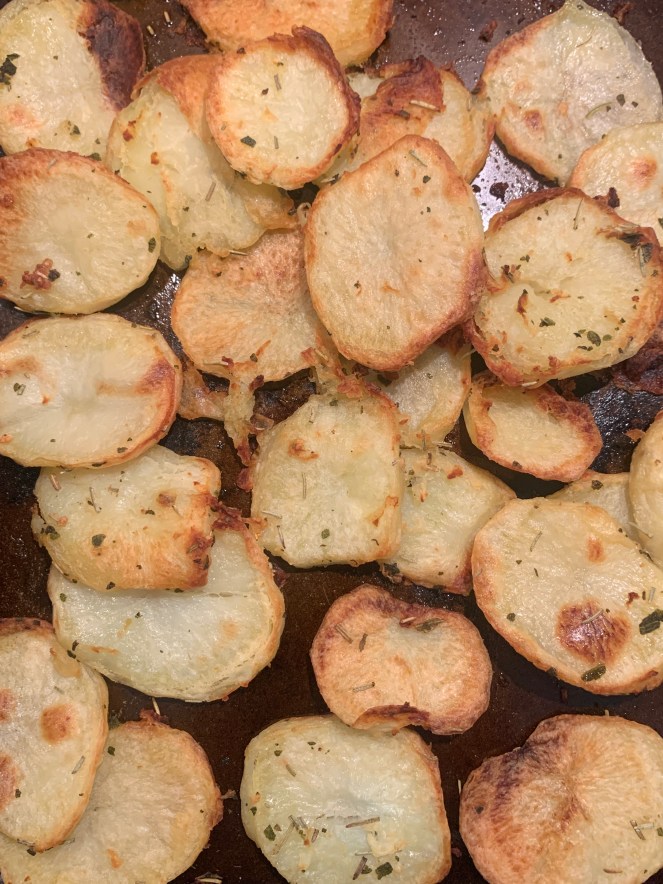
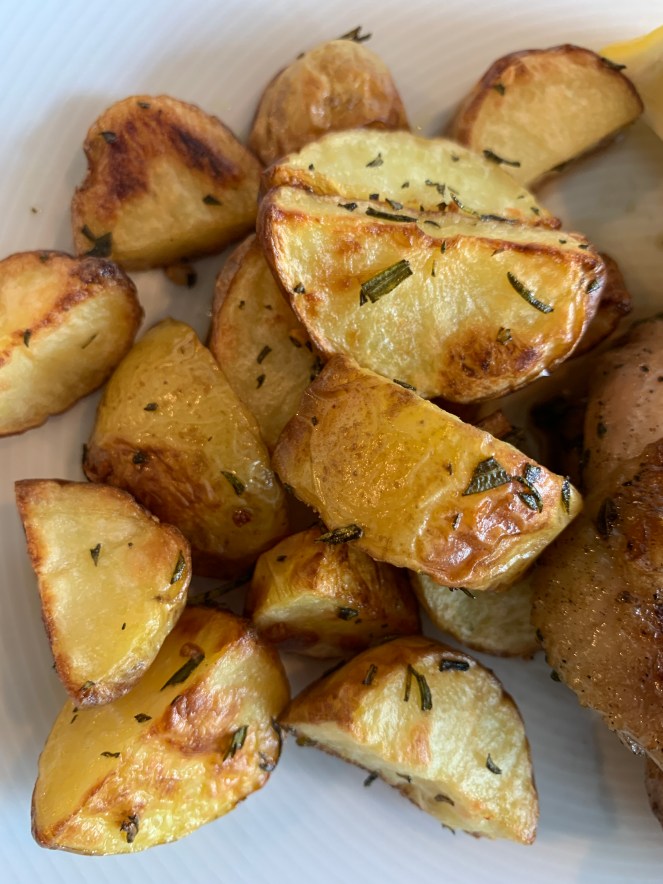
Concetta’s Potatoes

Concetta’s Potatoes

4 large potatoes – such as Maris Piper (roasting potatoes)

1 teaspoon dried rosemary

1 teaspoon dried sage

Sea salt and black pepper

2 cloves garlic, crushed

Olive oil

  1. Peel and slice the potatoes, and parboil in boiling water for 4 minutes.
  2. Place in a roasting tin, sprinkle over the rosemary, sage and garlic, season with salt and black pepper and drizzle over some olive oil – mix well.
  3. Place in a preheated oven, 200’c fan, for 35-40mins until crispy and well browned.
Menu Two

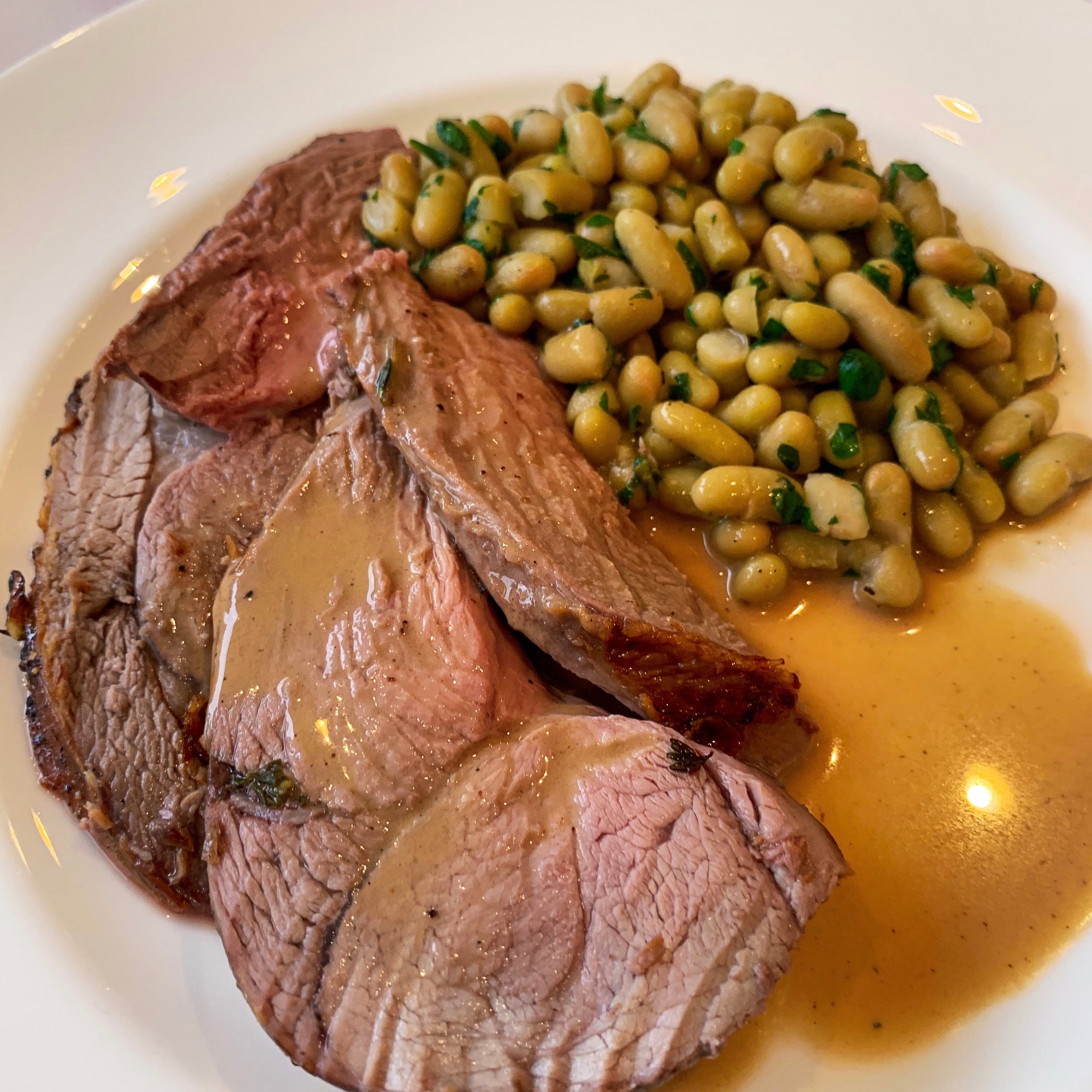
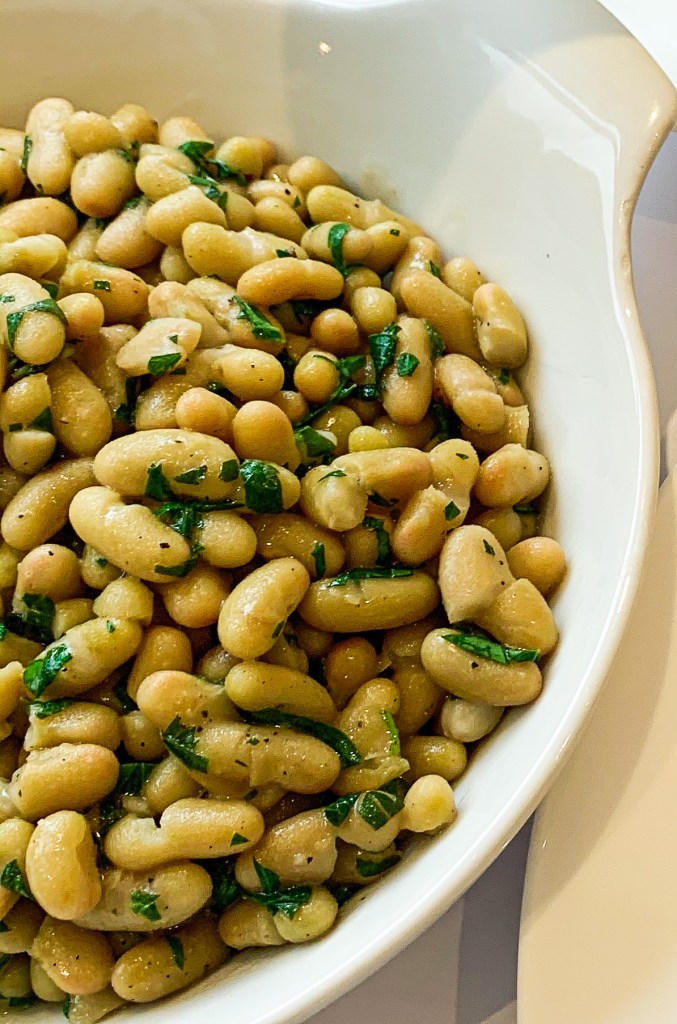
Baked Sea Bass with Lemon Potatoes and a Salad with Lemon Vinaigrette (Serves 4)

This is a lovely, simple recipe which I found in the cookbook, ‘Cook; A Year in the Kitchen with Britain’s Favourite Chefs’, just as its title indicates, it contains many different recipes from various chefs; this particular recipe is by Bill Granger and is one that I have cooked on numerous occasions. Cooking a whole fish can seem daunting – but believe me this recipe is particularly easy! It is worth cooking this dish simply for the lemon potatoes – they are delicious, I often make them on their own to serve with simple roast chicken or other fish recipes.
*You can see the video of this fish dish being made by clicking on this link to my Instagram Page

1 whole sea bass for 4 people

1 bunch of coriander

10 spring onions

1 teaspoon chilli flakes

2 tablespoons olive oil

1 teaspoon sea salt

For the Lemon Potatoes:

1 kg new potatoes (waxy potatoes)

3 tablespooons olive oil

3 cloves garlic, crushed

125ml fish or chicken stock

60ml lemon juice

100g pitted black olives, sliced (optional)

1 small bunch parsley, chopped

Sea salt and black pepper

  1. For the lemon potatoes, cut the unpeeled potatoes into thick slices and place in a roasting tin. Add the olive oil, garlic, stock, lemon juice, salt and pepper, and toss to combine.
  2. Bake in a preheated oven, 200’c fan, for 30 minutes stirring every 10 minutes
  3. Meanwhile put the coriander, spring onions, chilli flakes, olive oil and salt in a processor and process to make a coarse paste.
  4. Make 3 slashes on each side of the fish and place on a baking tray. Spread the paste over the fish rubbing it into the slashes.
  5. After the potatoes have cooked for 30 minutes, lower the oven temperature to 180’c and place the fish in the oven on the shelf below the potatoes.
  6. Bake the fish (and continue baking the potatoes) for 20 minutes or until cooked through, 5 minutes before the end of cooking add the olives and the parsley to the potatoes.
  7. Serve immediately

Staple Side Dish – Salad with Lemon Vinaigrette

Green Salad with Fennel

Make up a salad as desired and dress with this lemon vinaigrette (I particularly like a green salad with sliced fennel with this fish recipe):

3 tablespoons extra virgin olive oil

finely grated zest and juice of half unwaxed lemon

pinch of sugar

sea salt and black pepper

  1. Whisk all the ingredients together.

Menu Three

Strawberry ‘No Churn’ Ice-Cream

Another ice-cream recipe using condensed milk, so once again super easy – no ice-cream maker needed. By roasting the strawberries the flavour becomes more intense; I have tried making it without roasting the strawberries and believe me it definitely makes a difference, so it is worth the effort!

*You can see the video of this dessert being made by clicking on this link to my Instagram Page

1kg strawberries, hulled and sliced (plus extra to serve – optional)

1 tablespoon white sugar

1 teaspoon vanilla extract

1 can (397g) condensed milk

500ml double cream

  1. Put the strawberries on a baking try lined with greaseproof paper. Sprinkle over the sugar and toss to combine, spreading them out in one layer. Place in a preheated oven, 160’c fan. Roast for 45 minutes, then stir and cook for a further 15 minutes.
  2. Remove from the oven and place the strawberries in a processor to blend until smooth. Leave to cool completely.
  3. Add the condensed milk and vanilla extract to the cooled strawberry mixture, beat with a handheld electric beater to aerate for about a minute.
  4. Place the cream in another bowl and beat into stiff peaks.
  5. Add a dollop of cream to the strawberry mixture, fold through and continue to gently add the remaining cream to combine.
  6. Tip the strawberry mixture into a container (with a lid). To stop ice crystals forming, cover the mixture with a sheet of greaseproof paper before putting the lid on.
  7. Freeze.
  8. Remove from the freezer 5-10 minutes before serving to soften.

Week Seven Recipes

Like many of you, this year my summer holiday plans have been scuppered due to the ‘pandemic’. Normally we spend our summer break in Italy, last week reality struck (not for the first time), and I started to yearn for the Italian sun and particularly the food. Over the years, we have been fortunate in building strong friendships with Italians from the local area we visit, and have often joined them at their family dinner table to taste the true flavours of ‘La Cucina’. I have enjoyed being the ‘hovering’ chef as my friend Betti has cooked, among other things, a spaghetti vongole – revealing that the very best Italian vongoles are made with prosecco or sparkling wine. After tasting the result I’m not going to argue with her; perhaps it’s my imagination – perhaps it’s just the Tuscan sun, but it seems to make the sauce a little sweeter. Other times we’ve enjoyed a whole roast suckling pig, or simply ‘lardo’ with chestnut honey. I always remember when our late, very dear friend, Franco introduced us to lardo over 17 years ago, I looked at the white ‘fat’ and really didn’t fancy it, but for want of not appearing rude I soldiered on…it was a revelation, particularly drizzled with chestnut honey – a beautiful combination of sweet and salty! These days it’s possible to buy lardo from good Italian delicatessens in the UK, if you haven’t already tried it, I urge you to, particularly if you can find ‘lardo di Colonnata’.

We have visited the same family run ‘bagno’ (beach club) for more years than I wish to admit. Most of these family run ‘bagni’ have their own trattoria’s which serve incredible pastas, simple but delicious. Concetta, the cook at our bagno, serves among other things a delicious Spaghetti alle Frutti de Mare – a real treat at lunchtime after a morning on the beach. Knowing how I love cooking, she always likes to tell me, with animation and pride, her recipes for the sauces, and on occasion I have even been invited into her little kitchen – a great honour! But alas this year our aperitivi in the Piazzas, al fresco dinners, and late evening ‘passeggiate’  with a gelato will have to wait until next year. So in the meantime, I thought that this week I would present a version of my Italian menu which, English weather permitting, we can enjoy al fresco, and perhaps if I close my eyes whilst savouring these Italian recipes, I can imagine that I’m really on my Italian holiday!…

To start with I’m sharing my recipe for Spaghetti Vongole, then, for the taste of a true Tuscan feast, menu two is ‘Tagliata’ steak with a herb dressing. Naturally I couldn’t go to Italy without having a fish dish, so for menu three I’ve chosen an easy ‘all in one’ recipe, Baked Sea Bass with Fennel and Potatoes. To end my Italian feast I have, of course, chosen gelato; a ‘no churn’ coffee and cardamom ice-cream, incredibly easy to make yet soft and creamy – just like a real Italian gelato. Finally, for my husband Nick, I’m sharing the recipe for a Negroni, his favourite Italian tipple!

Spaghetti alle Vongole (Serves 4)

This dish is one of my all-time favourites – one of ‘my last supper’ dishes. It is extremely simple to cook and ready in minutes! I really do believe that using prosecco or sparkling wine improves the flavour of the sauce – giving it a sweetness. I buy the mini 20cl bottles of prosecco from my supermarket. I like more rather than less clams, so I suggest 1.25kg for 4 people, but you could use 1kg.

400g spaghetti

1.25kg small clams, such as palourdes (see note above)

200ml prosecco or sparkling wine (a 20cl bottle)

40g unsalted butter

1 tablespoon olive oil

4 garlic cloves, 2 sliced, 2 chopped

¼ teaspoon dried chilli flakes

1 tablespoon grated lemon zest (about 1 lemon)

2 tablespoons lemon juice

1 bunch of parsley, chopped

  1. Firstly, rinse the clams in cold water, making sure that they are all closed – tap on those that are open and discard them if they do not close, and discard those with cracked or damaged shells.
  2. Put the clams in a saucepan over a medium to high heat, add 150ml of the prosecco. Cover with a lid and cook for a few minutes, occasionally shaking the pan. You will be able to hear the clams popping open as they cook. Remove the lid to check if the clams have opened, if there are still some unopened continue to cook for a minute or two.
  3. Drain the clams in a sieve over a bowl – you need to keep the cooking liquid.
  4. There maybe a couple of clams that will not open – discard these. Put 12 clams with their shells to one side, these will serve as decoration. Remove the remaining clams from their shells(discard the shells). You will be left with a small bowl of clams and the 12 with their shells.
  5. Start cooking the spaghetti according to the instructions on the packet until al dente.
  6. Meanwhile cook the vongole sauce. Melt 30g of the butter and the oil in a large frying pan, add the garlic, lemon zest and chilli flakes, fry for a minute or so until the garlic is just beginning to colour.
  7. Add 150ml of the reserved cooking liquid, the remaining 150ml of prosecco and the lemon juice. Cook over a medium to high heat, allowing it to bubble and reduce by about half.
  8. Add the remaining 10g of butter which will slightly thicken the sauce, and all of the clams including those with their shells plus the chopped parsley, cook for a further minute. Check seasoning.
  9. Finally, drain the cooked spaghetti, add to the frying pan and mix well with the clams.
  10. Serve, placing four clam shells on each of the plates.

*Visit my Instagram Page to see a video of this recipe being cooked!

Tagliata Steak with a Herb Dressing and a Salad with Tarragon Vinaigrette (Serves 4)

The Italian word ‘tagliata’ means sliced and this is exactly what ‘Tagliata’ is – sliced steak. Often in Italy they use the T-bone cut for this recipe, so that you get both the fillet and sirloin. However I find that it is easier and quicker to cook sirloin steaks at home, and to slice these before serving. The dressing is one which I have taken from Nina Parker’s ‘Nina’s St Tropez’ cookbook, it is quite light so does not overpower the steak. I would serve this dish with baby roast potatoes or the oven chips from my ‘staple side dishes’ and a salad of your choice dressed with a tarragon vinaigrette.

3-4 sirloin steaks (depending on how hungry you are)

Olive oil

Sea salt and black pepper

Herb Dressing

1 anchovy fillet (tinned), chopped

60ml olive oil

Large bunch of tarragon, chopped

Handful parsley, chopped

Juice of ½ lemon

½ teaspoon sugar

1 tablespoon white wine vinegar

20g unsalted butter

1 clove garlic, chopped

Sea salt and black pepper

  1. Remove steaks from fridge to bring to room temperature
  2. Meanwhile make the sauce – put the chopped anchovy in a bowl with all but 1 tablespoon of the oil, add the herbs, lemon juice, sugar and vinegar. Then, in a small saucepan heat the remaining 1 tablespoon of oil with the butter, when hot add the garlic, cook for a moment before adding the mixture to the bowl with the herbs. Give everything a good stir and season with salt and pepper. Cover and keep warm whilst you deal with the steaks.
  3. Lightly brush the steaks with olive oil and sprinkle generously with salt and a little black pepper.
  4. Heat a frying pan until very hot. Place the steaks in the pan and cook for about 1½ minutes of each side for rare or a little longer depending on your taste. I also like to turn the steaks on their ‘fat’ edge, for 30 seconds to crisp it up.
  5. Remove the steaks to a plate to rest for about 10 minutes in a warm place.
  6. Pour the juices which will have seeped from the resting steaks into the bowl with the dressing. Slice each steak.
  7. Serve the slices on a large plate with a little of the dressing sprinkled over and a generous pinch of salt. Bring to the table so that everyone can help themselves, with the remaining dressing in a bowl.

Tarragon Vinaigrette

Make up a salad as desired and dress with this tarragon vinaigrette:

¼ teaspoon chopped garlic

2 tablespoons chopped fresh tarragon leaves

4 tablespoons olive oil

2 teaspoons cider vinegar

¼ teaspoon sugar

Sea salt and black pepper

  1. Pound the garlic with a pinch of salt in a pestle and mortar. Add the rest a of the ingredients and mix well.

Sea Bass Baked with Fennel & Potato served with Salad and a Lemon Vinaigrette (Serves 4)

This is a simple ‘all in one dish’ – you simply cook the sea bass over the vegetables. I found this recipe in Sally Clarke’s book ‘ Thirty Ingredients’. Sally Clarke has had a restaurant (and a bakery/shop) in North Kensington for many years, if you get the chance to eat there I would definitely recommend it, it is a lovely experience, she is renowned for using the best fresh, seasonal ingredients. I like to serve it with a salad with lemon vinaigrette.

4 sea bass fillets, pin boned (ask your fishmonger to do this)

3 Désirée potatoes (or other roasting potatoes)

2 fennel bulbs

1 tablespoon fennel seeds

60ml olive oil, plus extra to drizzle

4 bay leaves

Peelings from an orange

1 bunch of dill, leaves picked

100ml orange juice

Sea salt and black pepper

  1. Although your fishmonger would have pin boned the fish fillets, I suggest you go over them again with tweezers – by doing this you really will avoid bones in your cooked dish.
  2. Peel and slice the potatoes thickly. Slice the fennel bulbs and reserve any leafy fronds.
  3. Toast the fennel seeds in a small frying pan until fragrant (a few seconds), then crush with a pestle and mortar.
  4. Place the vegetables in a roasting tin with the olive oil, salt and pepper, bay leaves, orange peel, half of the dill leaves and half of the crushed fennel seeds. Mix together using your hands and spread out flat in the tin.
  5. Place the tin in preheated oven, 180’c fan, roast for about 25 minutes, until the vegetables are almost tender.
  6. Once the vegetables are almost tender, place the sea bass fillets on top, skin side up, sprinkle with the rest of the fennel seeds, remaining dill leaves, the fennel fronds, salt, pepper and drizzle with olive oil.
  7. Bake for 5 minutes then pour the orange juice over the vegetables – not over the fish, as you want the skin to crisp!
  8. Cook for a further 5-7 minutes until the fish is just cooked and the skin is crisp.
  9. Serve with a green salad dressed with a lemon vinaigrette – I also like to sprinkle some of the reserved fennel fronds over the salad.

‘Staple Side Dish’ – Lemon Vinaigrette

Make up a salad as desired and dress with this lemon vinaigrette:

3 tablespoons extra virgin olive oil

finely grated zest and juice of half unwaxed lemon

pinch of sugar

sea salt and black pepper

  1. Whisk all the ingredients together.

Coffee and Cardamom ‘No Churn’ Ice-Cream

Condensed Milk Ice-Cream has become very popular in recent years, and it is no surprise considering how very easy it is to make – no need for an ice-cream machine! I first came across ice-cream made with condensed milk some years ago, in a cookbook by Nigella Lawson, I have since tried many different versions and this recipe with coffee and cardamom is one of my favourites. It is great served alone or as an ‘affogato‘ (with a shot of espresso poured over it – as pictured above)

2 tablespoons instant espresso

10 green cardamom pods

300ml double cream

175g condensed milk

  1. Remove the seeds from the cardamom pods and grind with a pestle and mortar.
  2. Mix the instant espresso and the ground cardamom seeds with 2 tablespoons of boiling water, leave to cool.
  3. Beat the cream and condensed milk together using electric beaters until the mixture is quite thick, then stir in the spiced coffee.
  4. Place in a container, cover with a piece of greaseproof paper (this stops ice crystals forming) and a lid, then freeze.
  5. To serve, remove from the freezer about 5-10 minutes before serving so that it softens.

Negroni

A Negroni – the perfect Italian aperitif!

50ml Gin

50ml Campari

50ml Red Vermouth

1 slice of orange, halved

Ice

  1. Fill a glass with ice and pour over the ingredients, stir well, add the halved orange slice and serve – how simple is that?!