Spring is almost officially here! My garden is starting to reawaken and this last month I’ve also felt as if I’ve been slowly reawakening. After Christmas, with the continuing cold, dull days, I must admit to being rather reclusive. Yes, I did manage a weekend away in January and an exhibition, but in all honesty I have had to force myself to get out and about! However, with the hint of Spring in the air, I’ve started to venture out more and in particular, have had the urge to eat out in new restaurants, so I’ve been able to post a couple of reviews on Menu Mistress (here!). Admittedly, it’s rather lame of me to say that it’s been an effort to venture out to restaurants when, once out, I’m assured of a relaxing evening as I don’t have to cook! My laziness only underlines how hard it must be for professional cooks and restauranteurs to persevere with their establishments in the midst of the winter (and covid!). Just recently, from the comfort of my sofa watching the film ‘Boiling Point’, I was reminded of the pressures of cooking in a professional kitchen. Given that I love food, it’s no surprise that I enjoy films based around food/restaurants, for example, ‘Julia & Julia’, ‘Chef’ and ‘Hundred Foot Journey’. These films tend to glamorise the industry, but this new film, starring the very talented Stephen Graham, is a hard-hitting ‘behind the scenes’ film. Shot in one continuous take, reflecting the relentless pressure that the chef (Graham) is under, it’s mesmerising. By the end of the film, I felt exhausted for chefs the world over! So, for a gritty insight into the world of a professional kitchen, I would recommend ‘Boiling Point’, it will certainly make you appreciate home cooking. And on that note, I shall move on to this week’s new recipes, which definitely won’t stress you out!…
With Spring just around the corner, I thought I’d share some recipes with ‘bright’ flavours which will reawaken our taste buds. Menu One, ‘Vietnamese Lemon Grass and Chilli Chicken’, has the wonderful zing of lemongrass, it’s one of those recipes which is instantly comforting with a combination of hot, sour, salty and sweet flavours. Menu Two is ‘Lamb & Saffron Tagine’. I’m not sure how authentic this recipe is from Marcus Wareing, but it definitely has beautiful, bright, subtly sweet flavours, which are exactly what you need on a chilly March evening. Menu Three is ‘Brazilian Fish Stew (Moqueca)’, this is a recipe which I found in the cookbook ‘Bought, Borrowed and Stolen’ which has recipes from travelling chef, Allegra McEvedy. This fish stew, or Moqueca as it is known in Brazil, is apparently a speciality from the north of the country, it is a vibrant dish enriched with coconut milk. Finally, Menu Four is a brilliantly coloured dish, ‘Bean and Lentil Bake with Sweet Potato Mash’ is not just vegetarian but vegan! I will be the first to admit that, being a keen meat eater, I often struggle to find vegetarian recipes which are really ‘fulfilling’, but this recipe ticks all my boxes!
I hope that these recipes will help you enjoy (and appreciate!) the tranquillity of your kitchen… see you next week for my Tuesday Treat…
Menu One
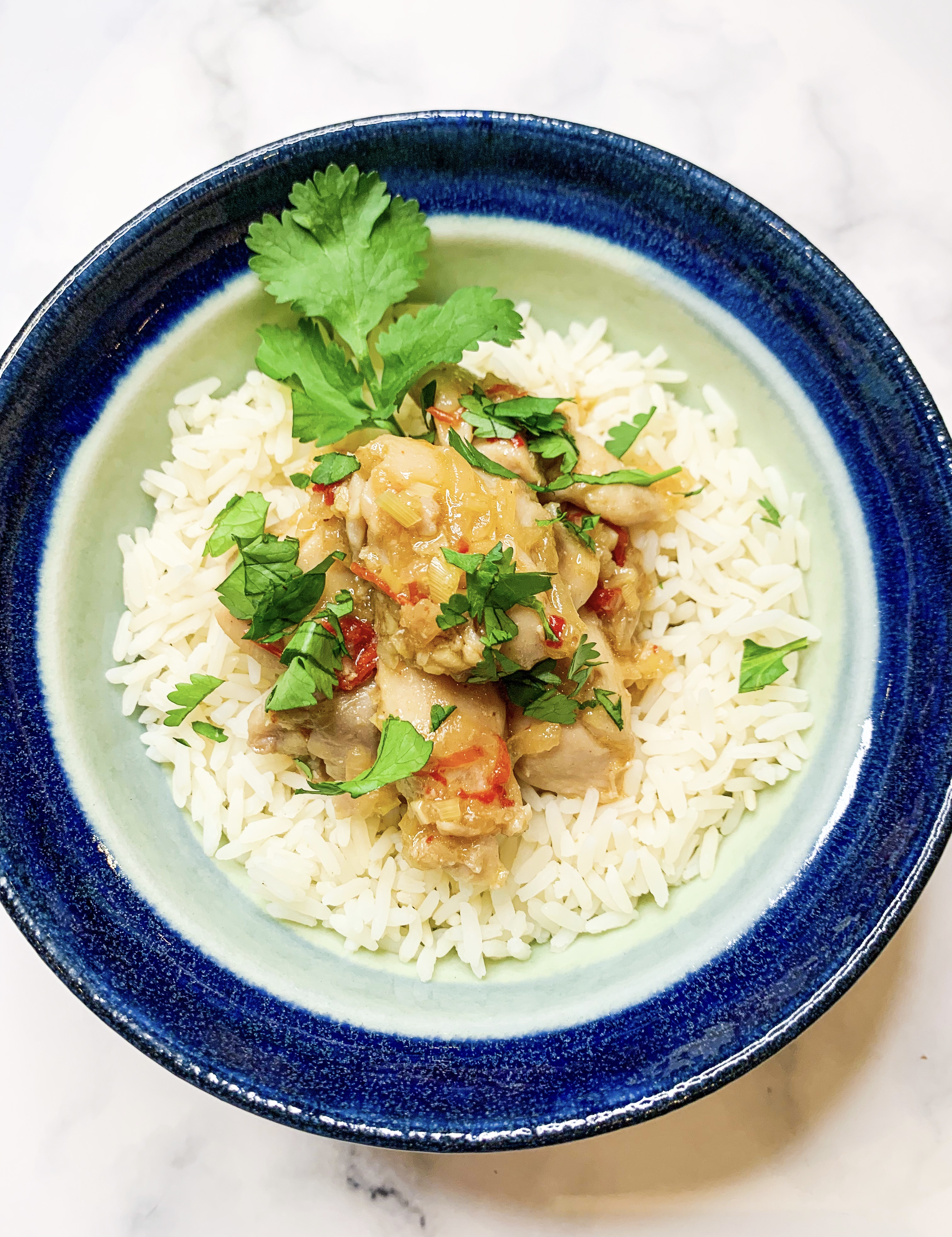
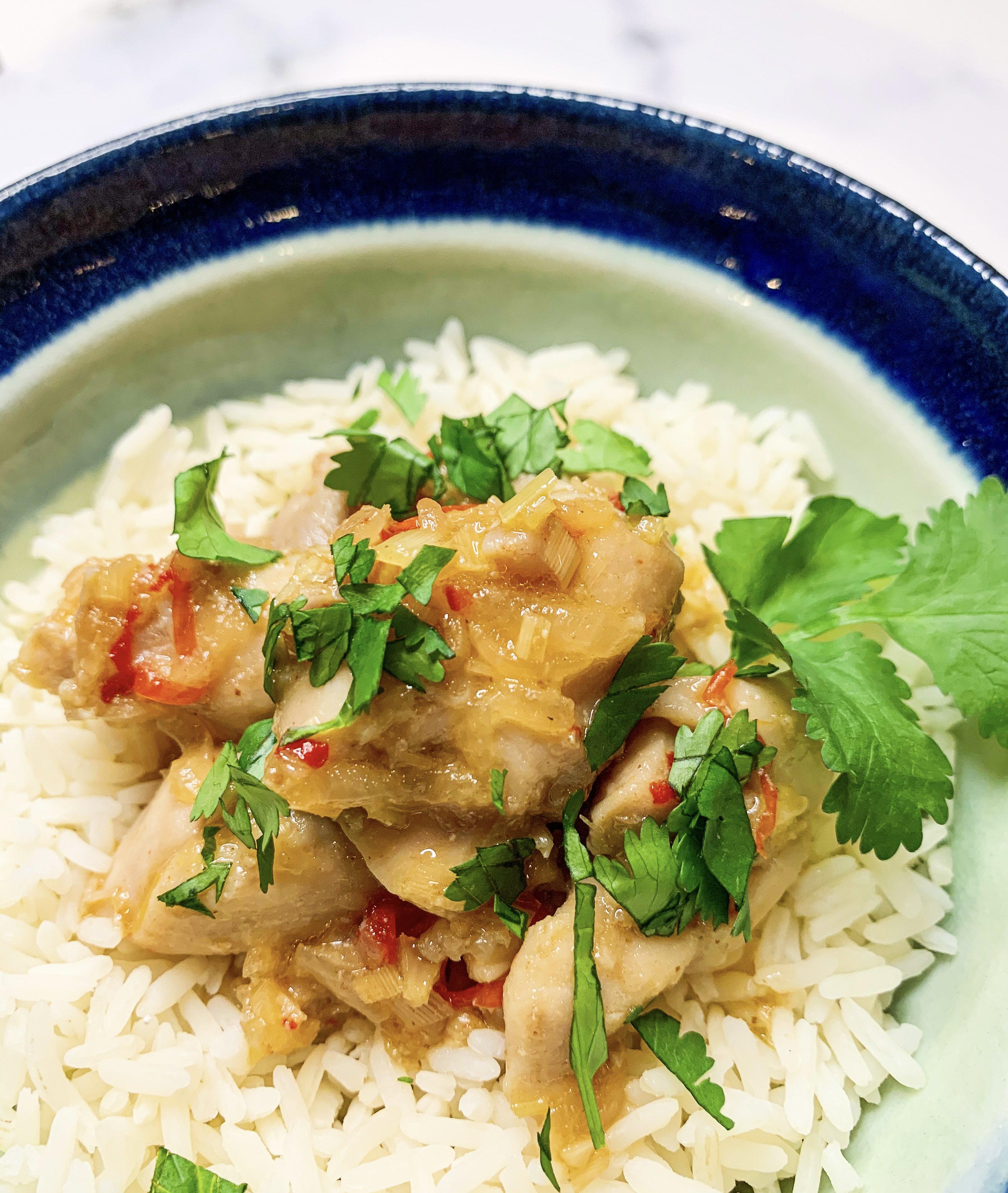
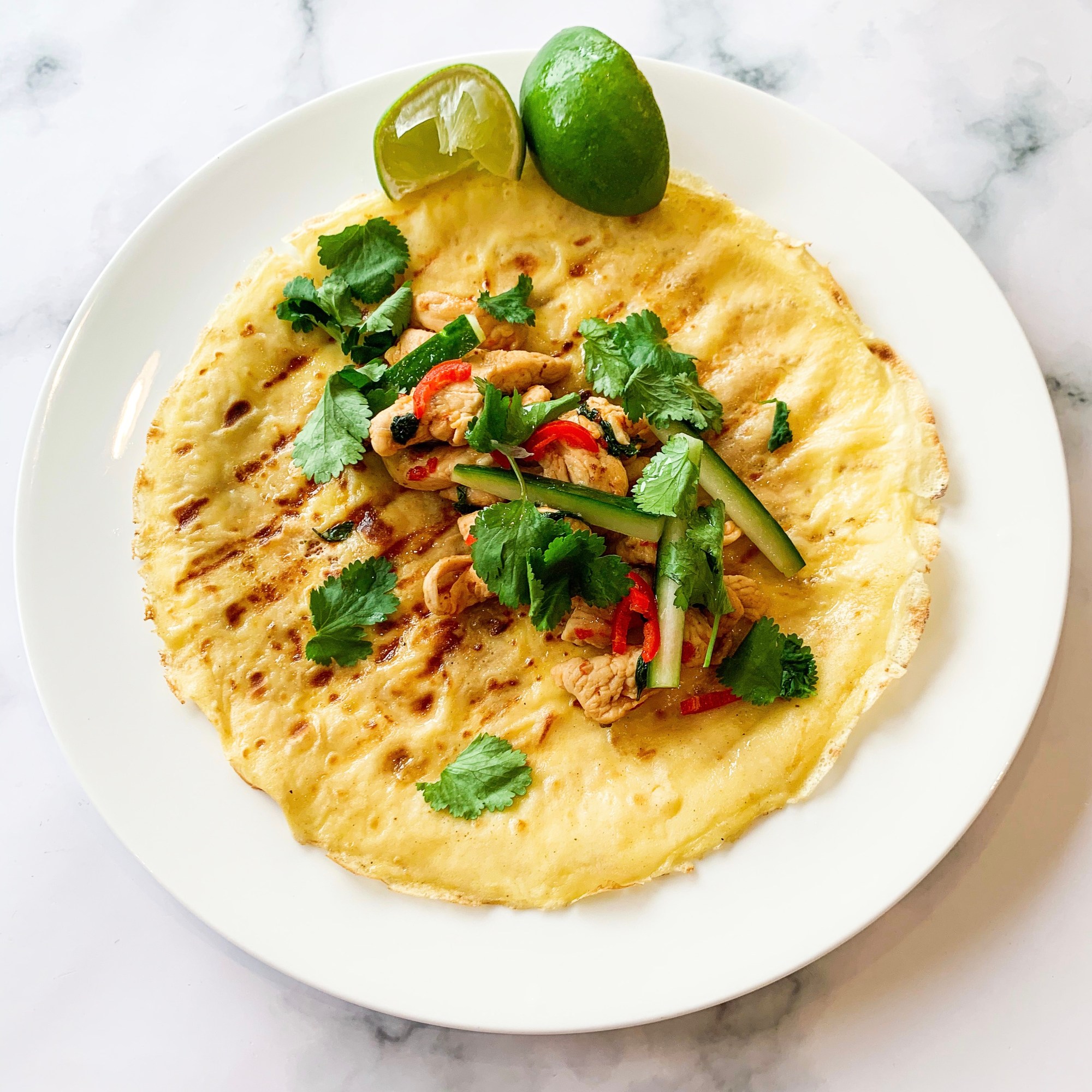
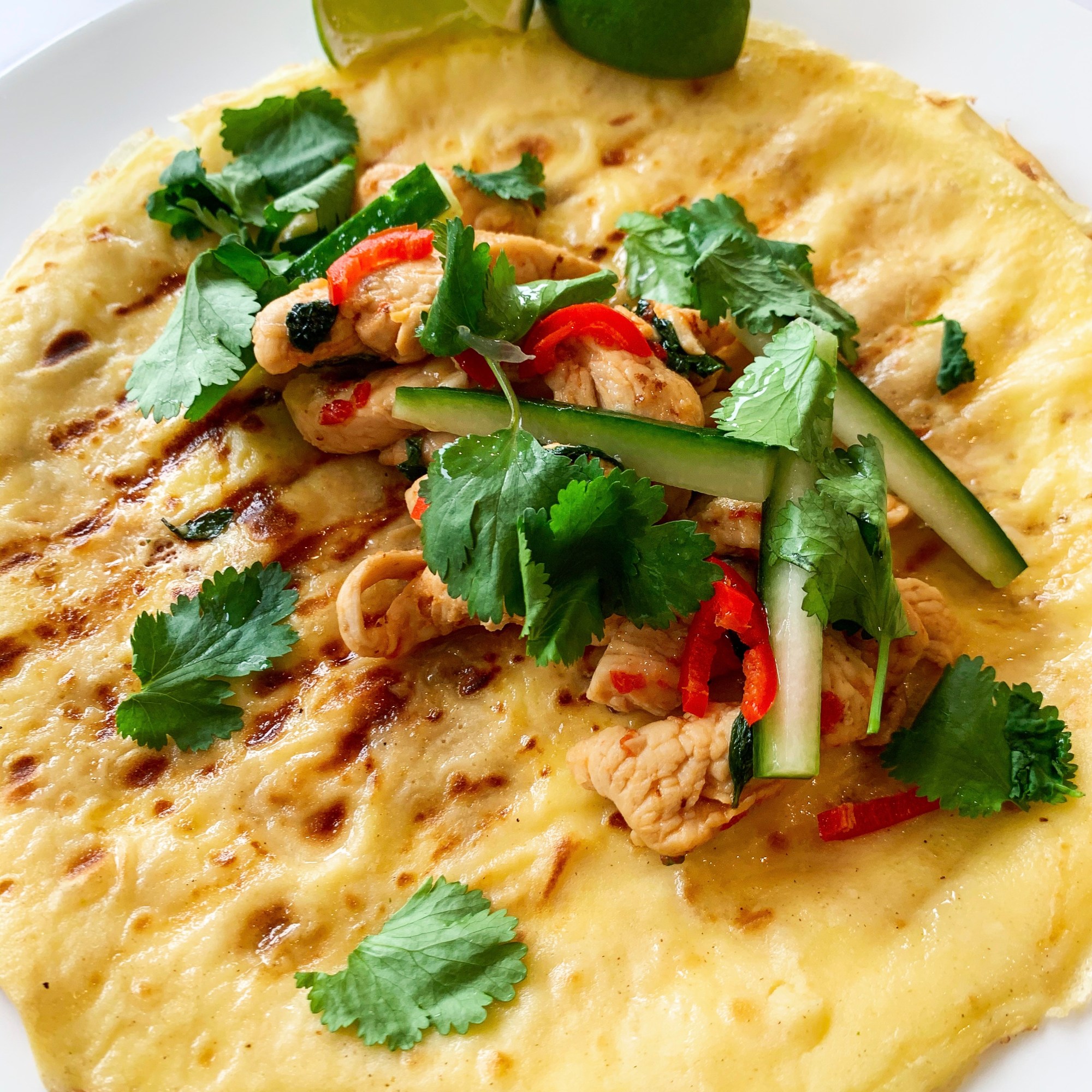
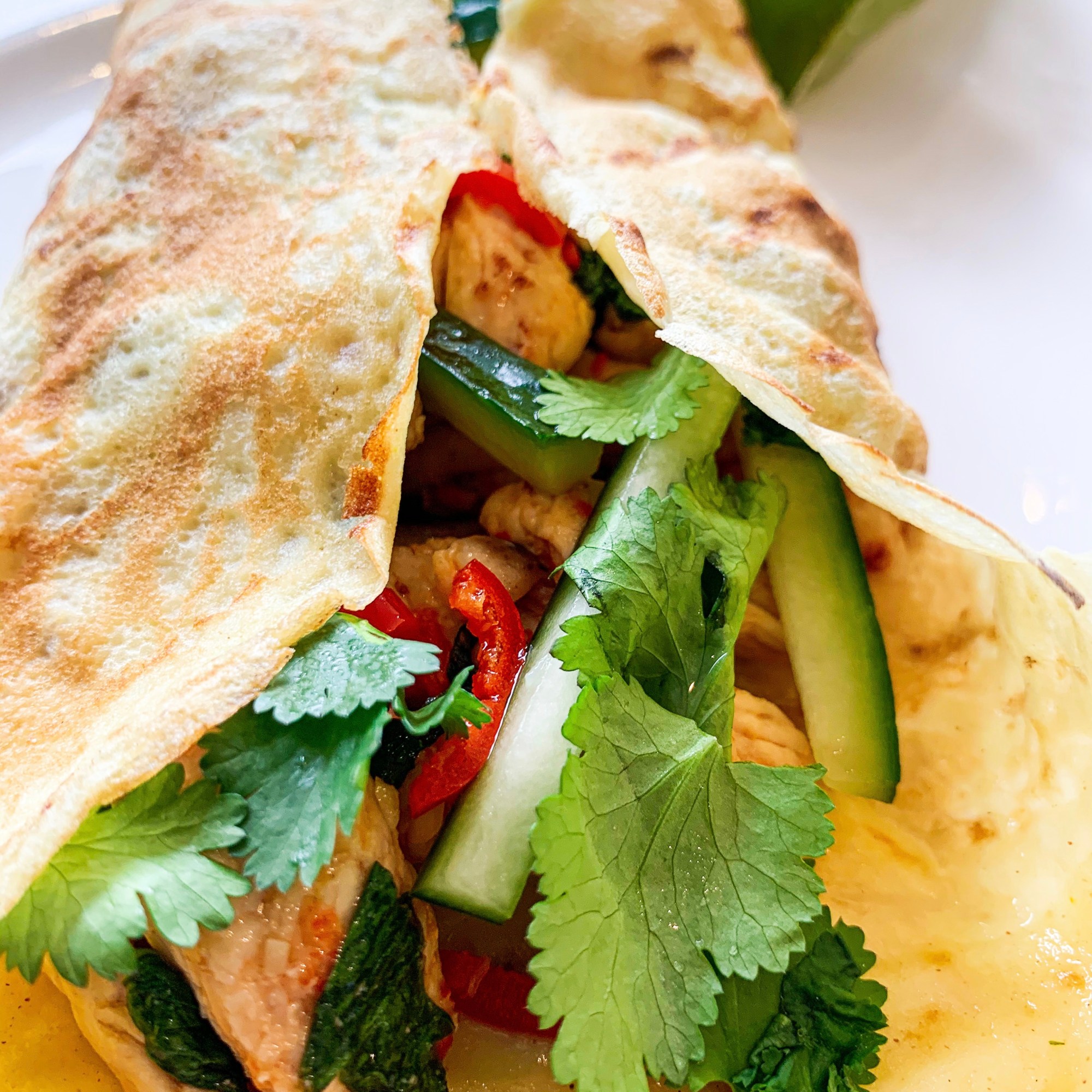
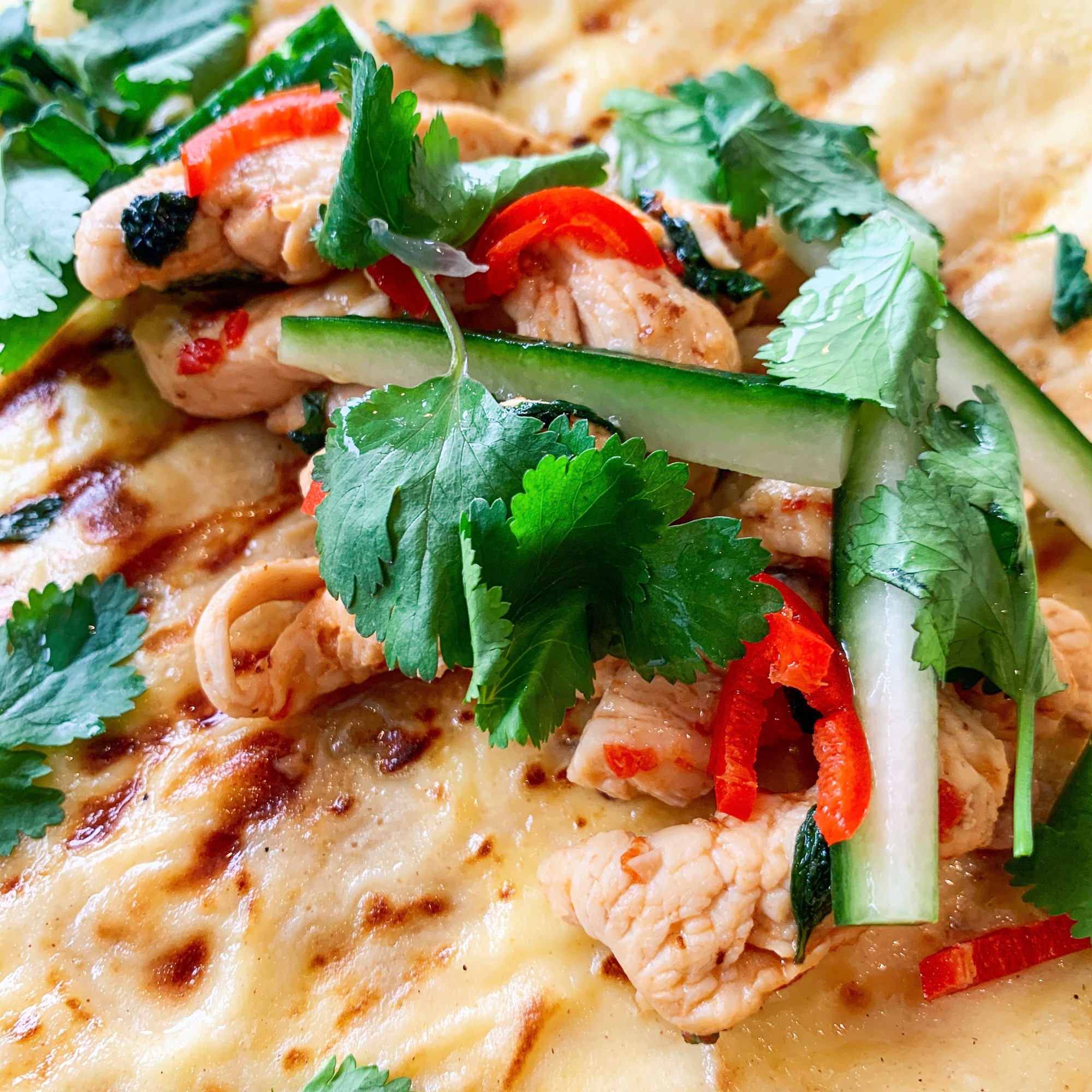
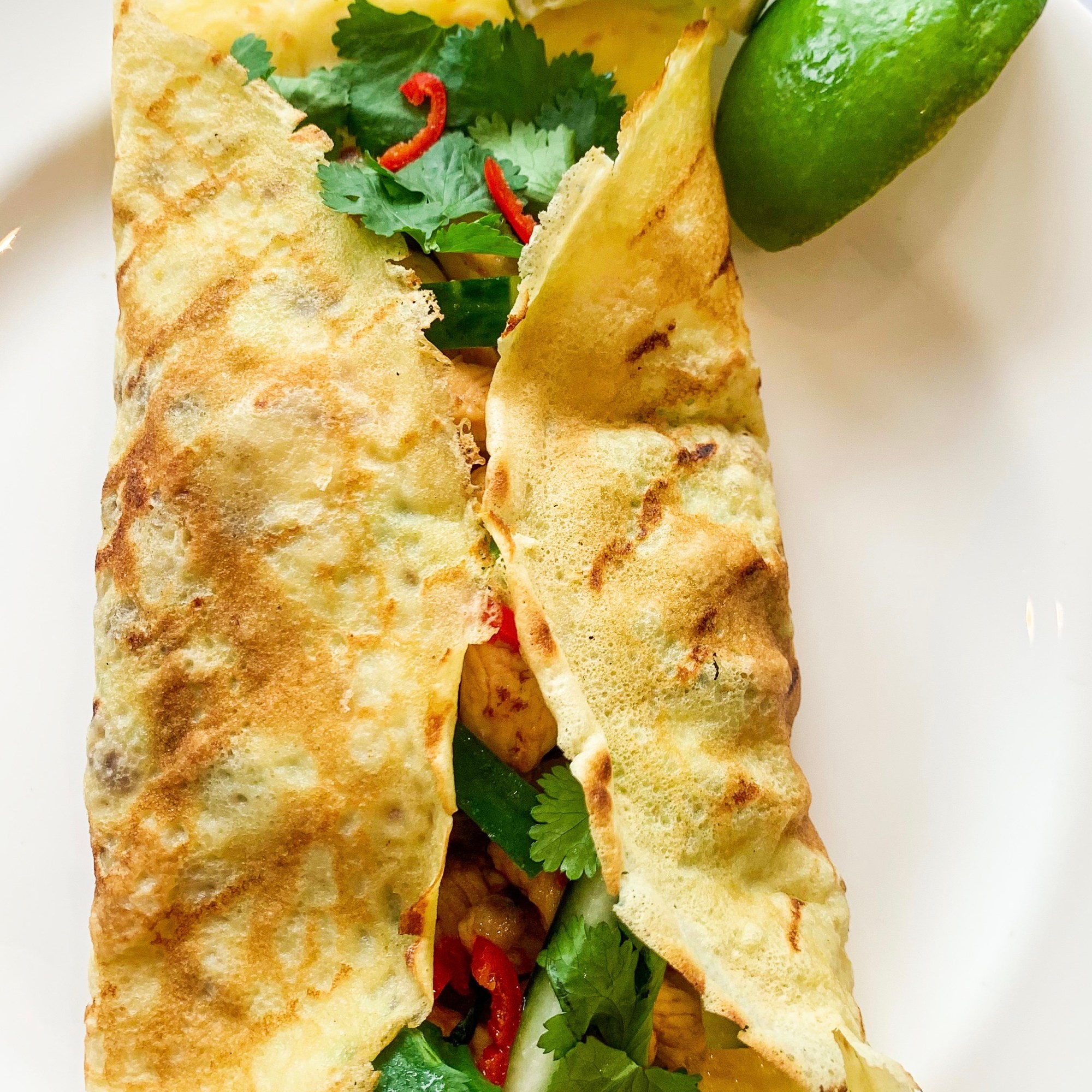
Vietnamese Lemon Grass and Chilli Chicken (Serves 4)
This is one of those recipes which is instantly comforting, it has the most wonderful combination of hot, sour, salty and sweet flavours. The fact that it is particularly quick and easy to cook makes it even more comforting – just remember to marinate it for at least 4 hours (or overnight) before cooking. Simply serve with rice. This is another fantastic recipe from Diana Henry’s cookbook, ‘A Bird in Hand’.
800g skinless boneless chicken thighs
2 lemon grass stalks
4 tablespoons fish sauce
2½ tablespoons caster sugar, to taste
2 red chillies, halved, deseeded and sliced
4 cloves garlic, crushed
2 tablespoons groundnut or sunflower oil
1 onion, halved and sliced thinly into half-moon shaped slices
125ml chicken stock
Juice of ½-1 lime, to taste
2 tablespoons chopped coriander leaves
½ tablespoon sesame seeds to serve (optional)
- Trim any fat from the chicken thighs and cut the flesh into bite-sized pieces.
- Remove the coarse outer layers from the lemon grass, trim the top and base, and chop the rest as finely as you can. Put half of this into a bowl with the fish sauce, caster sugar, the garlic, half the chillies and the chopped chicken. Mix together and cover with cling film and leave in the fridge to marinate for at least 4 hours – overnight is best. Bring to room temperature before cooking.
- Heat the oil in a large frying pan or wok set over a medium heat. Add the chicken and cook it on all sides, browning it well. Add the onion, give it a good stir before adding the remaining chillies and lemongrass, stir fry until the onion starts to soften, being careful not to burn the chillies and lemongrass. Pour in the stock then reduce the heat, cover and allow the chicken to cook for about five minutes.
- Remove the lid, increase the heat and continue to cook until the liquid is reduced. You want the mixture to be wetter than a stir-fry but not too saucy. Add the lime juice, then check the seasoning for the sweet-sour balance – adding more sugar or lime to taste.
- Sprinkle with the chopped coriander leaves and sesame seeds, serve with rice.
Menu Two
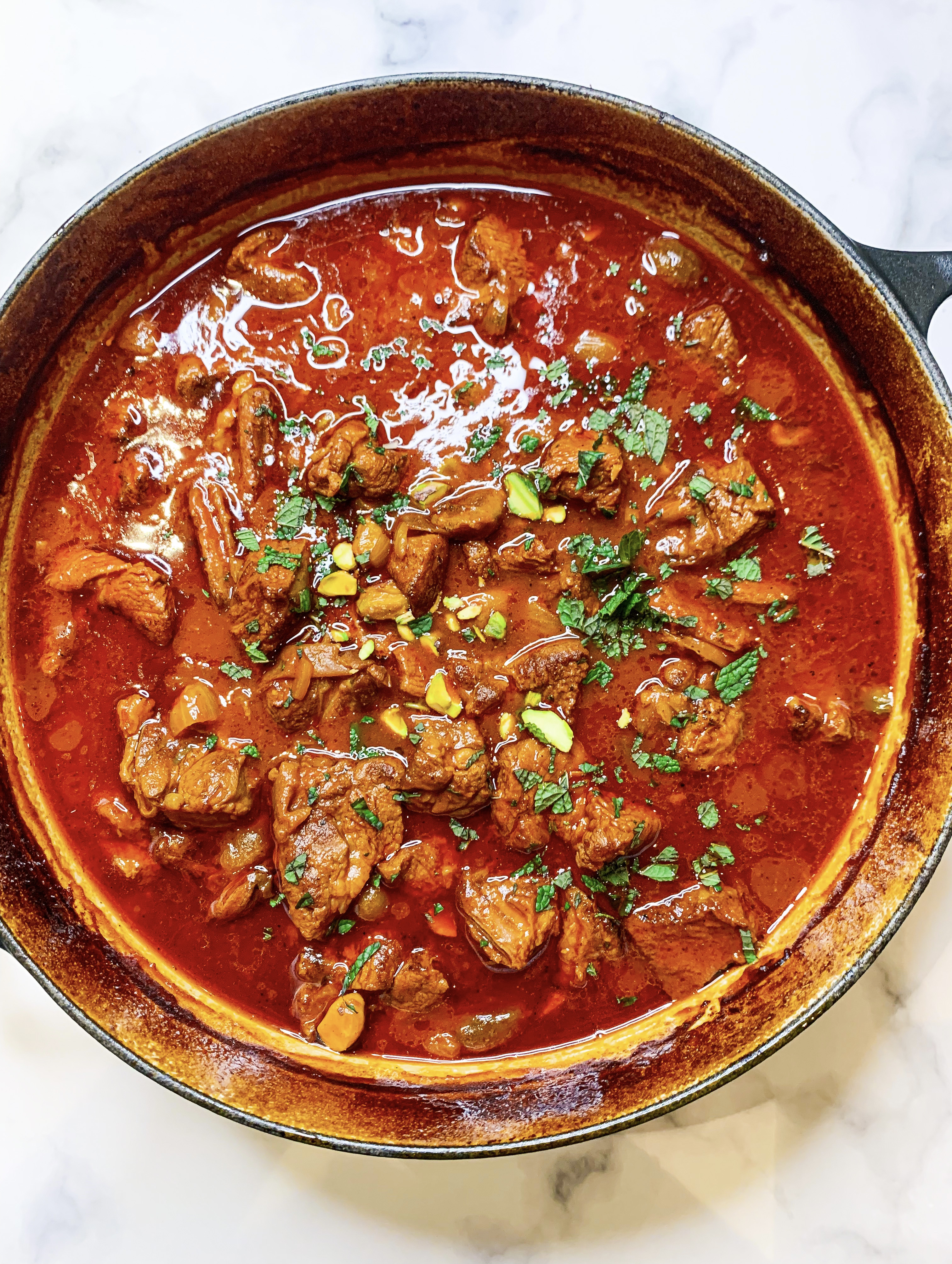
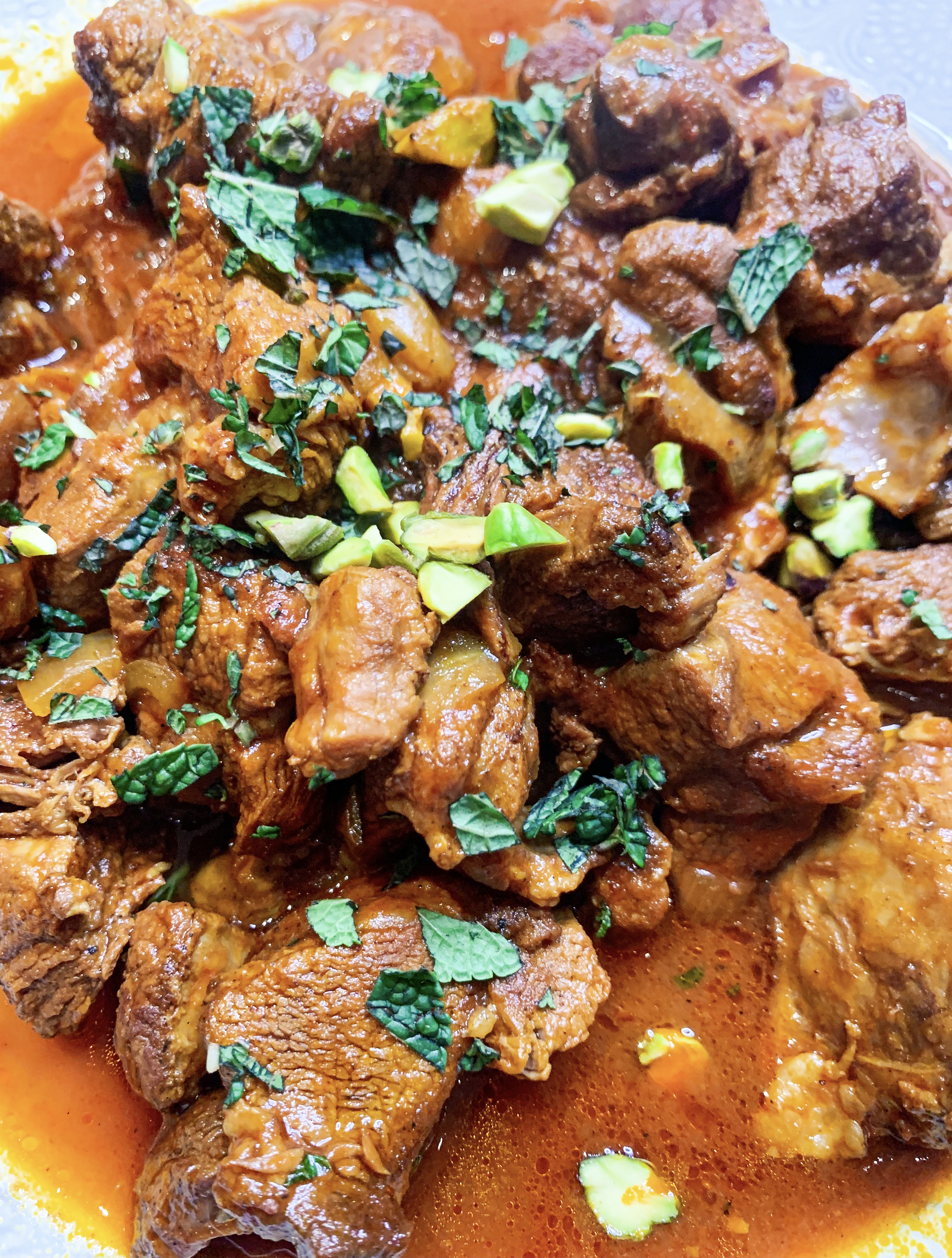
Lamb and Saffron Tagine (Serves 6 and the rest!)
This tagine is from Marcus Wareing’s cookbook ‘Marcus At Home’, I’m not sure how authentic it is, but it’s delicious; I find its sweetness immediately comforting. This generous recipe will no doubt give you leftovers, so if you make it at the weekend it will also give you a good week day dinner, plus it freezes well! Before you start cooking, remember to marinate the lamb for up to 48 hours beforehand, in this way the meat will be wonderfully flavoured. You can serve it simply with rice or, if you can tolerate gluten, couscous.
1.8 kg diced neck or shoulder of lamb
2 tablespoons vegetable oil
2 large onions, chopped
3 garlic cloves, crushed
2cm piece of fresh ginger, peeled and grated
800ml passata or tinned chopped tomatoes
750ml chicken stock
2 teaspoons saffron strands, soaked in 1 tablespoon warm water
200g dried dates, halved
100g golden sultanas
75g pistachio nuts, chopped
Sea salt and black pepper
Fresh Mint, chopped, to serve
For the Marinade:
2 teaspoons ground black pepper
2 teaspoons turmeric
2 teaspoons ground cinnamon
1½ teaspoons paprika
1 teaspoon cayenne pepper
2 tablespoons groundnut oil
- Up to 48 hours before or at least the night before cooking this dish, place the marinade spices in a large bowl and mix to combine. Add the oil and lamb, mix well to coat the lamb. Cover and leave in the fridge to marinate.
- Put a large casserole over a medium heat with 1 tablespoon of oil. Saute the onions for around 10 minutes until they are softened but not coloured. Add the garlic and ginger for the last 3-4 minutes.
- While the onions are cooking, heat the remaining tablespoon of oil in a large frying pan over a high heat. Add the lamb, in batches, and brown on all sides
- Pour around half the stock into the lamb to deglaze the pan and transfer this with all the lamb to the casserole with the onions.
- Add the passata or tomatoes, the remaining stock, saffron and soaking liquid, dates, sultanas and most of the pistachios (reserving some for decoration).
- Bring to the boil, cover with a lid and transfer to a preheated oven, 150’c fan, for 2½ hours until the meat is tender and the sauce is thickened. Serve sprinkled with chopped mint and the remaining chopped pistachios.
Menu Three
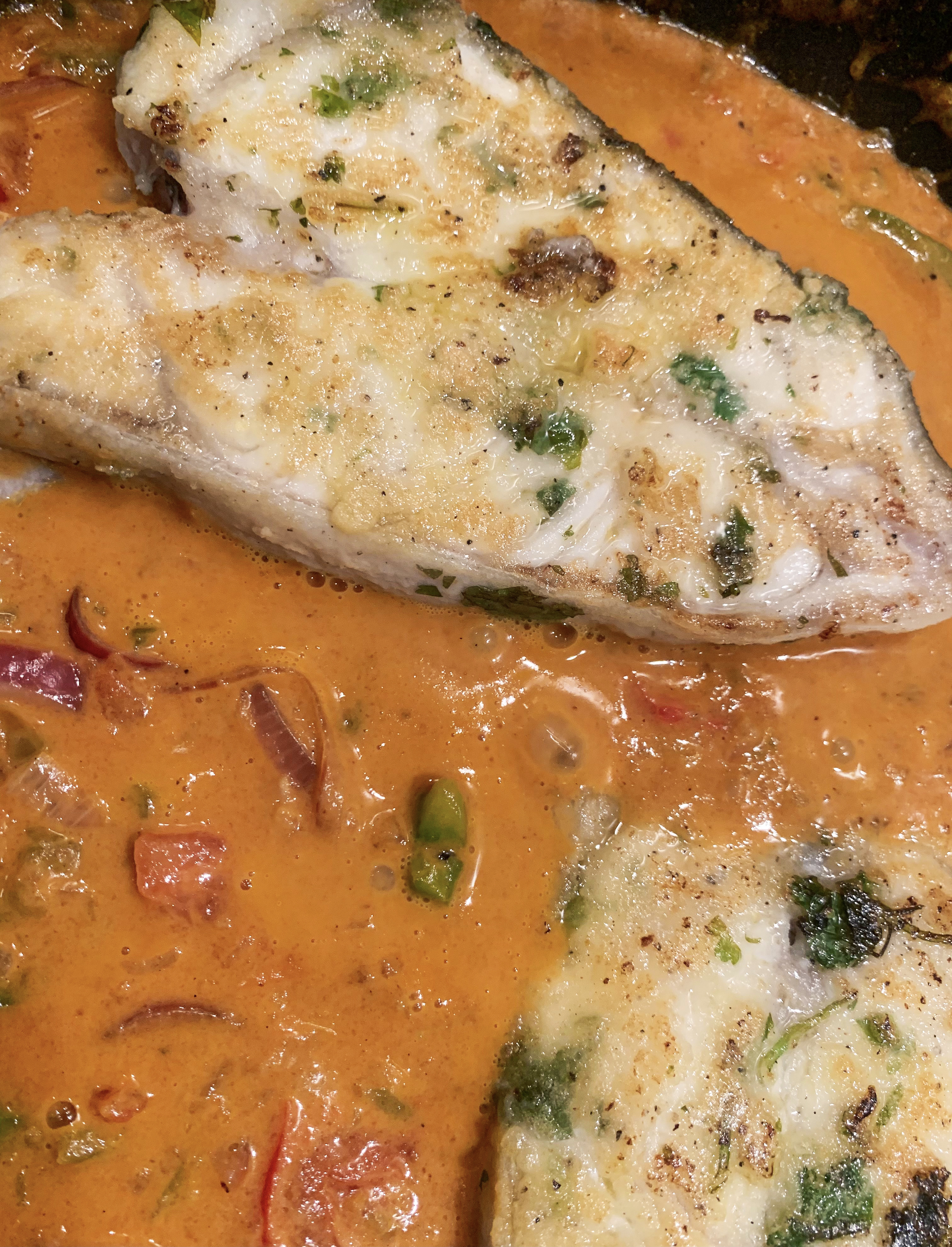
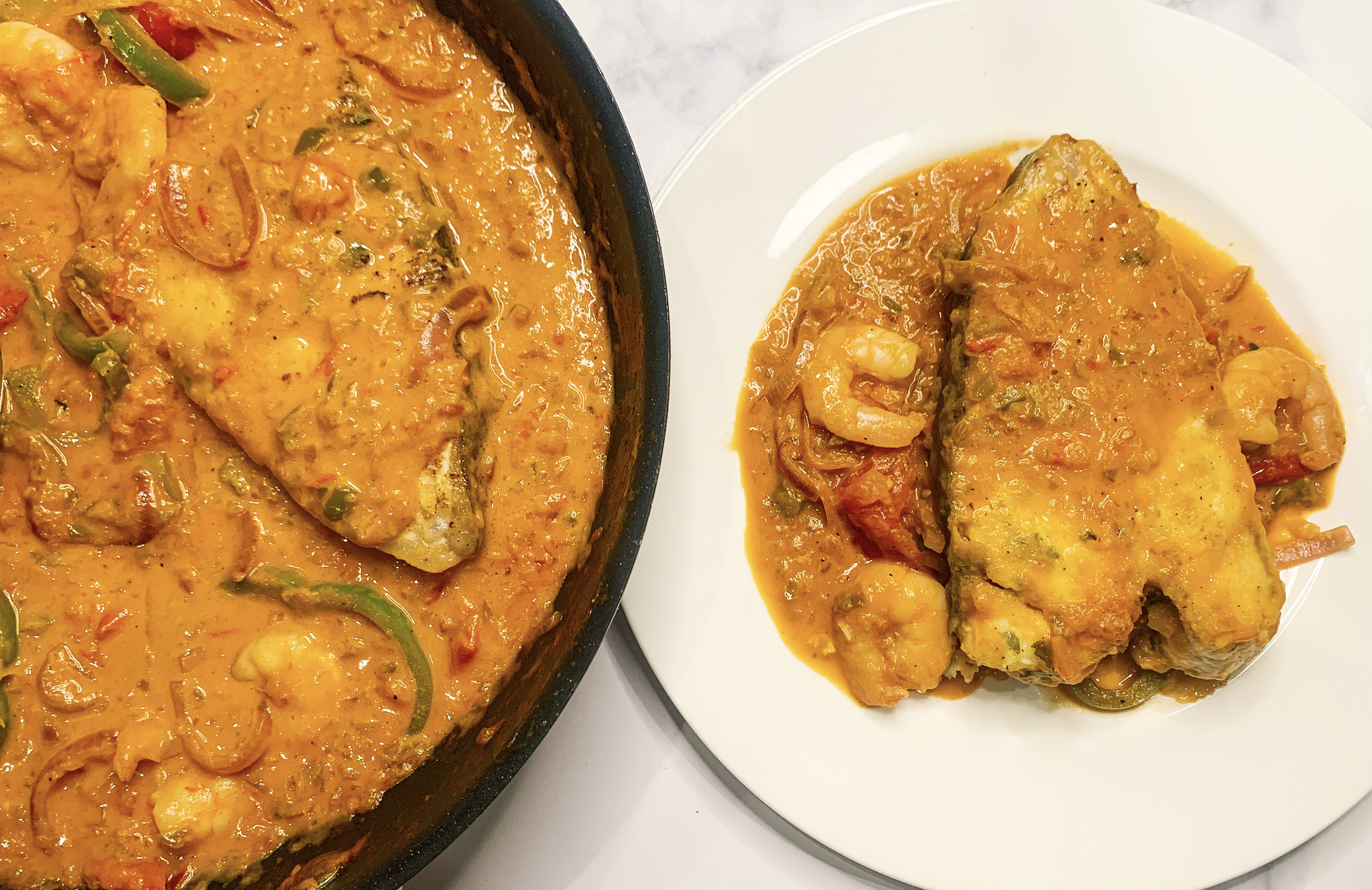
Brazilian Fish Stew (Moqueca)(Serves 4)
This is a recipe which I found in the cookbook ‘Bought, Borrowed and Stolen’ which has recipes from travelling chef, Allegra McEvedy. This fish stew, or Moqueca as it is known in Brazil, is apparently a speciality from the north of the country, it’s a vibrant dish enriched with coconut milk. It’s a simple recipe but you do need to remember to marinate the fish for at least an hour or longer before cooking. Simply serve with rice.
4 fish steaks on the bone such as Halibut
3 cloves of garlic, crushed with a big pinch of salt
4 limes
A large handful of coriander, chopped
120ml olive oil
3 red onions, sliced
1 tablespoon tomato purée
5 vine-ripened tomatoes, roughly chopped
2 green peppers, sliced
400ml tin of coconut milk
4 tablespoons plain flour, seasoned with salt and pepper (gluten-free if required)
300g tiger prawns (defrosted if frozen)
Sea salt and black pepper
(long grain rice to serve)
- Place the fish steaks in a dish. In a small bowl, combine the juice of two of the limes, the garlic, salt and pepper and most of the coriander (reserving a little to serve), then pour this over the fish and leave to marinate in the fridge for at least an hour.
- Put 60ml of the olive oil into a wider saucepan and fry two-thirds of the onion slices over a medium-high heat until softened and slightly caramelised – up to 10 minutes. Add half the tomatoes and half of the green peppers and cook for a few minutes, until softened.
- Stir in the tomato purée, coat everything well and then pour in half of the coconut milk. Simmer gently for 10 minutes, season the blitz to a thick puree in a food processor or with a stick blender.
- About 30 minutes before you want to eat, heat the remaining 60 ml of oil in wide frying pan over a high heat. Put the seasoned flour on a plate and pat both sides of the fish steaks in it. Lower the steaks into the hot oil and fry for 4-5 minutes on each side, until golden brown. Remove and put aside.
- Add another splash of oil, if needed, and tip in the remaining onions, peppers and tomatoes. Stir over a high heat for about 5 minutes, then add the blitzed tomato mixture and the rest of the coconut milk. Season and bring to a simmer
- Slide in the fish steaks into the sauce. Cover with a lid and cook for a further 4 minutes then add the prawns. Cook for a further 3-5 minutes until the prawns are pink. Taste and adjust the seasoning.
- Sprinkle with the remaining chopped coriander and serve with the remaining limes, quartered, and with rice on the side.
Menu Four
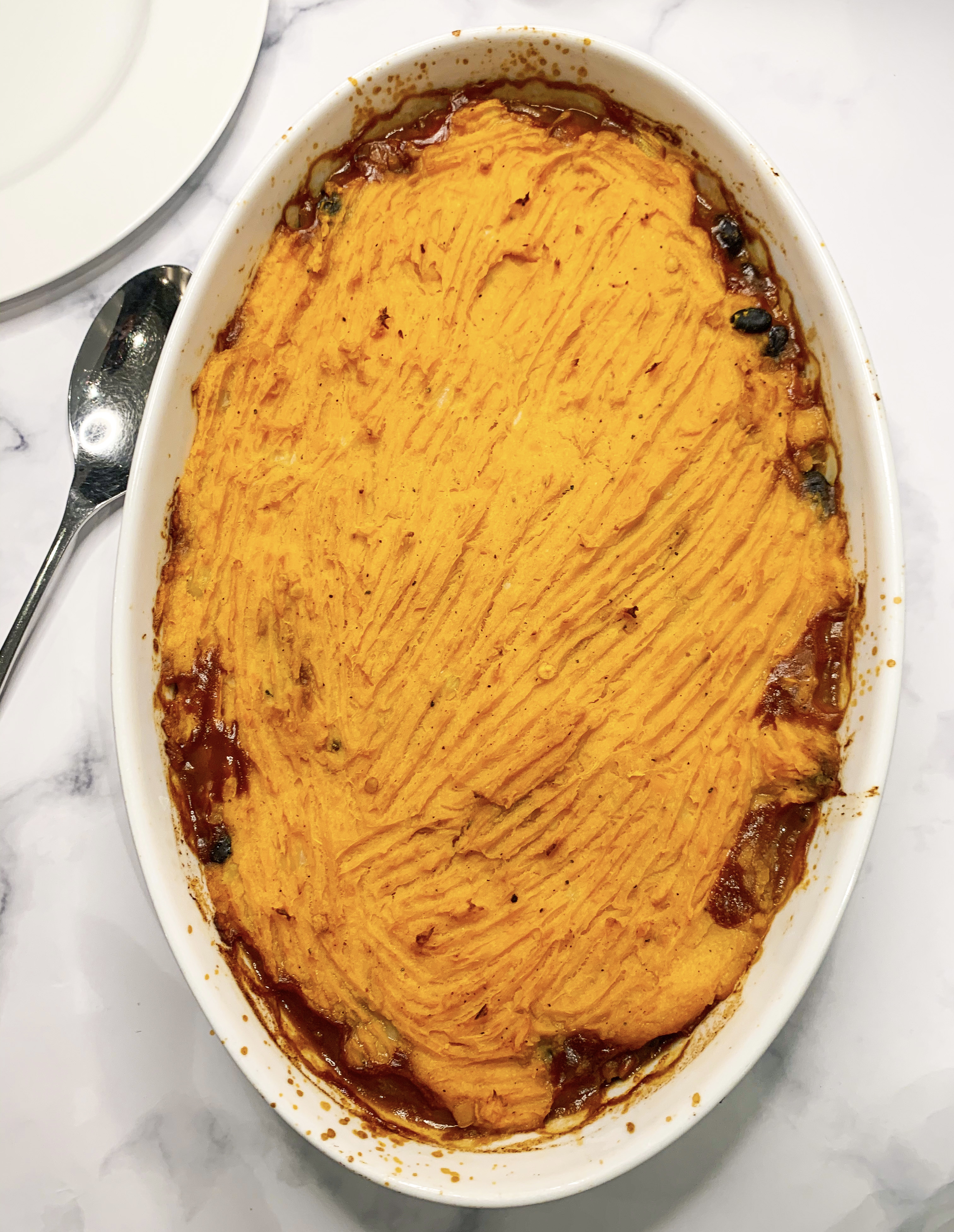
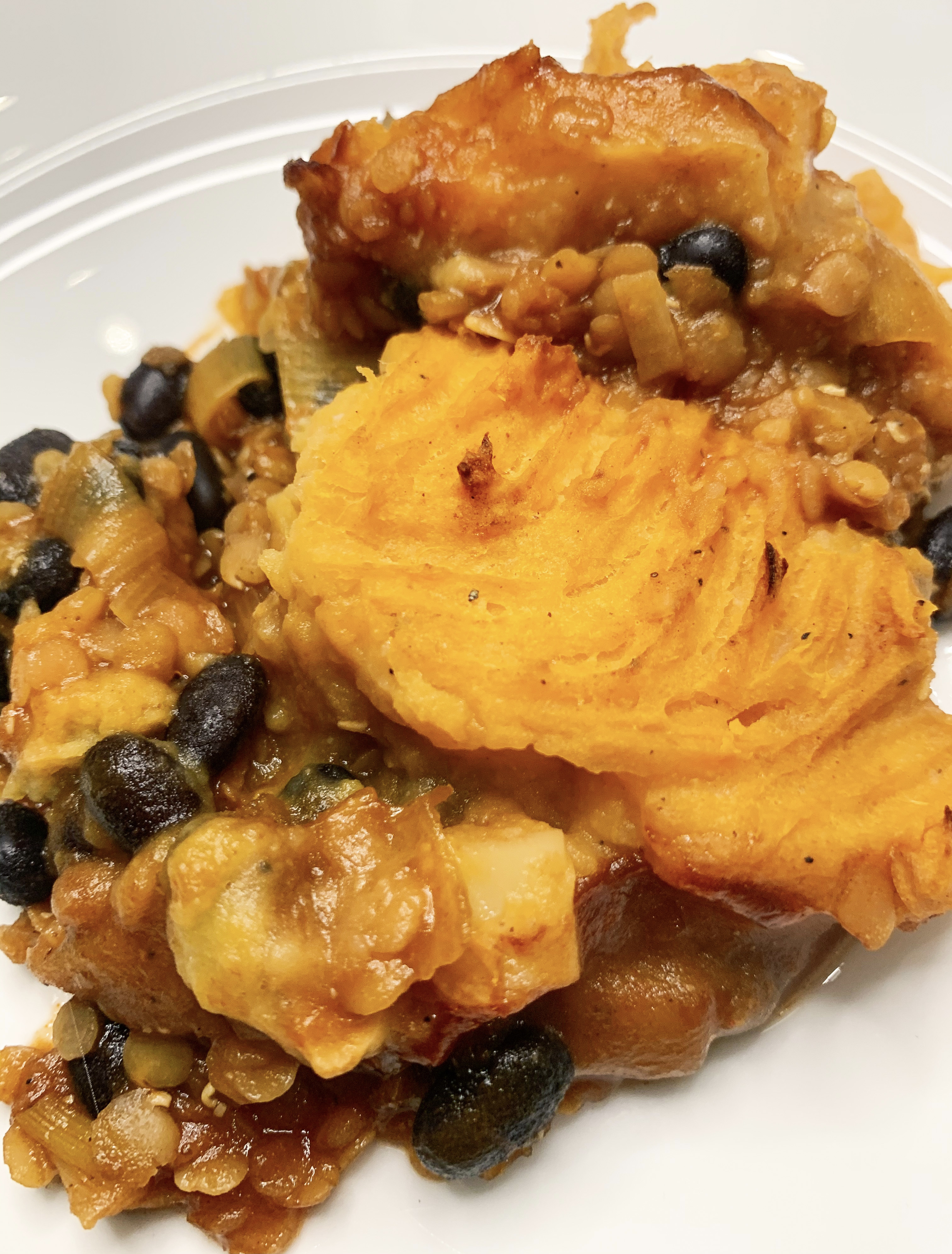
Bean and Lentil Bake with Sweet Potato Mash (Serves 4)
I will be the first to admit that, being keen meat eater, I often struggle to find vegetarian recipes which are really ‘fulfilling’. This recipe definitely ticks all my boxes, even though it is not just vegetarian but vegan! I followed the recipe to the letter and so for the cheesy mash I used ‘nutritional yeast’ which was a revelation. It manages to give the mash a subtle cheesy flavour, however if you’re not vegan you could easily substitute this for cheddar cheese and likewise the coconut yogurt for milk. The paprika in the filling gives the pie a subtle smoky flavour which combined with the cheesy mash is delicious.
For the topping:
1 large sweet potato
1 large white potato
2 tablespoons coconut yogurt or milk (see note above)
3 tablespoons nutritional yeast or 6 tablespoons grated cheddar cheese (see note above)
Sea salt and black pepper
For the Filling:
1 leek
1 tablespoon olive oil
2 cloves of garlic, sliced
1 tablespoon smoked paprika
2 tablespoons tomato purée
150g red lentils, rinsed
750ml vegetable stock
1 tablespoon balsamic vinegar
400g tin black beans, drained and rinsed
Sea salt and black pepper
- Peel and chop the potatoes into small cubes. Add them to a pan of boiling water with a good pinch of salt and cook on a high simmer for about 10 minutes until soft. Drain.
- Mash the drained potatoes with the other topping ingredients, seasoning well with salt and pepper. Set aside.
- To make the filling, roughly chop the leek, add to a large pan with the oil and fry on a medium heat for 5-6 minutes until soft.
- Add the garlic, fry for a another minute then add the smoked paprika and tomato purée, stir well for another minute or so.
- Add the lentils, vegetable stock and balsamic vinegar. Bring to the boil then turn down the heat and simmer for 15 minutes. Add a bit more water if needed.
- Now add the black beans and season with salt and pepper, stir well.
- Spread the lentil mix evenly over the base of a baking dish. Top with the mash, spreading it out to cover the lentil mix.
- Bake in a preheated oven, 180’c fan, for about 20 minutes until the potato top is crispy.




 Menu Mistress