November 2025

As we delve into the winter months, I rather like the comfort that my kitchen offers. On a gloomy day, there is nothing better than being at home. And the kitchen is normally the warmest and most welcoming place to be! Just a few months ago, when the sun was shining and it was sweltering, slow-cooking was definitely off the agenda. However, now I can happily while away a few hours amongst my pots and pans with the oven turned up and the hob sizzling. And so, I thought that this month I’d share a couple of recipes which require a little more cooking time. They will happily bubble away without too much attention, allowing you to relax in the comfort of your kitchen whilst watching the rain outside!..

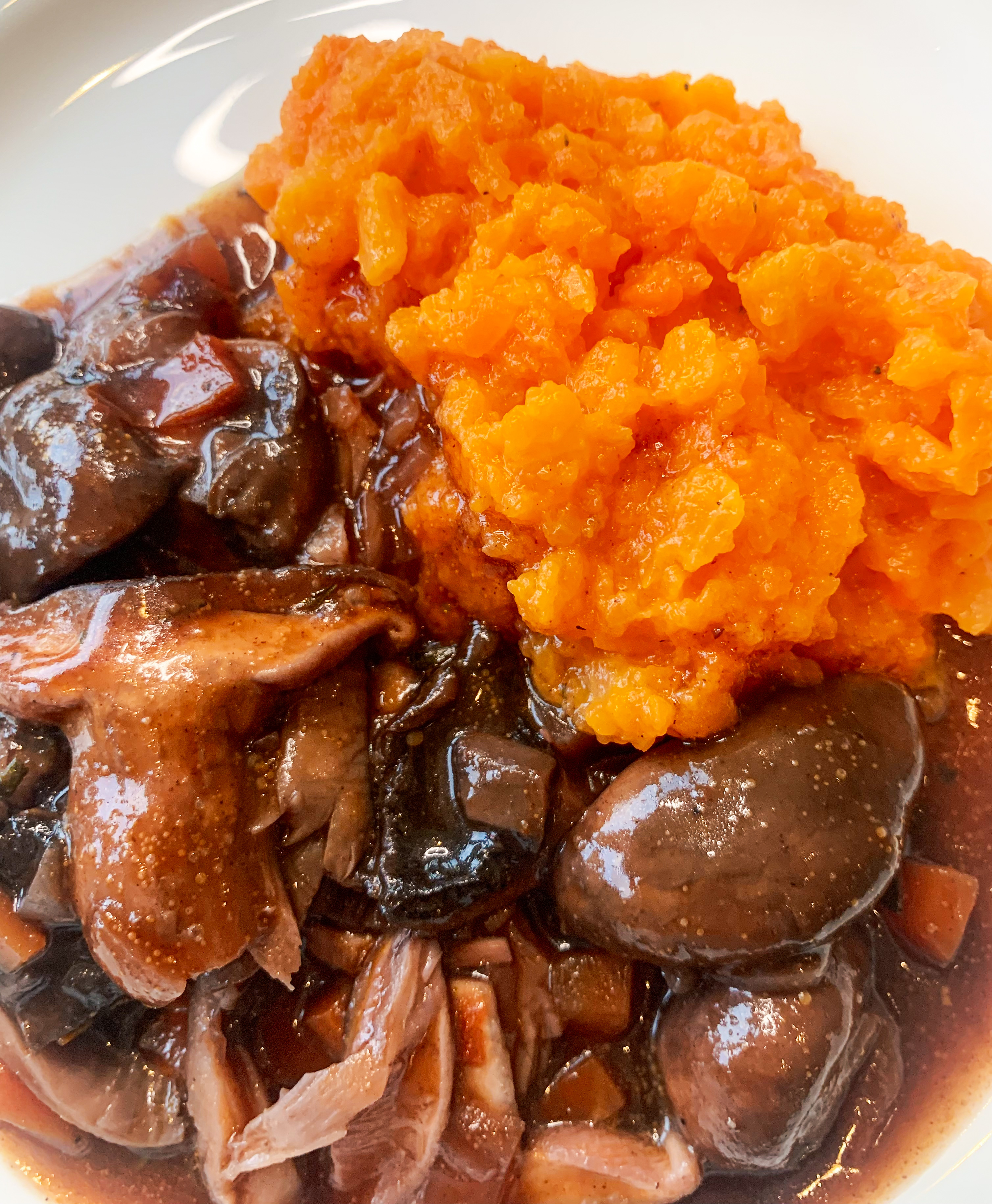
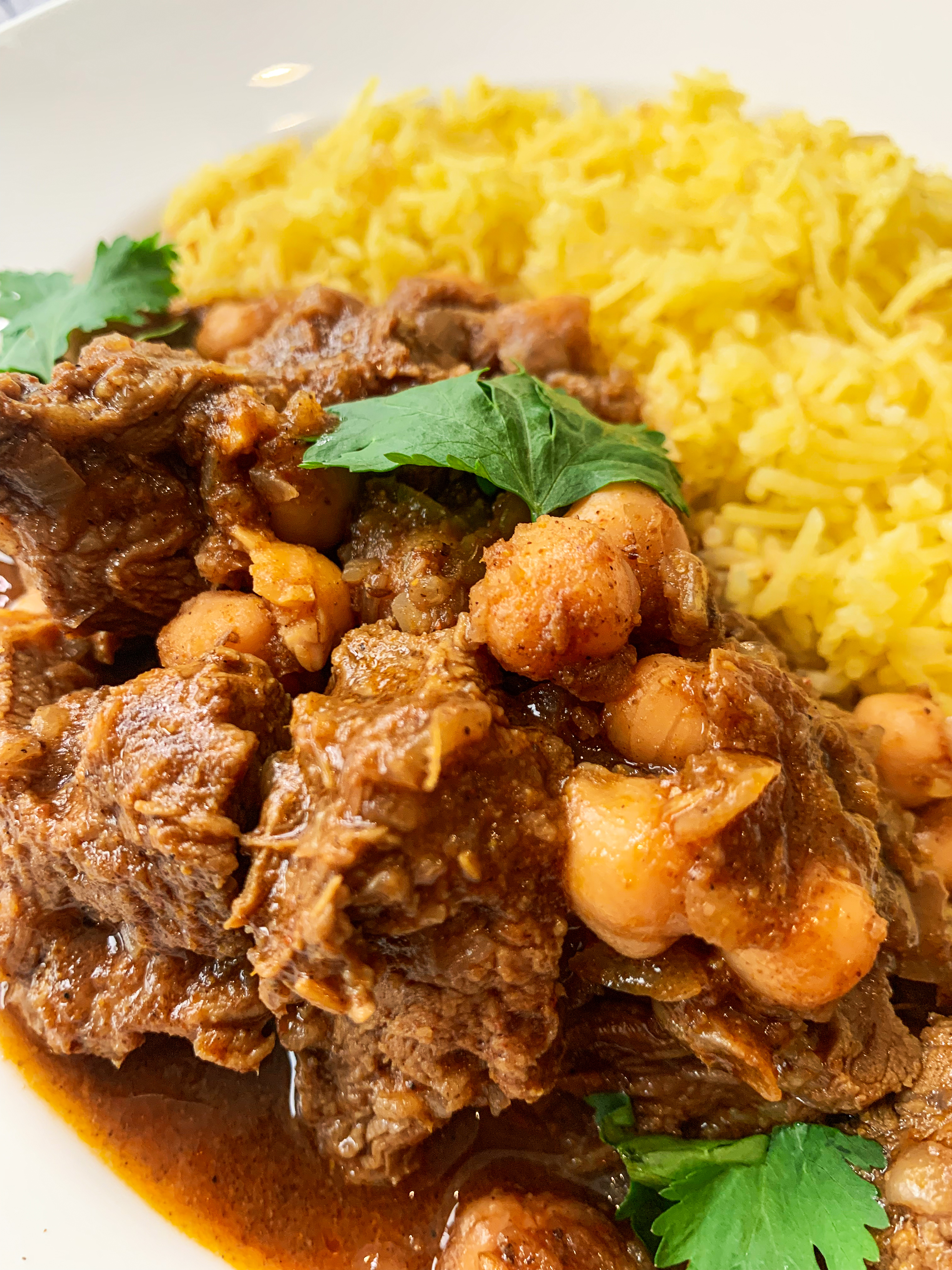
Menu One, Mushroom Bourguignon, is a very comforting vegetarian dish from Nigel Slater. The dish’s robust juices, with hints of tomato, rosemary and red wine, go especially well with the sweetness of mashed carrots. Therefore, I’m also sharing a recipe for a carrot mash that has the unusual addition of Pernod which gives it a subtle ‘aniseed-lift’. Menu Two is from the cookbook, ‘Tom Kerridge Cooks Britain’. It’s a ‘Lamb & Chickpea Curry’ that’s packed with spice and flavour, and is likely to become a family favourite, particularly as most of the spices will be at hand in your cupboard.

With these recipes, November promises to be a very gratifying month! See you next week for the Tuesday Treat!..

Menu One

Mushroom Bourguignon (with Mashed Carrots) (Serves 4-6)
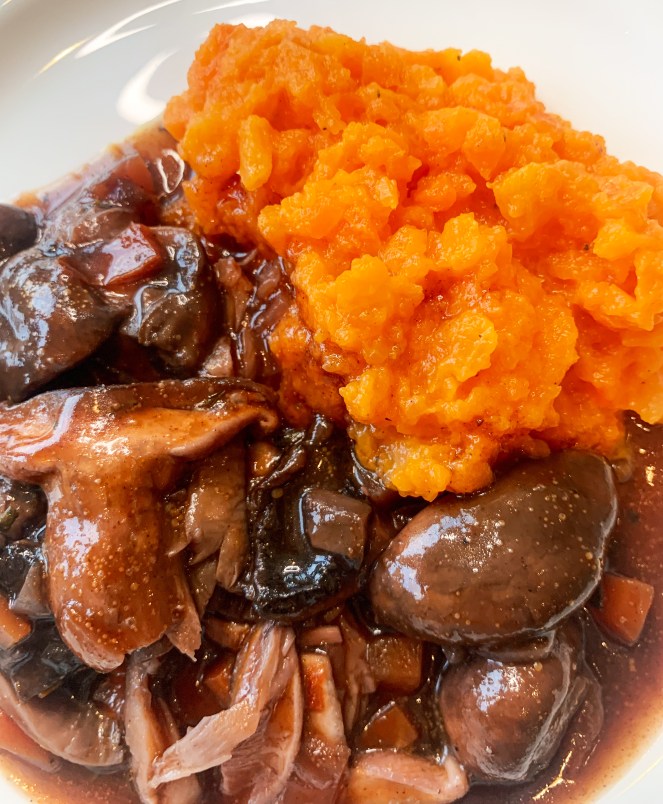
This Nigel Slater recipe is a very comforting vegetarian dish. In the recipe below, I’ve used a mix of portobello, chestnut, oyster and shitake mushrooms, however, you can use whatever is at hand. The dish’s robust juices, with hints of tomato, rosemary and red wine, go particularly well with the sweetness of mashed carrots (recipe below).

2 onions, roughly chopped

3 tablespoons olive oil

3 cloves of garlic, finely sliced

2 small carrots, cut into small chunks

6 small shallots, peeled (halved if large)

6 sprigs thyme

2 sprigs rosemary

3 bay leaves

2 teaspoons coriander seeds

250g Portobello mushrooms, quartered

200g chestnut mushrooms, halved

3 heaped tablespoons tomato purée

2 large tomatoes, roughly chopped

2 tablespoons plain flour (gluten-free if required)

500ml red wine

500ml vegetable stock

150g oyster mushrooms, sliced

150g shitake mushrooms, sliced

2 teaspoons balsamic vinegar

Sea salt and black pepper

  1. Warm the olive oil in a deep casserole and add the chopped onions. Let them cook for a good 15 minutes until they are soft and pale gold. Add the garlic, cook for a minute or two before adding the carrots and shallots.
  2. Meanwhile, remove the leaves from the thyme and rosemary and chop them finely. Then, add these, along with the bay leaves and coriander seeds to the onions, and cook for a further minute.
  3. Stir in the Portobello and chestnut mushrooms and continue cooking until the mushrooms have darkened a little.
  4. Stir in the tomato purée, continue to cook for a minute or two, then add the tomatoes.
  5. Cook for 10 minutes, then sprinkle with the flour and mix well. Pour in the red wine, bubble for a couple of minutes, then pour in the vegetable stock and bring to the boil. Season with salt and pepper, then turn the heat down and simmer for 25 minutes.
  6. Finally, add the sliced mushrooms to the pot, along with the balsamic vinegar. Lower the heat and leave to simmer for a further 10 minutes.
  7. Serve with mashed carrots (recipe below).

Mashed Carrots with Pernod (Serves 4)

Such a simple recipe, the aniseed from the Pernod gives the carrots a subtle lift!

650g carrots, peeled and sliced

30g butter

1-2 tablespoons Pernod

Sea salt and black pepper

  1. Boil the carrots for 20 mins until tender, then drain and return to the pan.
  2. Mash with the butter, Pernod and plenty of seasoning until fairly smooth and most of the moisture has evaporated.

Menu Two

Lamb & Chickpea Curry (Serve 4)
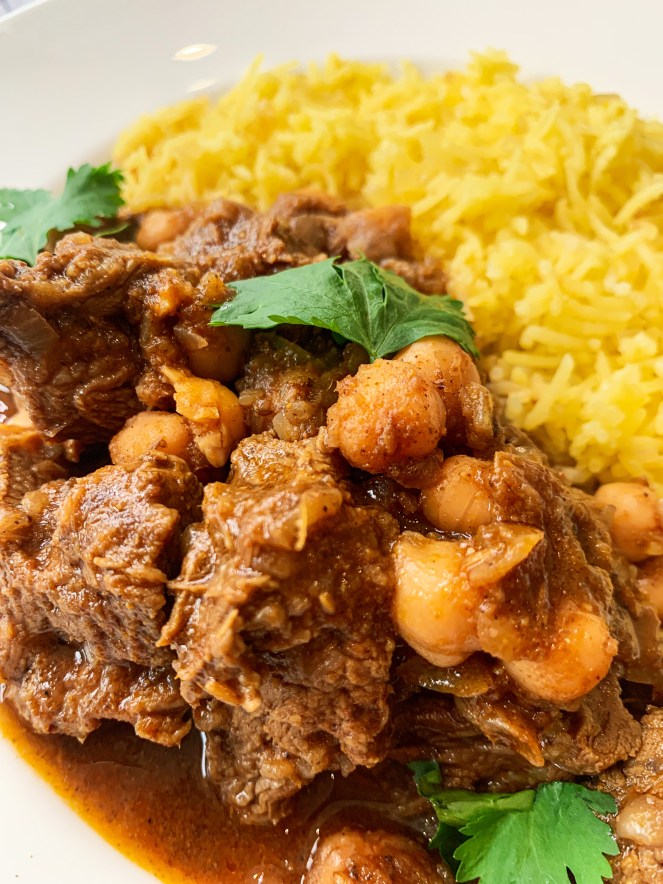
This dish is packed with spice and flavour. It’s simple to make and particularly delicious with the surprise addition of chickpeas – thank you to the ‘Tom Kerridge Cooks Britain’ cookbook for this recipe! Serve with saffron rice (recipe below) or plain rice.

1 kg lamb neck fillet

3 tablespoons vegetable oil

2 large onions, finely diced

4 garlic cloves, finely grated

7.5cm piece of ginger, finely grated

1 cinnamon stick

5 cardamom pods

5 cloves

1 teaspoon cumin seeds

1 tablespoon ground coriander

2 tablespoons garam masala

1 teaspoon Kashmiri chilli powder

2 teaspoons salt

2 tablespoons tomato purée

400g tin chickpeas, drained

Coriander leaves, to finish

  1. Cut the lamb into 4cm pieces and set aside
  2. Place a large casserole over a medium-high heat and add the oil. When hot, add the onions and cook, stirring often, for 8-10 minutes until softened and turning a deep golden brown.
  3. Reduce the heat a little and add the garlic and ginger to the pan. Stir over the heat for 2 minutes, then add the whole and ground spices, and the salt. Cook, stirring, for a further 2 minutes, then add the tomato purée. Stir well and cook for another 2 minutes.
  4. Now add the lamb, along with 250ml water and bring to a simmer. Reduce the heat and put the lid on. Cook at a gentle simmer for 15 minutes. Remove the lid and give the curry a good stir. Cook, uncovered, for a further 30 minutes, stirring every 10 minutes or so.
  5. Tip in the chickpeas, stir and cook for another 20 -30 minutes, or until the lamb is meltingly tender. Taste and check the seasoning and adjust as necessary.
  6. Serve the curry scattered with coriander, with rice or a warm naan bread on the side.

Saffron Rice (Serves 4)

A pinch of saffron strands

200g basmati rice

2 tablespoons olive oil

1 small onion, finely diced

1 garlic clove, crushed

350ml chicken stock or water

1 bay leaf

1 small lime, zested

Sea salt

  1. Add the saffron threads to a mortar and pestle, and grind into a fine powder. Mix with 3 tablespoons of water to draw out colour and flavour (this process is called blooming). Set aside.
  2. Heat the olive oil in a pan over a medium-high heat. When the oil shimmers, add the diced onion. Cook, stirring, until the onion softens. Add the crushed garlic and cook for 30 seconds.
  3. Add the rice to the pan and toss until well coated with the onion mixture. Add the bloomed saffron mixture and mix well.
  4. Add the stock or water, bay leaf and lime zest. Give the mixture a good stir, then bring the to the boil. Once boiling, turn the heat to low and cover the pot. Cook until the rice has absorbed the water, about 15 to 20 minutes.
  5. Turn the heat off. Leave the rice, covered and undisturbed for 5 more minutes. Then remove the bay leaf, fluff the rice with a fork and serve.
October 2025

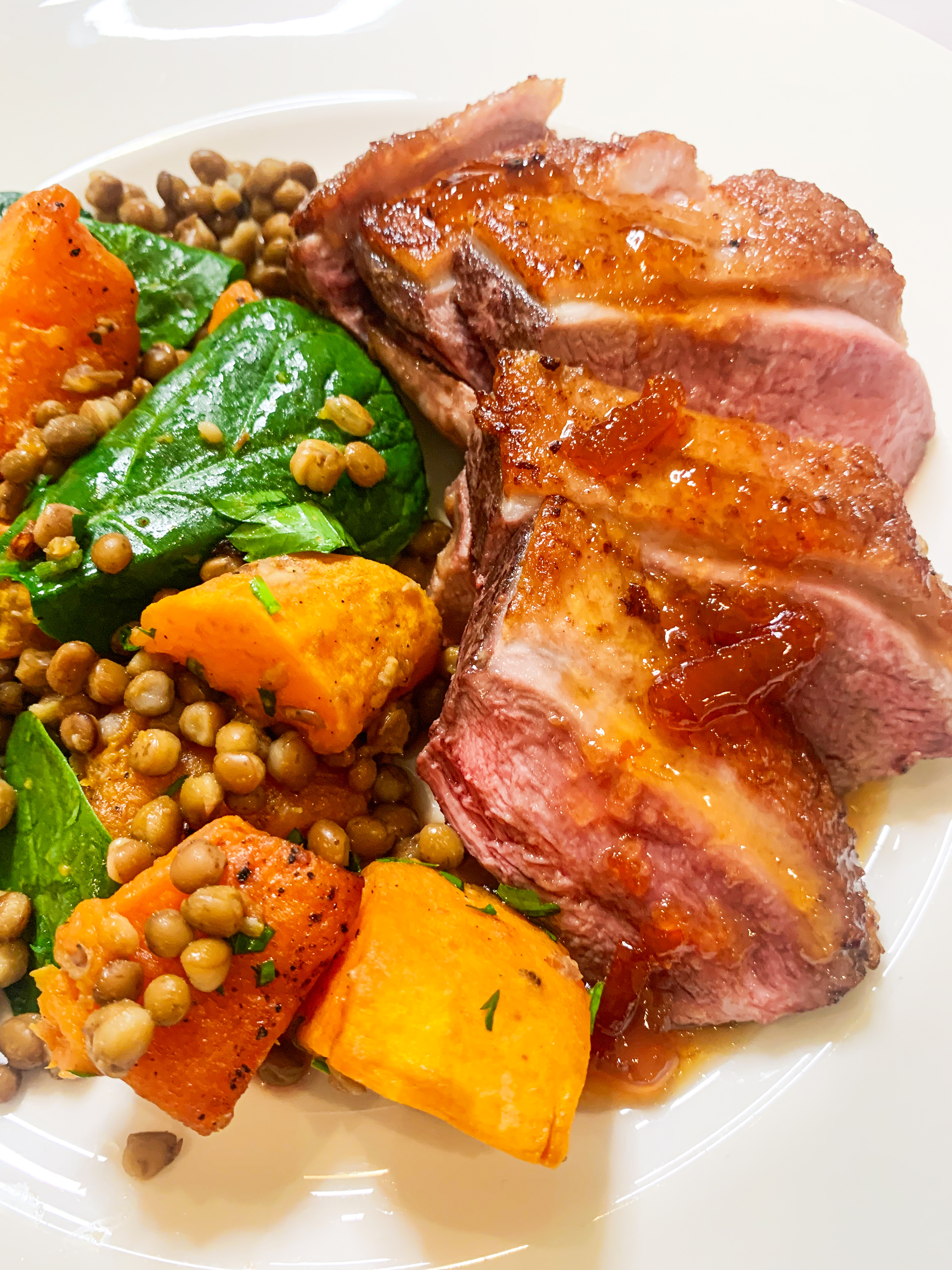
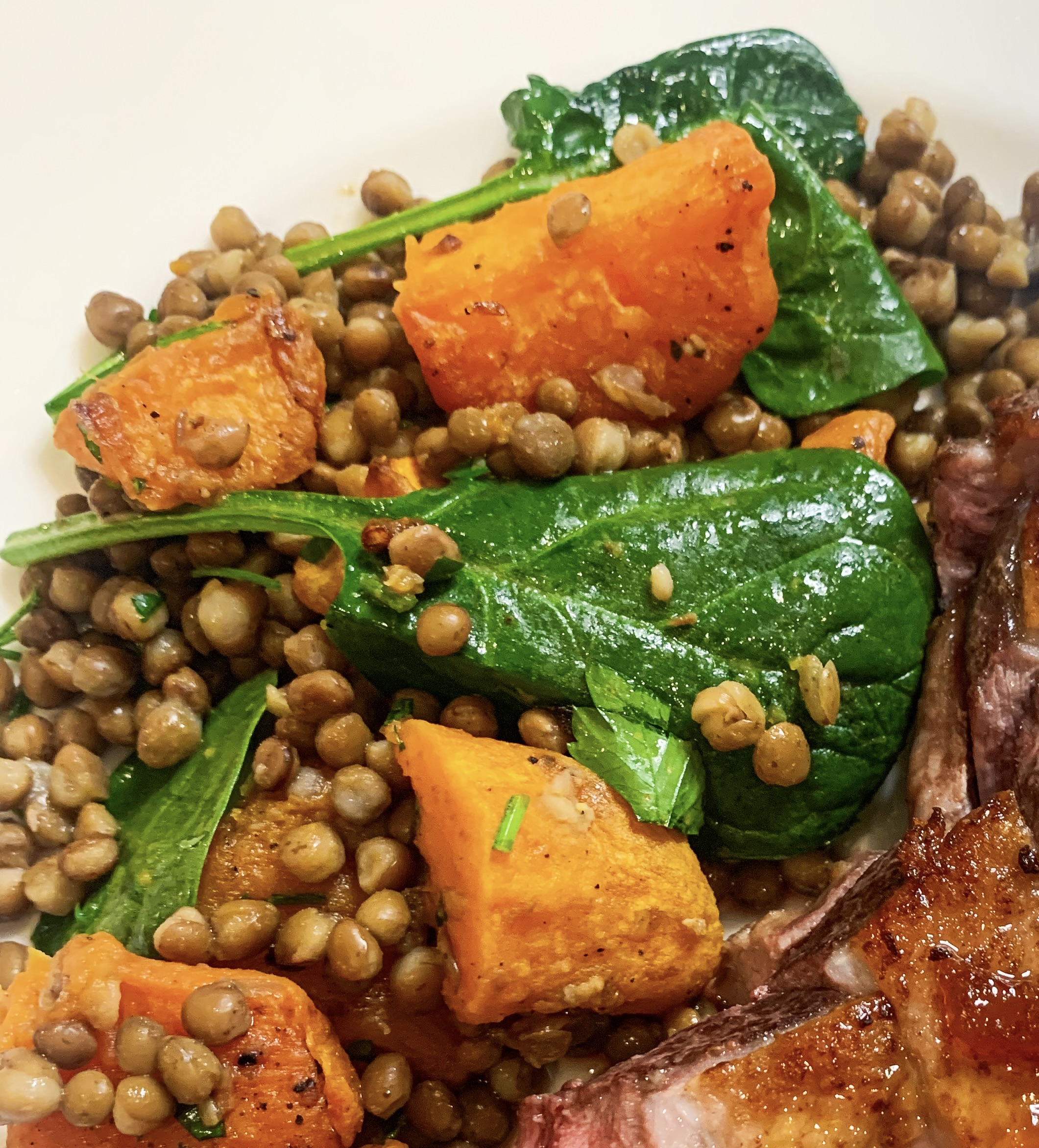
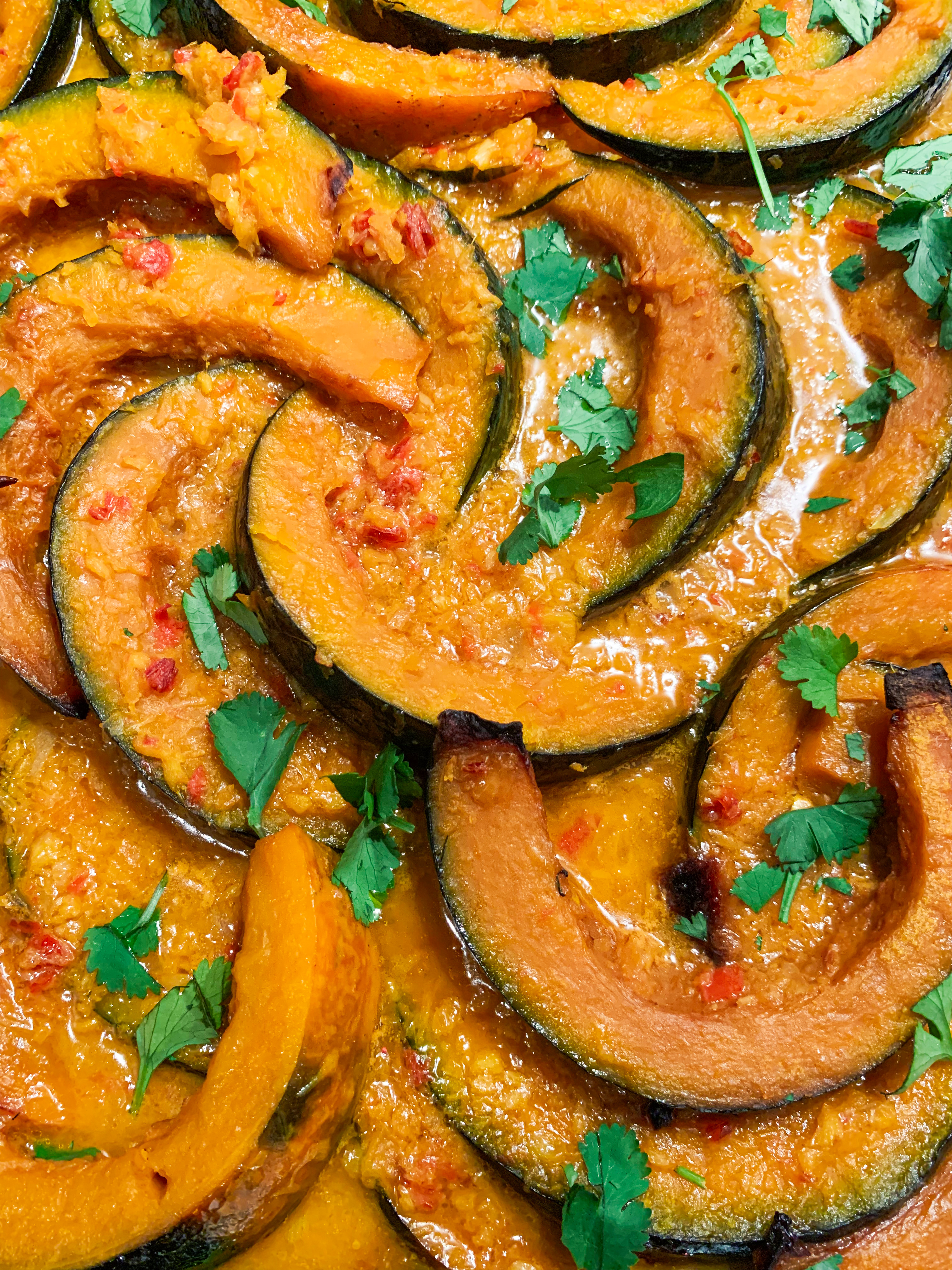
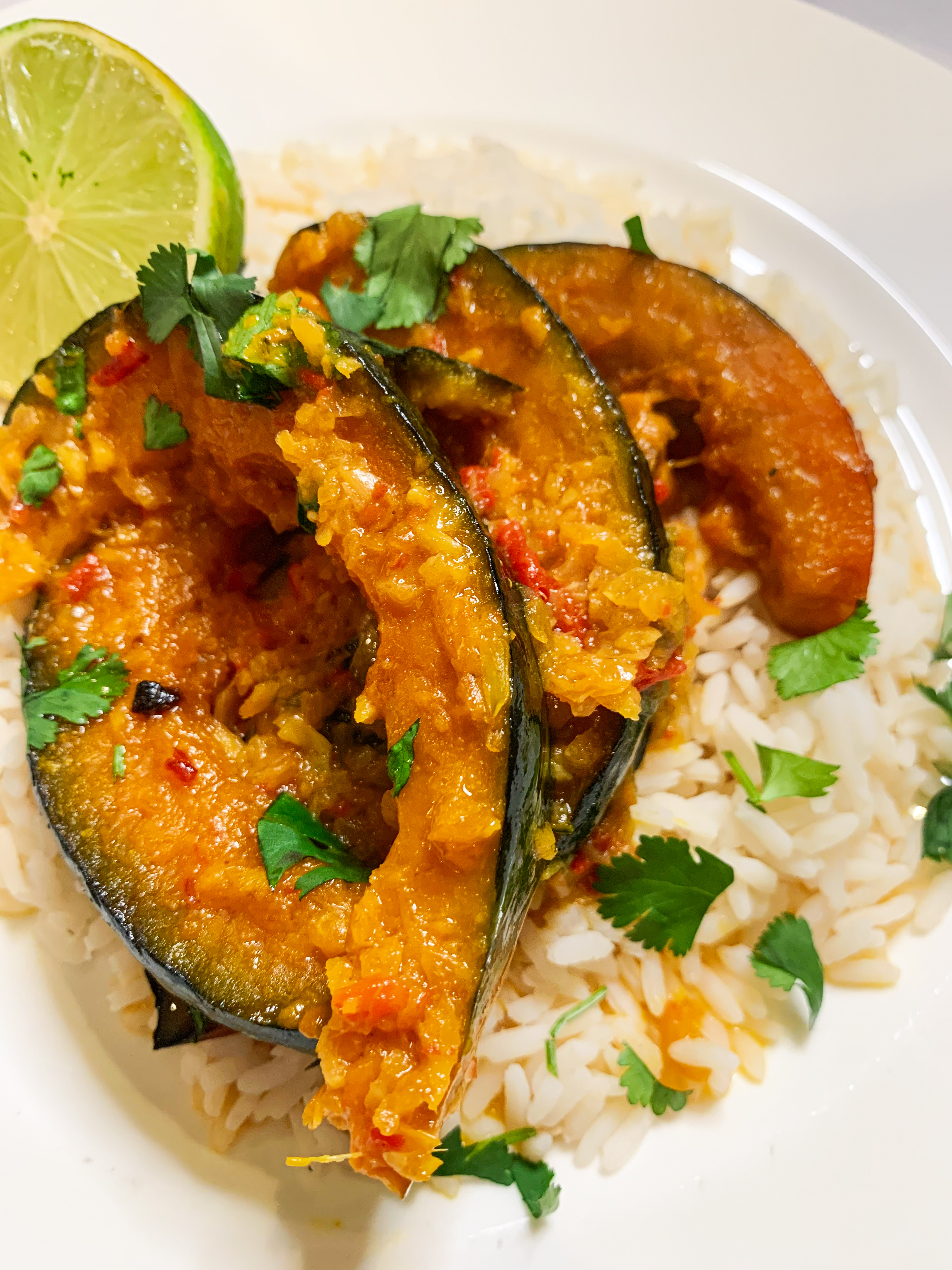
Australia has recently been a topic of conversation that I’ve had with various friends and family. It seems that it’s not only the ‘in’ place to visit, but it’s also encouraging many young people from the UK to up sticks and try a completely different life. Indeed, just this month, my nephew is taking advantage of the two-year work visa scheme and is moving over to Sydney indefinitely! Hopefully, my son, Felix, won’t be following suit anytime soon – he holidayed there earlier this year, and for some time Australia was ‘flavour of the month’, however, I’m hoping that he’s finally back in the swing of London life and appreciating the pros of life in the UK. Admittedly, those pros can sometimes be hard to find; apart from, of course, the presence of myself and the rest of the family! The sunshine is one of the big attractions of living down under, but as I was saying to Felix just the other day, “wouldn’t you miss the seasons?”. And, it’s with this thought that I arrive at this month’s recipes… October marks our transition into the autumn, the days get cooler and shorter, but on the upside, there are the autumnal colours that start to arrive as the trees turn from green to reds, oranges, yellows and golds! With such glorious colours, why on earth would you want to move to Australia?!.. This month’s recipes are a celebration of those colours. Not only are they hearty and warming, but with ingredients such as butternut squash and sweet potato, they sing with seasonal colour. Menu One is ‘Marmalade Duck with Roasted Sweet Potatoes & Lentils’ it’s a recipe from Raymond Blanc’s ‘Simply Raymond’ cookbook. It’s one of those impressive dishes which looks like you’ve been slaving away in the kitchen for hours, but it is, in fact, super easy. The sweetness of the potatoes complements the duck beautifully. If you’re feeling particularly healthy, you could even leave out the duck and just serve the ‘Roast Sweet Potatoes & Lentils’ as a vegetarian main course! Menu Two is another bright coloured dish, ‘Roast Pumpkin Masak Lemak’ is a recipe from one of my favourite cookbooks of 2025, Agak Agak by Shu Han Lee. The pumpkin is cooked in coconut milk with a spice paste; the result is a mildly spiced, subtly sweet, delicious dish.

Menu One

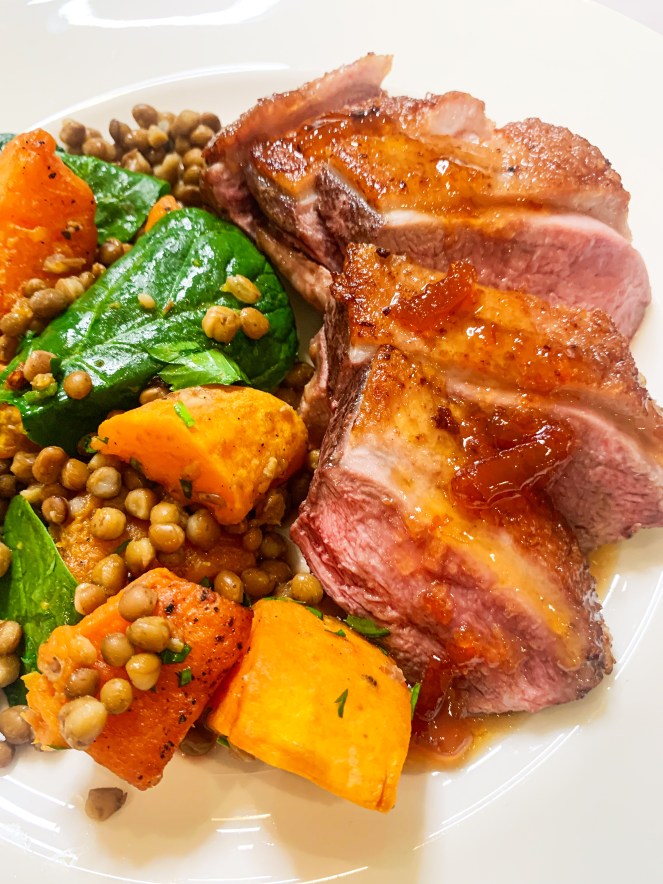
Marmalade Duck (with Roasted Sweet Potatoes & Lentils) Serves 4

This is one of those impressive dishes which looks like you’ve been slaving away in the kitchen for hours, but it is, in fact, super easy. The sweetness of the potatoes complements the duck beautifully. If you’re feeling particularly healthy, you could even leave out the duck and just serve the ‘Roast Sweet Potatoes & Lentils’ as a vegetarian main course (double the recipe). The recipe is from Raymond Blanc’s ‘Simply Raymond’ cookbook (I’ve slightly changed the cooking instructions as I prefer to cook the duck in the oven rather than on the hob).

4 boneless duck breasts (approx. 160g each), skin on

4 tablespoons orange marmalade

1 tablespoon water

Dash of red wine vinegar

Sea salt and black pepper

  1. Score the skin of the duck breasts, through the fat but not all the way through to the flesh, and salt them.
  2. Place the breasts in a dry frying pan, skin side down, over a low heat to render down most of the fat, this may take as much as 10-15 minutes. When the fat is rendered, turn up the heat to crisp up and brown the skin (about 2 minutes). Finally, turn over to sear the underside for minute or so.
  3. Place the duck breasts on a baking tray in a preheated oven, 200’c fan, for 8-10 minutes. Remove from the oven and allow to cool for 5 minutes.
  4. Meanwhile in a small saucepan, warm the marmalade. Add the water and a dash of red wine vinegar. If the sauce looks too thick, add a little more water. Taste and season with salt and pepper accordingly.
  5. Carve each duck breast and place the slices on plates with the marmalade sauce spooned over. Serve with the ‘Roasted Sweet Potato & Lentils’ (recipe below).

Roasted Sweet Potatoes & Lentils (serves 4 as a side or 2 as a main)

3 sweet potatoes

400g tin green lentils, drained and rinsed

2 garlic cloves, peeled and crushed

2-3 tablespoons olive oil

2 generous pinches of sea salt

4 turns of ground black pepper

2-3 handfuls of spinach

1-2 tablespoons red wine vinegar

A handful of coarsely chopped flat-leaf parsley (optional)

  1. Peel the sweet potatoes and chop each of them into 8-10 pieces.
  2. Lay the sweet potatoes in a roasting tin, add the oil, sea salt and black pepper, and toss the potatoes so that they are evenly coated.
  3. Roast the potatoes in a preheated oven, 160’c, for 20 minutes. Remove the tin from the oven, turn the potatoes, add the crushed garlic and return to the oven for a further 5-10 minutes. The potatoes should be slightly golden on the edges and just cooked through.
  4. Finally, remove from the oven and while still hot add the lentils and spinach. Gently toss. The lentils will warm through and the spinach will wilt a little. Finish with a dash of vinegar and sprinkle with parsley, if using.

Menu Two

Roast Pumpkin Masak Lemak (Serves 3-4)

This is a recipe from one of my favourite cookbooks of 2025, Agak Agak by Shu Han Lee. The pumpkin is cooked in coconut milk with a spice paste; the result is a mildly spiced, subtly sweet, delicious dish. Simply serve with rice.

1kg pumpkin or winter squash

2-3 tablespoons vegetable oil

¾ teaspoon and a pinch of sea salt

200ml coconut milk

200ml water

For the spice paste:

100g shallots, roughly chopped

4 garlic cloves, peeled, roughly chopped

Thumb-sized piece of ginger, peeled and roughly chopped

3 large red chillies, roughly chopped

½ teaspoon ground turmeric

¼ teaspoon ground coriander

To finish:

Juice of ½ lime

Handful of fresh coriander, roughly chopped

1 red chilli, thinly sliced

  1. Cut the squash into 2-3 cm wedges, removing any seeds and fibrous bits and leaving the skin on. Toss with the oil  and a big pinch of salt and spread out on a large, deep roasting tray. Roast in a preheated oven, 190’c fan, for 20 minutes.
  2. In the meantime, pound all the spice paste ingredients together either in a small blender or with a pestle and mortar, until you get a fine paste. Fry the paste in a saucepan over a medium heat until very fragrant, about 10 minutes. Stir in the coconut milk and water and bring to a simmer. Season with ¾ teaspoon of salt.
  3. Pour the sauce over the squash in the roasting tin, cover with foil, and continue to roast in the oven for another 20-25 minutes until tender.
  4. To serve, with a squeeze of lime, the chopped coriander and some chopped chilli.