March 2022

Spring is almost officially here! My garden is starting to reawaken and this last month I’ve also felt as if I’ve been slowly reawakening. After Christmas, with the continuing cold, dull days, I must admit to being rather reclusive. Yes, I did manage a weekend away in January and an exhibition, but in all honesty I have had to force myself to get out and about! However, with the hint of Spring in the air, I’ve started to venture out more and in particular, have had the urge to eat out in new restaurants, so I’ve been able to post a couple of reviews on Menu Mistress (here!). Admittedly, it’s rather lame of me to say that it’s been an effort to venture out to restaurants when, once out, I’m assured of a relaxing evening as I don’t have to cook! My laziness only underlines how hard it must be for professional cooks and restauranteurs to persevere with their establishments in the midst of the winter (and covid!). Just recently, from the comfort of my sofa watching the film ‘Boiling Point’, I was reminded of the pressures of cooking in a professional kitchen. Given that I love food, it’s no surprise that I enjoy films based around food/restaurants, for example, ‘Julia & Julia’, ‘Chef’ and ‘Hundred Foot Journey’. These films tend to glamorise the industry, but this new film, starring the very talented Stephen Graham, is a hard-hitting ‘behind the scenes’ film. Shot in one continuous take, reflecting the relentless pressure that the chef (Graham) is under, it’s mesmerising. By the end of the film, I felt exhausted for chefs the world over! So, for a gritty insight into the world of a professional kitchen, I would recommend ‘Boiling Point’, it will certainly make you appreciate home cooking. And on that note, I shall move on to this week’s new recipes, which definitely won’t stress you out!…

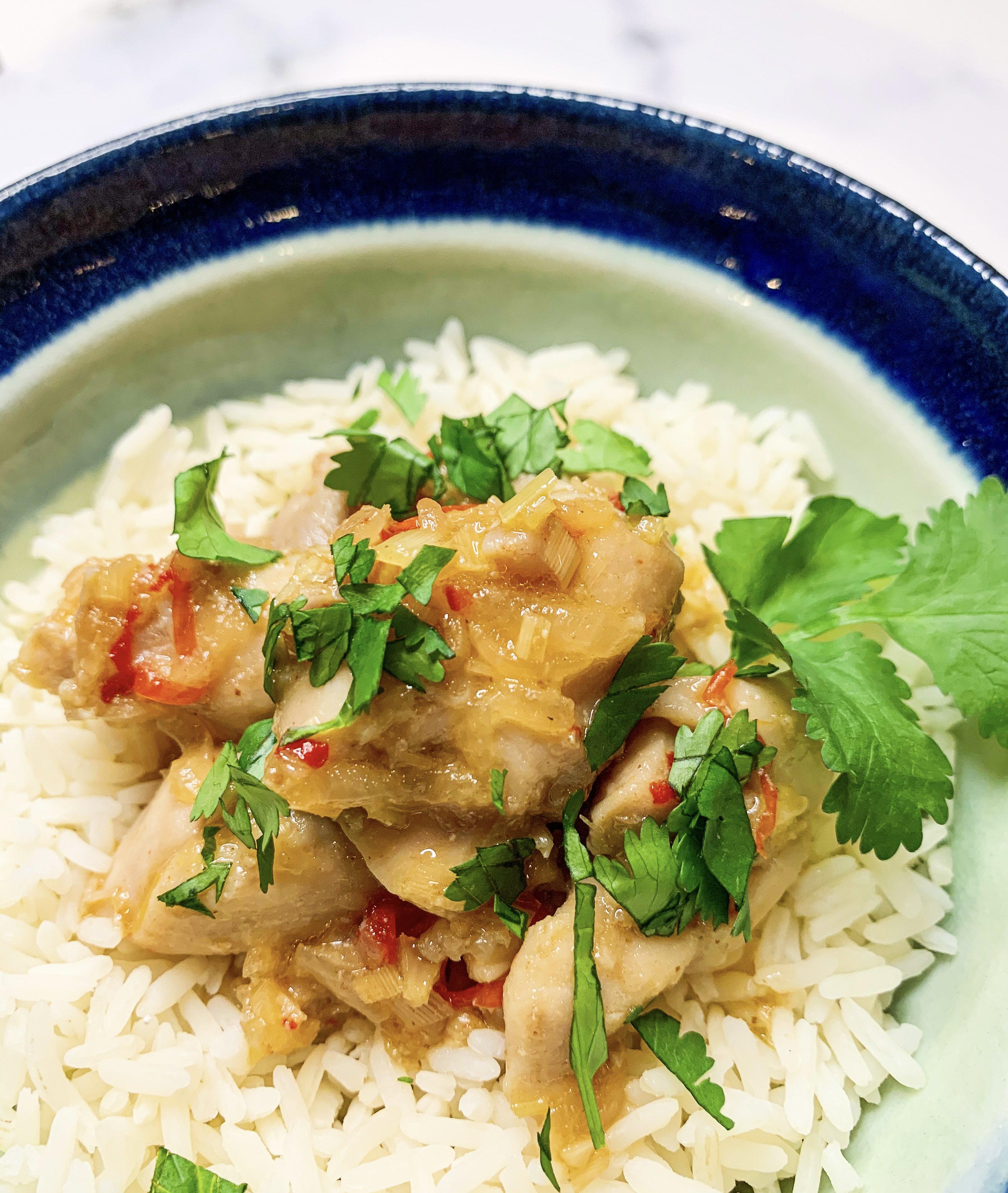
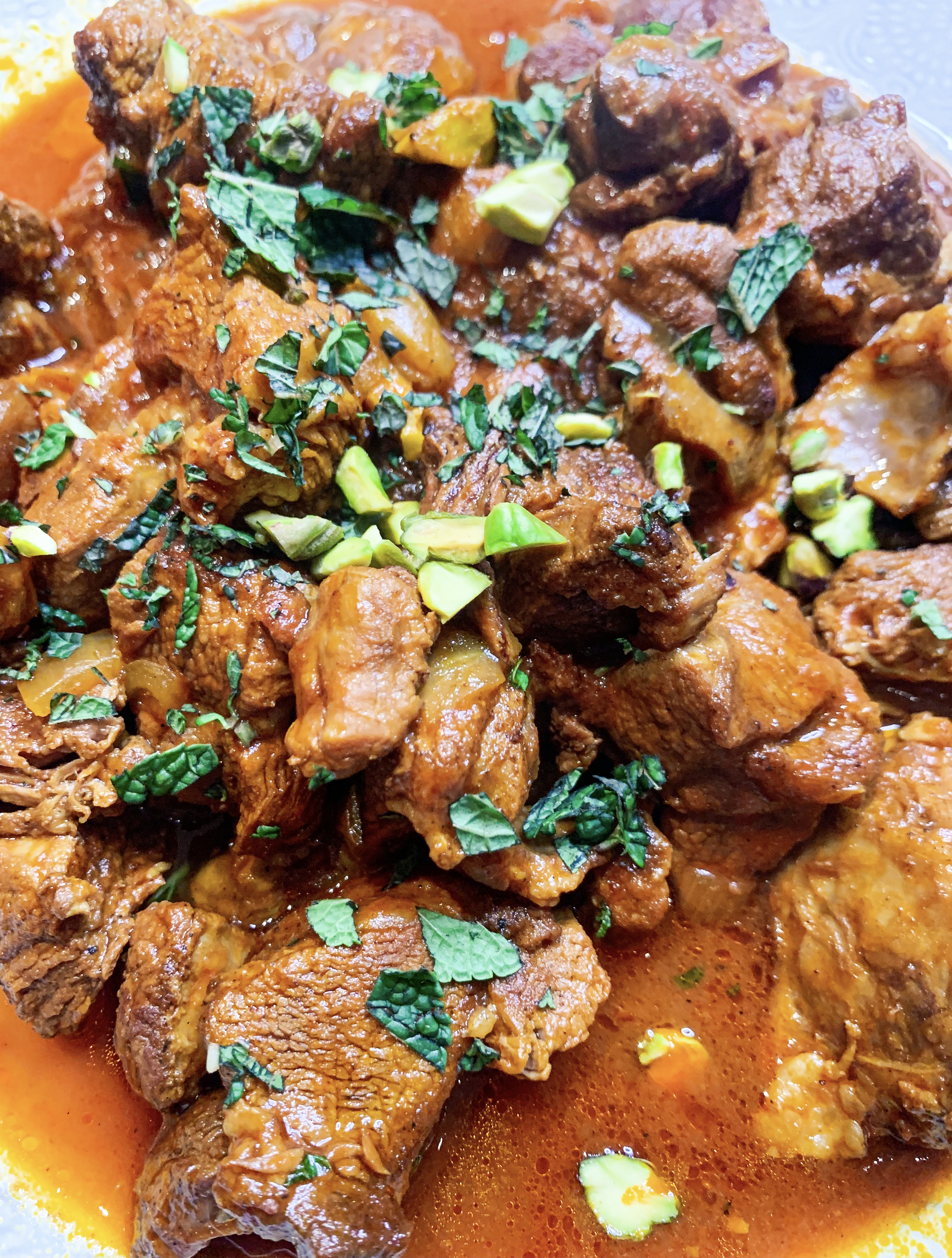
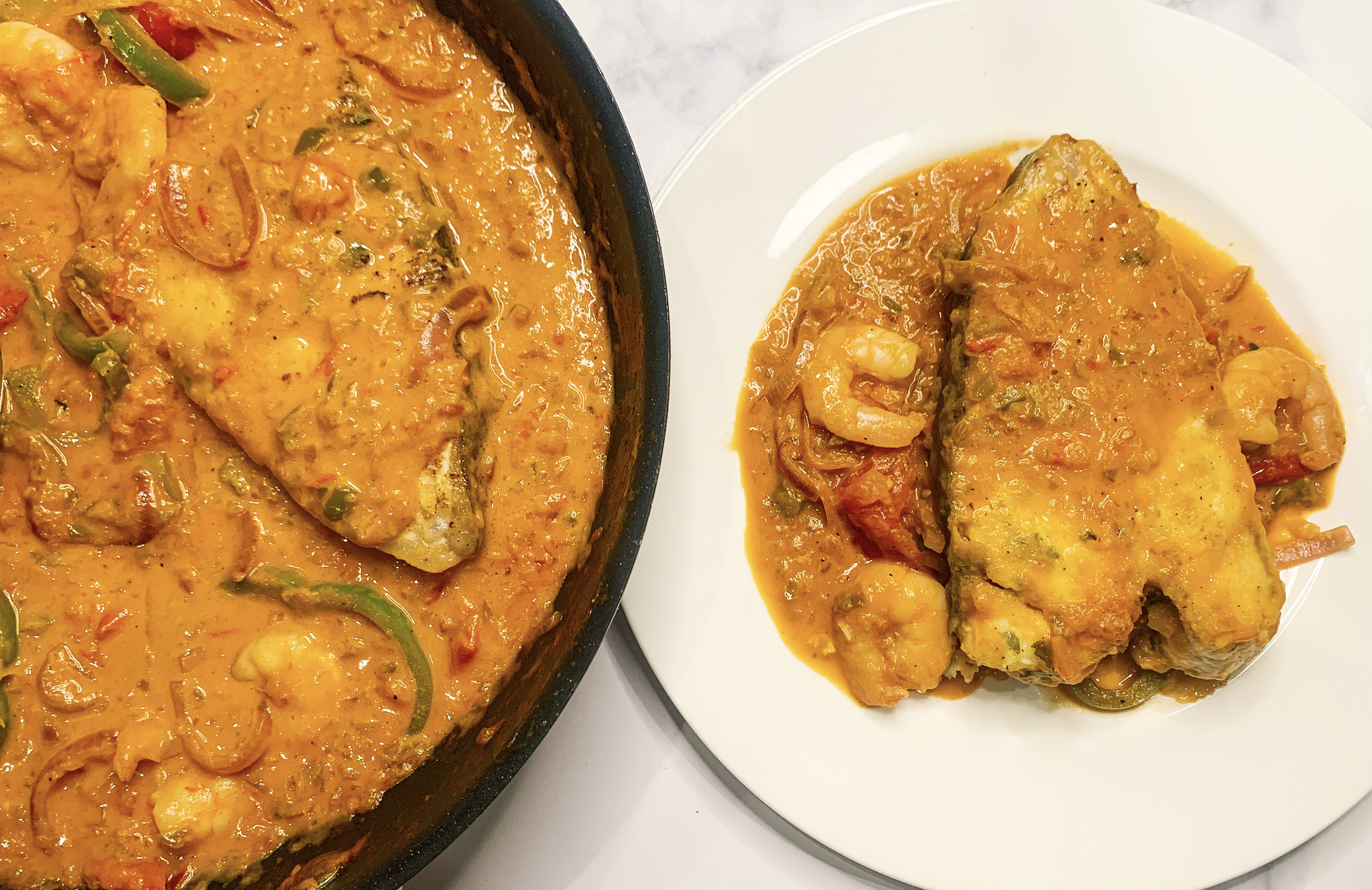
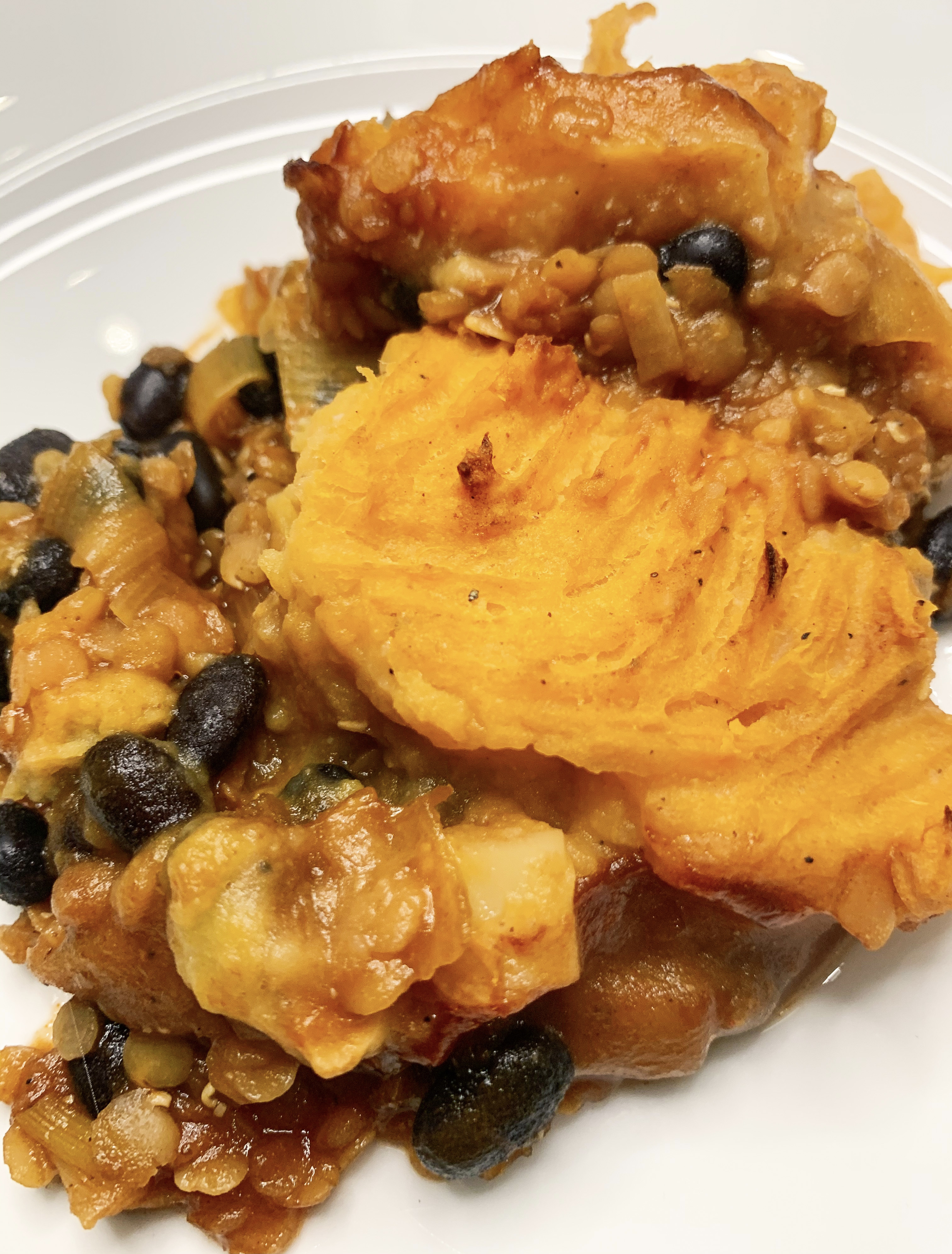
With Spring just around the corner, I thought I’d share some recipes with ‘bright’ flavours which will reawaken our taste buds. Menu One, ‘Vietnamese Lemon Grass and Chilli Chicken’, has the wonderful zing of lemongrass, it’s one of those recipes which is instantly comforting with a combination of hot, sour, salty and sweet flavours. Menu Two is ‘Lamb & Saffron Tagine’. I’m not sure how authentic this recipe is from Marcus Wareing, but it definitely has beautiful, bright, subtly sweet flavours, which are exactly what you need on a chilly March evening. Menu Three is ‘Brazilian Fish Stew (Moqueca)’, this is a recipe which I found in the cookbook ‘Bought, Borrowed and Stolen’ which has recipes from travelling chef, Allegra McEvedy. This fish stew, or Moqueca as it is known in Brazil, is apparently a speciality from the north of the country, it is a vibrant dish enriched with coconut milk. Finally, Menu Four is a brilliantly coloured dish, ‘Bean and Lentil Bake with Sweet Potato Mash’ is not just vegetarian but vegan! I will be the first to admit that, being a keen meat eater, I often struggle to find vegetarian recipes which are really ‘fulfilling’, but this recipe ticks all my boxes!

I hope that these recipes will help you enjoy (and appreciate!) the tranquillity of your kitchen… see you next week for my Tuesday Treat…

Menu One

Vietnamese Lemon Grass and Chilli Chicken (Serves 4)
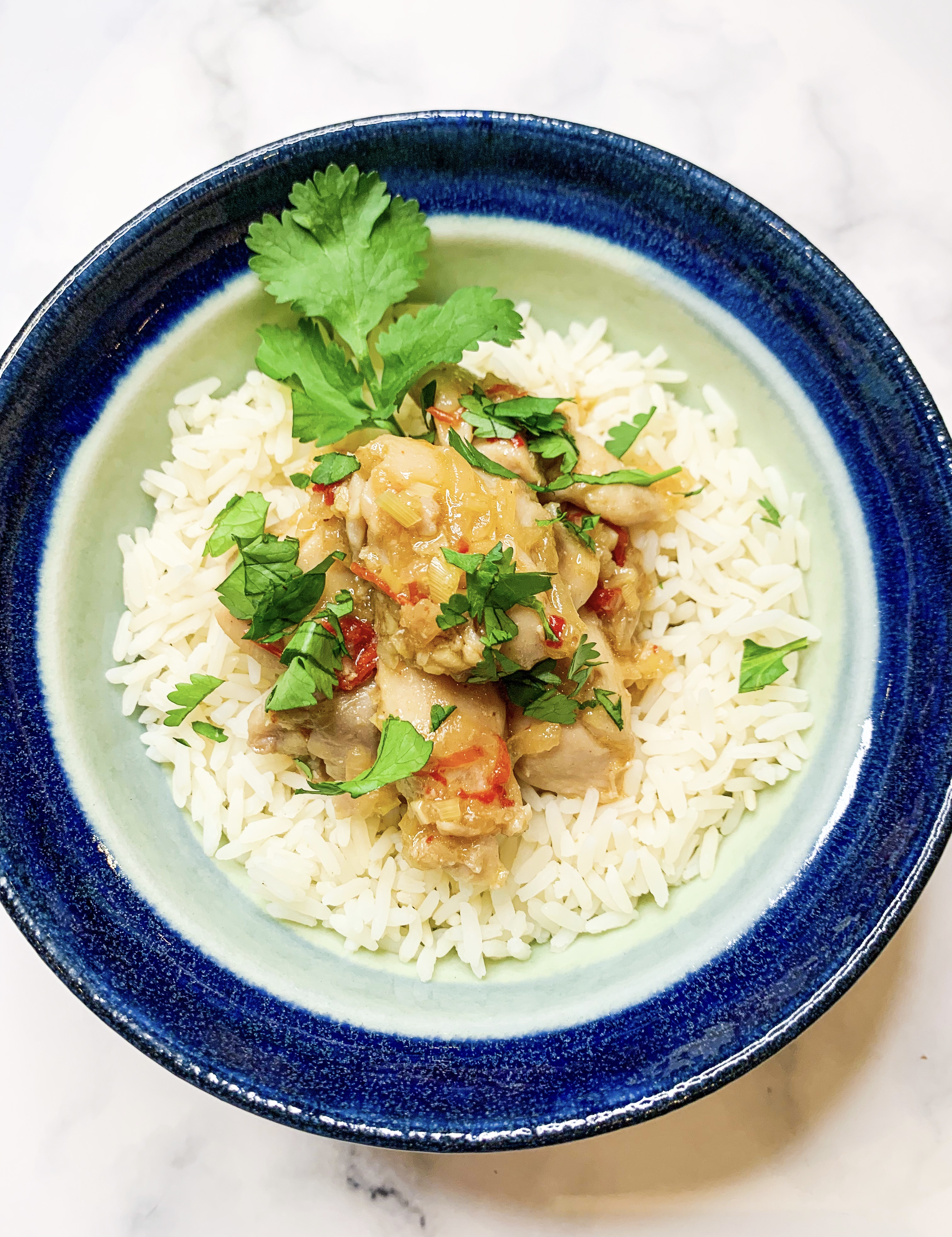
This is one of those recipes which is instantly comforting, it has the most wonderful combination of hot, sour, salty and sweet flavours. The fact that it is particularly quick and easy to cook makes it even more comforting – just remember to marinate it for at least 4 hours (or overnight) before cooking. Simply serve with rice. This is another fantastic recipe from Diana Henry’s cookbook, ‘A Bird in Hand’.

800g skinless boneless chicken thighs

2 lemon grass stalks

4 tablespoons fish sauce

2½ tablespoons caster sugar, to taste

2 red chillies, halved, deseeded and sliced

4 cloves garlic, crushed

2 tablespoons groundnut or sunflower oil

1 onion, halved and sliced thinly into half-moon shaped slices

125ml chicken stock

Juice of ½-1 lime, to taste

2 tablespoons chopped coriander leaves

½ tablespoon sesame seeds to serve (optional)

  1. Trim any fat from the chicken thighs and cut the flesh into bite-sized pieces.
  2. Remove the coarse outer layers from the lemon grass, trim the top and base, and chop the rest as finely as you can. Put half of this into a bowl with the fish sauce, caster sugar, the garlic, half the chillies and the chopped chicken. Mix together and cover with cling film and leave in the fridge to marinate for at least 4 hours – overnight is best. Bring to room temperature before cooking.
  3. Heat the oil in a large frying pan or wok set over a medium heat. Add the chicken and cook it on all sides, browning it well. Add the onion, give it a good stir before adding the remaining chillies and lemongrass, stir fry until the onion starts to soften, being careful not to burn the chillies and lemongrass. Pour in the stock then reduce the heat, cover and allow the chicken to cook for about five minutes.
  4. Remove the lid, increase the heat and continue to cook until the liquid is reduced. You want the mixture to be wetter than a stir-fry but not too saucy. Add the lime juice, then check the seasoning for the sweet-sour balance – adding more sugar or lime to taste.
  5. Sprinkle with the chopped coriander leaves and sesame seeds, serve with rice.

Menu Two

Lamb and Saffron Tagine (Serves 6 and the rest!)
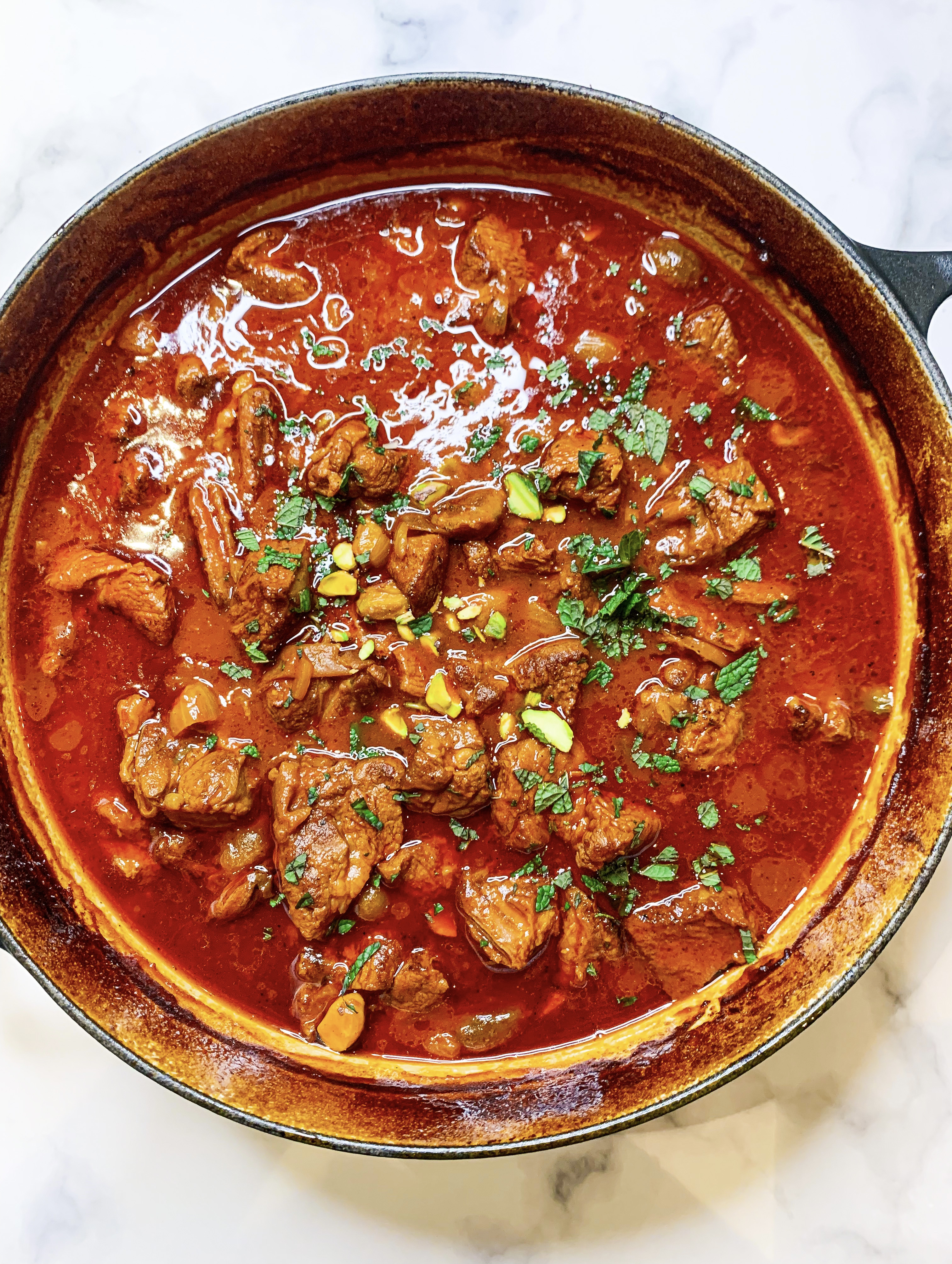
This tagine is from Marcus Wareing’s cookbook ‘Marcus At Home’, I’m not sure how authentic it is, but it’s delicious; I find its sweetness immediately comforting. This generous recipe will no doubt give you leftovers, so if you make it at the weekend it will also give you a good week day dinner, plus it freezes well! Before you start cooking, remember to marinate the lamb for up to 48 hours beforehand, in this way the meat will be wonderfully flavoured. You can serve it simply with rice or, if you can tolerate gluten, couscous.

1.8 kg diced neck or shoulder of lamb

2 tablespoons vegetable oil

2 large onions, chopped

3 garlic cloves, crushed

2cm piece of fresh ginger, peeled and grated

800ml passata or tinned chopped tomatoes

750ml chicken stock

2 teaspoons saffron strands, soaked in 1 tablespoon warm water

200g dried dates, halved

100g golden sultanas

75g pistachio nuts, chopped

Sea salt and black pepper

Fresh Mint, chopped, to serve

For the Marinade:

2 teaspoons ground black pepper

2 teaspoons turmeric

2 teaspoons ground cinnamon

1½ teaspoons paprika

1 teaspoon cayenne pepper

2 tablespoons groundnut oil

  1. Up to 48 hours before or at least the night before cooking this dish, place the marinade spices in a large bowl and mix to combine. Add the oil and lamb, mix well to coat the lamb. Cover and leave in the fridge to marinate.
  2. Put a large casserole over a medium heat with 1 tablespoon of oil. Saute the onions for around 10 minutes until they are softened but not coloured. Add the garlic and ginger for the last 3-4 minutes.
  3. While the onions are cooking, heat the remaining tablespoon of oil in a large frying pan over a high heat. Add the lamb, in batches, and brown on all sides
  4. Pour around half the stock into the lamb to deglaze the pan and transfer this with all the lamb to the casserole with the onions.
  5. Add the passata or tomatoes, the remaining stock, saffron and soaking liquid, dates, sultanas and most of the pistachios (reserving some for decoration).
  6. Bring to the boil, cover with a lid and transfer to a preheated oven, 150’c fan, for 2½ hours until the meat is tender and the sauce is thickened. Serve sprinkled with chopped mint and the remaining chopped pistachios.

Menu Three

Brazilian Fish Stew (Moqueca)(Serves 4)
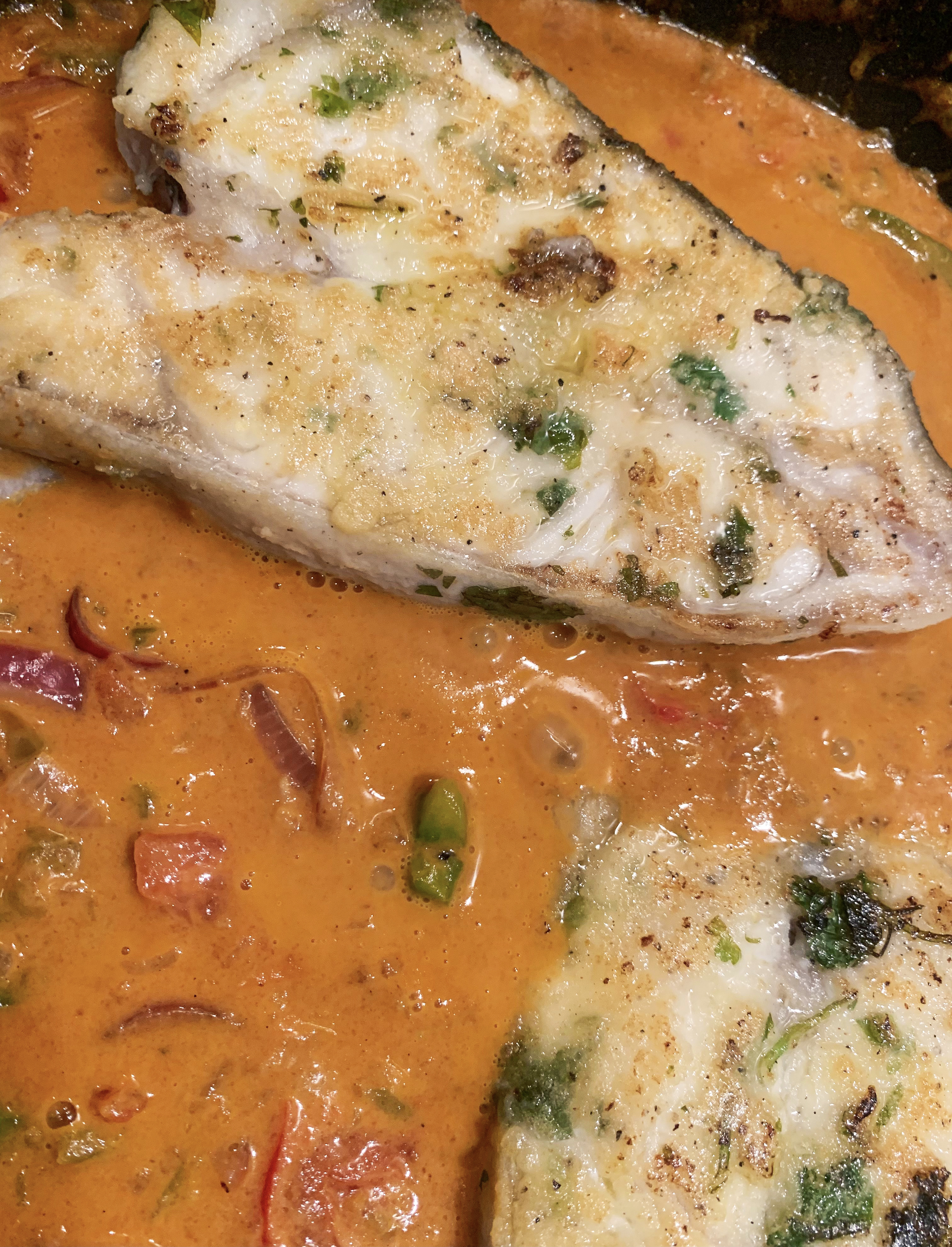
This is a recipe which I found in the cookbook ‘Bought, Borrowed and Stolen’ which has recipes from travelling chef, Allegra McEvedy. This fish stew, or Moqueca as it is known in Brazil, is apparently a speciality from the north of the country, it’s a vibrant dish enriched with coconut milk. It’s a simple recipe but you do need to remember to marinate the fish for at least an hour or longer before cooking. Simply serve with rice.

4 fish steaks on the bone such as Halibut

3 cloves of garlic, crushed with a big pinch of salt

4 limes

A large handful of coriander, chopped

120ml olive oil

3 red onions, sliced

1 tablespoon tomato purée

5 vine-ripened tomatoes, roughly chopped

2 green peppers, sliced

400ml tin of coconut milk

4 tablespoons plain flour, seasoned with salt and pepper (gluten-free if required)

300g tiger prawns (defrosted if frozen)

Sea salt and black pepper

(long grain rice to serve)

  1. Place the fish steaks in a dish. In a small bowl, combine the juice of two of the limes, the garlic, salt and pepper and most of the coriander (reserving a little to serve), then pour this over the fish and leave to marinate in the fridge for at least an hour.
  2. Put 60ml of the olive oil into a wider saucepan and fry two-thirds of the onion slices over a medium-high heat until softened and slightly caramelised – up to 10 minutes. Add half the tomatoes and half of the green peppers and cook for a few minutes, until softened.
  3. Stir in the tomato purée, coat everything well and then pour in half of the coconut milk. Simmer gently for 10 minutes, season the blitz to a thick puree in a food processor or with a stick blender.
  4. About 30 minutes before you want to eat, heat the remaining 60 ml of oil in wide frying pan over a high heat. Put the seasoned flour on a plate and pat both sides of the fish steaks in it. Lower the steaks into the hot oil and fry for 4-5 minutes on each side, until golden brown. Remove and put aside.
  5. Add another splash of oil, if needed, and tip in the remaining onions, peppers and tomatoes. Stir over a high heat for about 5 minutes, then add the blitzed tomato mixture and the rest of the coconut milk. Season and bring to a simmer
  6. Slide in the fish steaks into the sauce. Cover with a lid and cook for a further 4 minutes then add the prawns. Cook for a further 3-5 minutes until the prawns are pink. Taste and adjust the seasoning.
  7. Sprinkle with the remaining chopped coriander and serve with the remaining limes, quartered, and with rice on the side.

Menu Four

Bean and Lentil Bake with Sweet Potato Mash (Serves 4)
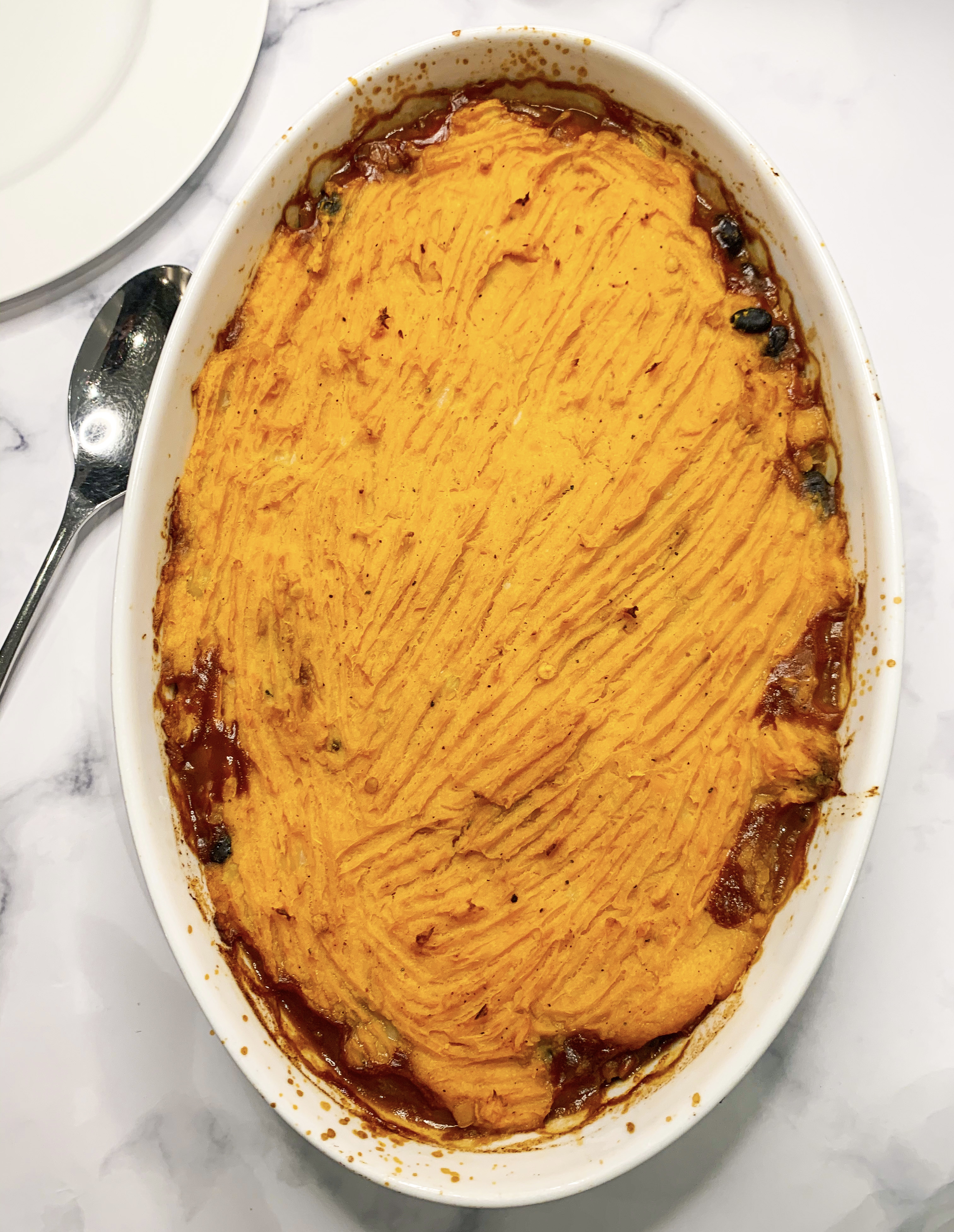
I will be the first to admit that, being keen meat eater, I often struggle to find vegetarian recipes which are really ‘fulfilling’. This recipe definitely ticks all my boxes, even though it is not just vegetarian but vegan! I followed the recipe to the letter and so for the cheesy mash I used ‘nutritional yeast’ which was a revelation. It manages to give the mash a subtle cheesy flavour, however if you’re not vegan you could easily substitute this for cheddar cheese and likewise the coconut yogurt for milk. The paprika in the filling gives the pie a subtle smoky flavour which combined with the cheesy mash is delicious.

For the topping:

1 large sweet potato

1 large white potato

2 tablespoons coconut yogurt or milk (see note above)

3 tablespoons nutritional yeast or 6 tablespoons grated cheddar cheese (see note above)

Sea salt and black pepper

For the Filling:

1 leek

1 tablespoon olive oil

2 cloves of garlic, sliced

1 tablespoon smoked paprika

2 tablespoons tomato purée

150g red lentils, rinsed

750ml vegetable stock

1 tablespoon balsamic vinegar

400g tin black beans, drained and rinsed

Sea salt and black pepper

  1. Peel and chop the potatoes into small cubes. Add them to a pan of boiling water with a good pinch of salt and cook on a high simmer for about 10 minutes until soft. Drain.
  2. Mash the drained potatoes with the other topping ingredients, seasoning well with salt and pepper. Set aside.
  3. To make the filling, roughly chop the leek, add to a large pan with the oil and fry on a medium heat for 5-6 minutes until soft.
  4. Add the garlic, fry for a another minute then add the smoked paprika and tomato purée, stir well for another minute or so.
  5. Add the lentils, vegetable stock and balsamic vinegar. Bring to the boil then turn down the heat and simmer for 15 minutes. Add a bit more water if needed.
  6. Now add the black beans and season with salt and pepper, stir well.
  7. Spread the lentil mix evenly over the base of a baking dish. Top with the mash, spreading it out to cover the lentil mix.
  8. Bake in a preheated oven, 180’c fan, for about 20 minutes until the potato top is crispy.

Tuesday Treat

Lavender Martini (Serves 1)

I love Martinis, and this version of the classic has become my new favourite. I discovered it last year whilst we were staying at the small boutique hotel, The Grove in Pembrokeshire, where they served this Martini with Lavender Bitters. When I returned home I was on a mission to emulate it. Thanks to Amazon I was able to easily track down a small bottle of ‘Lavender Bitters; you only need a couple of drops but it lends the Martini a subtle aroma of lavender without overpowering it.

Tip: Before you start making this Martini, make sure you put your glasses in the freezer, as you want this cocktail to be chilled to perfection.

100ml gin

1 teaspoon Dry Vermouth

3 drops of Lavender Bitters

A handful of ice

  1. Put the Gin, Dry Vermouth and the drops of Lavender Bitters in a cocktail shaker, add the ice and shake until cold.
  2. Strain into a frozen Martini glass.
  3. Enjoy!

‘Blast from the Past Recipe’

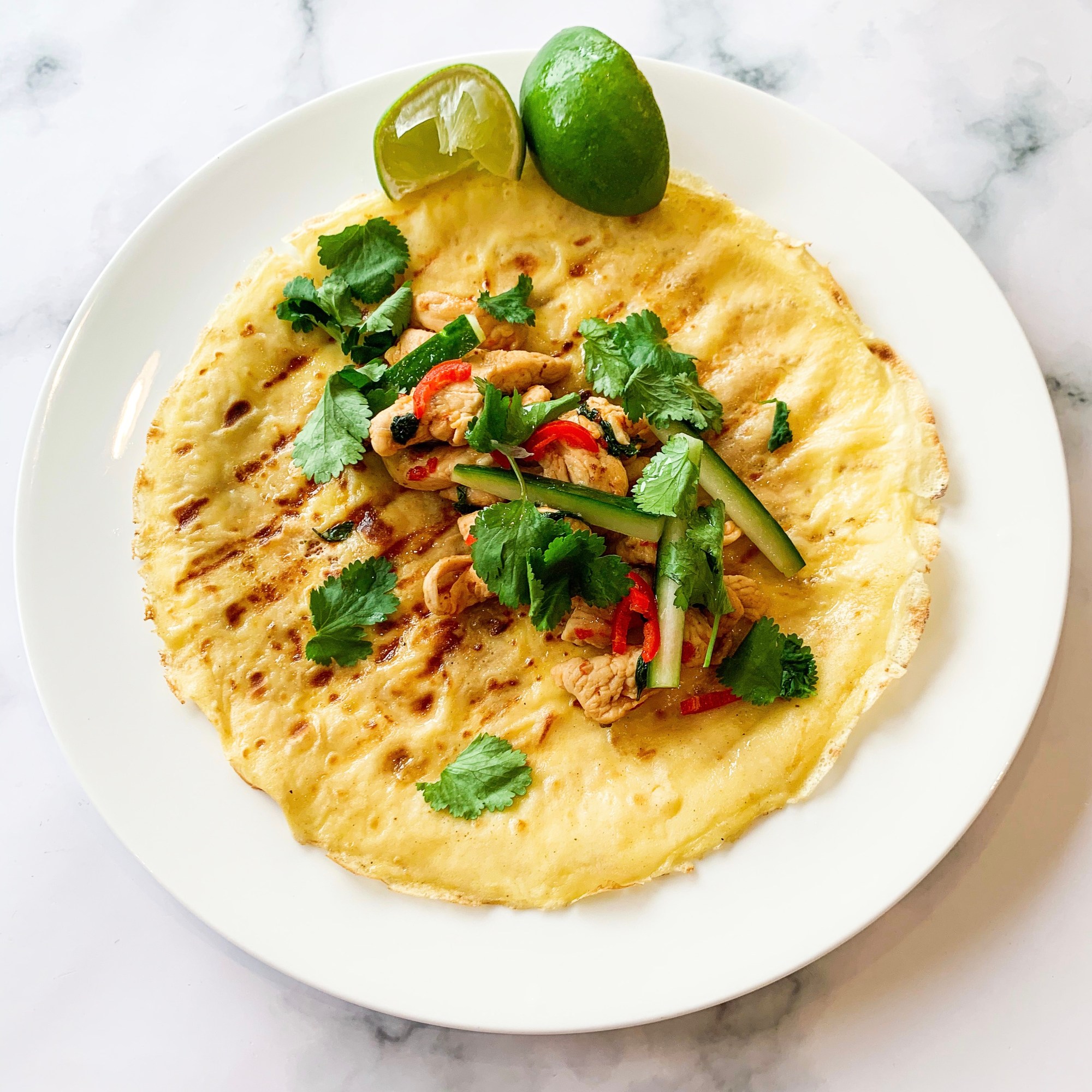
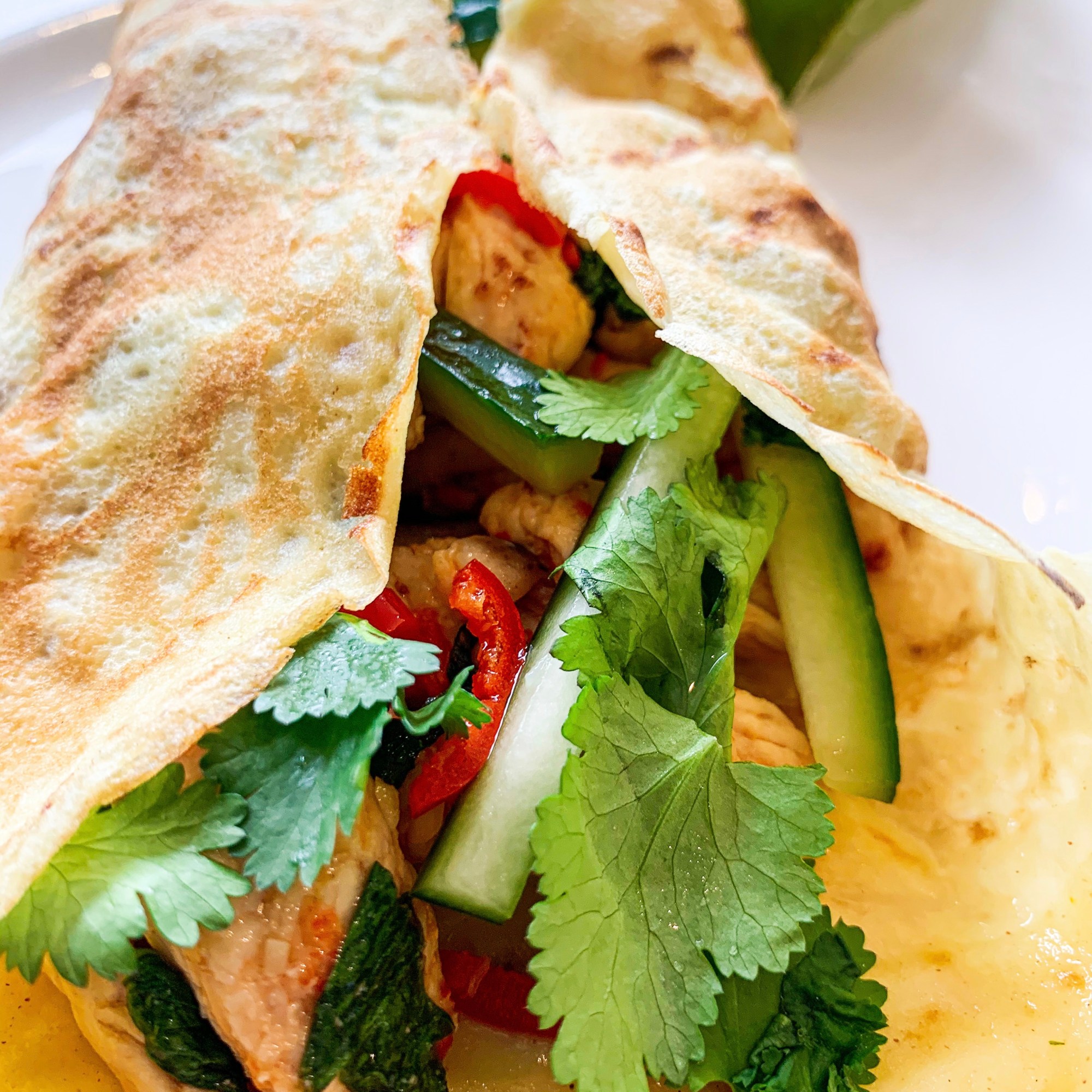
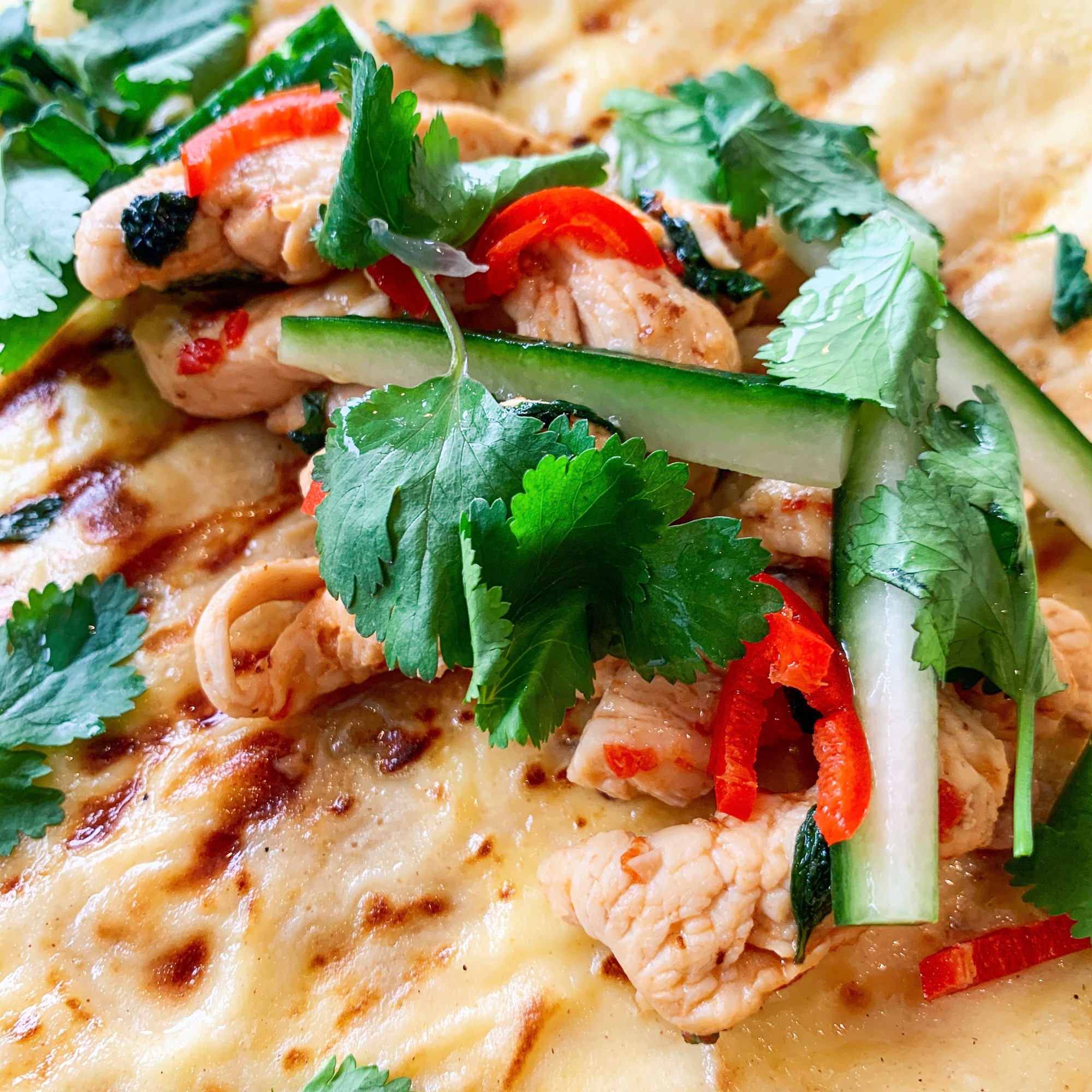
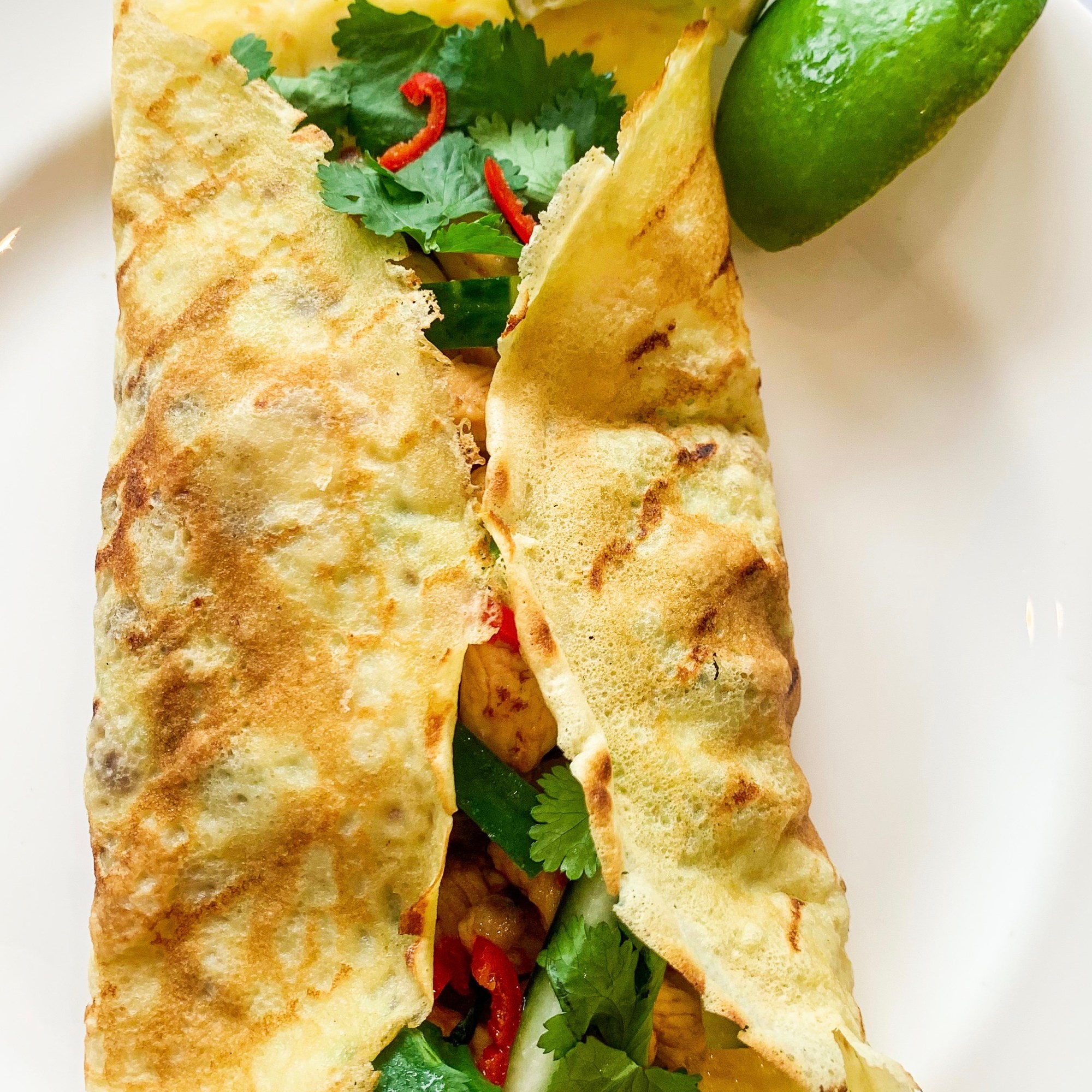
Shrove Tuesday is only a couple of weeks away (1st March), so I thought that this months ‘Blast from the Past’ should be my favourite savoury pancake recipe. I first shared this recipe last February, not only is it a great savoury option for Shrove Tuesday, but a great supper idea at any time of the year! The stir-fry chicken needs to be cooked quickly so it is a good idea to have everything weighed out and prepared beside the stove. By chargrilling the cooked pancakes you get a wonderful ‘charred flavour’ which is delicious with the spiced chicken!

Chicken, Chilli and Basil Pancake Wraps (Serves 4)

For the Pancakes

Batter – recipe below, either with or without gluten

1 level teaspoon vegetable stock powder (such as Marigold Swiss Vegetable Boullion)

Sesame oil for brushing

For the chicken
500g chicken breast fillets, cut into thin strips
4 garlic cloves, finely chopped
20g red chillies, roughly chopped
A generous pinch of sea salt
2 tablespoons vegetable oil
2 tablespoons fish sauce
1 tablespoon soy sauce (gluten free if required)
1 tablespoon caster sugar
Large handful of basil leaves, torn

To serve
135g cucumber, cut into sticks
40g fresh coriander leaves
1 large red chilli, halved, deseeded and finely sliced lengthways
Lime wedges

  1. Whisk the stock powder into the pancake batter until dissolved, then make the pancakes following the method for the basic pancakes, below. Set aside while you make the filling.
  2. For the chicken: Pound the garlic, chillies and salt in a mortar to make a paste. Heat the oil in a frying pan, add the paste and stir-fry over a high heat for 30 seconds — be careful not to burn the garlic. Add the chicken strips and stir-fry for 2 min until just cooked through. Add the fish sauce, soy sauce and sugar, and stir-fry for a further 30 seconds then toss in the torn basil leaves. Set aside, keeping warm.
  3. Set a grill pan over a high heat. While the pan is heating, lightly brush one side of each pancake with sesame oil. Place a pancake in the pan, oiled-side down, and cook for 1 min, or until charred with stripes underneath. Flip and cook for 30 seconds more. Transfer to a plate and repeat with remaining pancakes.
  4. Place some of the chicken mixture on one half of a pancake. Top with some cucumber, coriander leaves, chilli and a squeeze of lime juice. Roll up and eat immediately.

Basic Pancake Batter

Basic Pancakes (with Gluten)

110g plain flour

A pinch of salt

2 large eggs

200ml milk mixed together with 75ml water

2 tablespoons melted butter, plus extra for cooking the pancakes

  1. Sieve the flour and salt into a large bowl (hold the sieve up high to give the flour an ‘airing’).
  2. Make a well in the middle of the flour and break the eggs into it.
  3. Whisk the eggs into the flour, incorporating the bits from the sides.
  4. Start to add small quantities of the milk and water mixture gradually, until it has all been added and the batter is smooth.
  5. When you are ready to cook the pancakes add the 2 tablespoons of melted butter to the batter and stir well.
  6. Melt about a teaspoon of butter in a small frying pan. Swirl it around the pan and tip off any excess butter – the pan only needs a light coating.
  7. When the pan is really hot, turn down the heat to medium and add about 3 tablespoons of batter to the pan, tip it around from side to side so that the base is evenly coated. It should only take ½ -1 minute to cook, you will notice little bubbles rising under the surface. Use a palette knife (or if you’re feeling brave, toss it!) to turn the pancake over to cook the other side, then slide on to a plate, cover with foil to keep warm whilst you cook the next pancake.

(The first pancake is often ‘a tester’, so that you can determine how much batter your pan needs, so don’t be surprised if it isn’t perfect).

Basic Pancakes (Gluten-Free)

100g gluten free plain flour (I use Doves)

A pinch of salt

2 large eggs

1½ teaspoons melted butter, plus extra for cooking the pancakes

240ml whole milk

60ml water

  1. Sieve the flour and salt into a large bowl (hold the sieve up high to give the flour an ‘airing’).
  2. Make a well in the middle of the flour and break the eggs into it and add the melted butter and about ¼ of the milk, whisk to combine to a thick mixture, incorporating all of the flour around the sides.
  3. Slowly whisk in the rest of the milk and the water, until the batter is smooth.
  4. Leave to sit for 20-30 minutes. Mix well again when you are ready to cook the pancakes.
  5. Melt about a teaspoon of butter in a small frying pan. Swirl it around the pan and tip off any excess butter – the pan only needs a light coating.
  6. When the pan is really hot, turn down the heat to medium and add about 3 tablespoons of batter to the pan, tip it around from side to side so that the base is evenly coated. It should only take ½ – 1 minute to cook. Use a palette knife (or if you’re feeling brave, toss it!) to turn the pancake over to cook the other side, then slide on to a plate, cover with foil to keep warm whilst you cook the next pancake.

*It is important to give the batter a good mix just before using for each pancake as the flour tends to settle at the bottom.

(The first pancake is often ‘a tester’, so that you can determine how much batter your pan needs, so don’t be surprised if it isn’t perfect)

Tuesday Treat

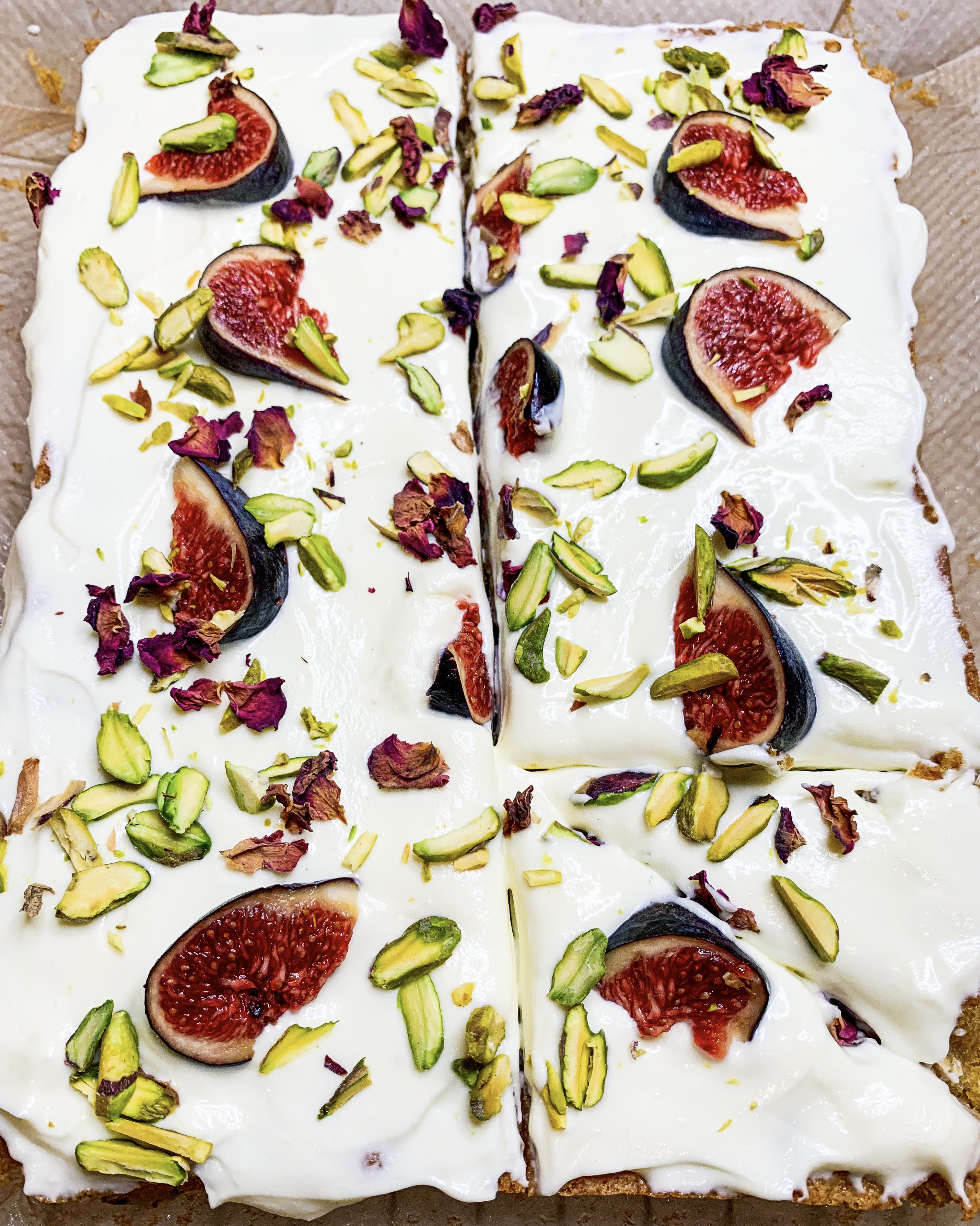
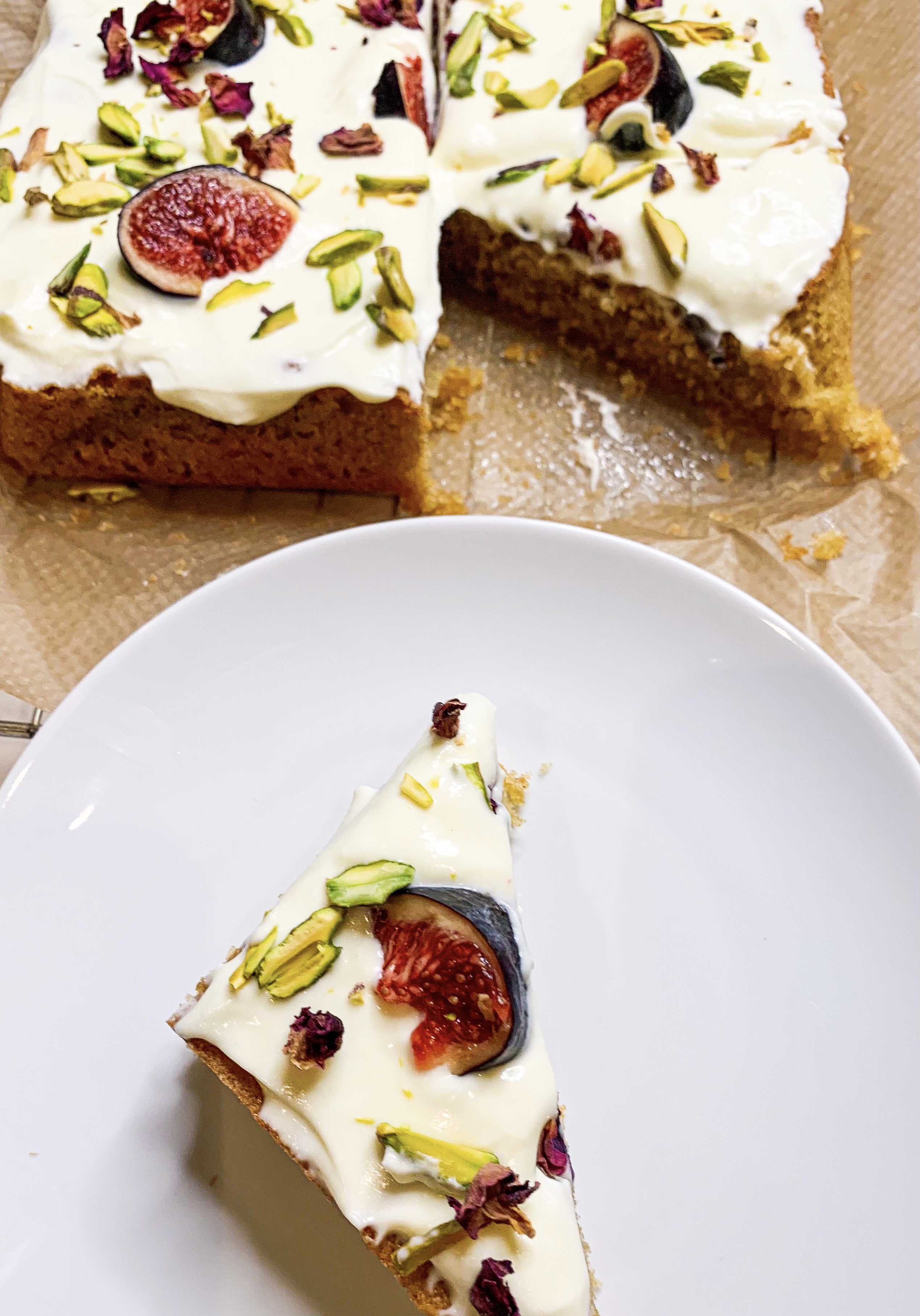
Persian Love Cake with Rose, Cardamom & Figs

With Valentines Day on the horizon I just had to share this recipe… Let’s face it everyone deserves a little ‘sweet’ love!…

There is a lovely fairytale behind this cake…

“Once upon a time, there was a young Persian woman, who was madly in love with a prince. She made him this cake, filled with magical love powers, and he promptly fell in love with her; they lived happily ever after!”…

Have I sold the recipe to you?!…I can’t promise you love, but I can assure you that it is one of the easier recipes for Persian love cake that I have come across (there are many out there!), and it is of course very tasty! I found this recipe in Rukmini Iyer’s cookbook ‘The Roasting Tin Around the World’, it is a very moist cake with a lovely delicate flavour. I particularly like the mascarpone icing – it looks so pretty decorated with rose petals, pistachios and figs (if you can’t get hold of figs, don’t worry it will still taste wonderful!). Because of the mascarpone icing, it should be kept in the fridge (that’s if you don’t eat it straight away!), just make sure you allow it to come to room temperature before serving. Rosewater varies in its strength depending on the brand – I used ‘Holylama Spice Drops Rose Extract’ which is quite intense, so I only needed 2 drops of it, however, if you are using a different brand you may need more. This recipe works well with gluten free flour – I use Dove’s.

170g soft light brown sugar

170g soft unsalted butter

3 large eggs

125g self-raising flour (gluten free if required)

1 teaspoon baking powder

45g ground almonds

½ teaspoon ground cinnamon

4 cardamom pods, seeds only

Approx. 1 teaspoon rosewater or 2 drops of ‘Holylama Spice Drops Rose Extract’ (see note above)

For the Icing and Decoration:

250g mascarpone

25g icing sugar

Approx. 1 teaspoon rosewater or 2-3 drops of ‘Holylama Spice Drops Rose Extract’ to taste (see note above)

Dried rose petals

A handful of pistachio nuts, cut into slivers

2 fresh figs, thinly sliced into quarters (optional)

  1. Beat the sugar and butter together until soft and fluffy, then whisk in the eggs.
  2. Fold in the flour, baking powder, ground almonds, spices and rosewater, then pour the mixture into a lined shallow tin (26cm x 20cm).
  3. Bake in a preheated oven, 160’c fan, for 25-30 minutes until the cake is golden brown and a skewer, when inserted, comes out clean.
  4. Meanwhile, beat the mascarpone, rosewater (to taste) and icing sugar together.
  5. Remove the cake from the oven, let it cool in the tin for 5 minutes, then transfer to a rack to cool completely. When it is cold, spread the icing all over the cake using a palette knife, and sprinkle over the rose petals, pistachio slivers and sliced figs.

February 2022

Well, we’ve made it to the end of the ‘dog days’ of January!

I must admit, my January hasn’t been too gloomy as I’ve already had a weekend away!… If you read my blogs/ restaurant reviews, you will know that since my son, Felix, started York University three years ago, I have developed a soft spot for the wonderful, little city of York and its restaurants. I had been wanting to introduce my sister to its finery since before the pandemic, but with the lockdowns and one thing and another, we had to keep postponing our trip. Finally last weekend, we managed to visit. Naturally, we had dinner at my favourite York restaurant, Meltons, which was as delicious as ever (see my review from last year here) and we discovered the perfect place for cocktails with a fantastic view of York Minster (Sora Sky Bar at Malmaison)! During the day, despite the cold, we enjoyed the beautiful, dry, sunny days which were perfect for strolling around the city walls and side streets. Back in London, I managed to keep to one of my New Year resolutions, to make better use of all the museums and galleries which are on my doorstep. This month I visited the V&A to see ‘Fabergé in London: Romance to Revolution’, which showcases some of the extraordinary works from Carl Fabergé’s enterprise including several of the legendary eggs – it really is worth a visit if you get the opportunity!…

Apart from venturing up north and getting my London culture fix, I have been snuggling down at home with a few of my new Christmas presents – yes, I received at least four new cookbooks for Christmas. I now have an even longer list of new recipes that I want to try! I hope to share some of these with you over the next few months, but firstly this month I’m sharing some dishes which have long been favourites in my family…

Let’s face it, although we have January behind us we still have February to get through and as we know from experience it can bring some of the coldest weather. So in my opinion, February merits a couple of rich, creamy dishes. Plus, being the month of ‘love’, I’ve decided to post recipes that are special enough for a low key Valentine celebration – yet easy enough for a midweek meal. Menu One is ‘Creamy Bolognese Sauce’. I have already shared my ‘Everyday Bolognese Sauce’ with you (recipe here), but I also wanted to share this recipe for a creamier, richer sauce that is also slightly more sophisticated. Menu Two is ‘Deconstructed Chicken, Porcini, Pancetta & Sage Pies’; with their individual pastry lids these pies are as elegant as any pie could be, plus more importantly, the filling is extremely tasty! Menu Three is ‘Medallions of Pork with Prunes & Cognac’,  I have cooked this dish in various forms over the years, but this recipe from Rick Stein is the winner (so far!). Apart from being a wonderful creamy dish of deliciousness, it’s a recipe that is very quick and easy to cook – it’s a win-win! Finally, Menu Four is ‘Winter Pilau with Beetroot, Cauliflower and Coriander Chutney’. The jewel-like colours of this dish certainly give it an air of romance whilst with the ‘zing’ of the flavours, you’ll find yourself falling in love…with the recipe!

Also this month, I’m sharing some new tunes for your kitchen. Music to Cook to…MenuMusic Seventeen’, is a rather mellow mix, perfect for Valentine’s!

Menu One

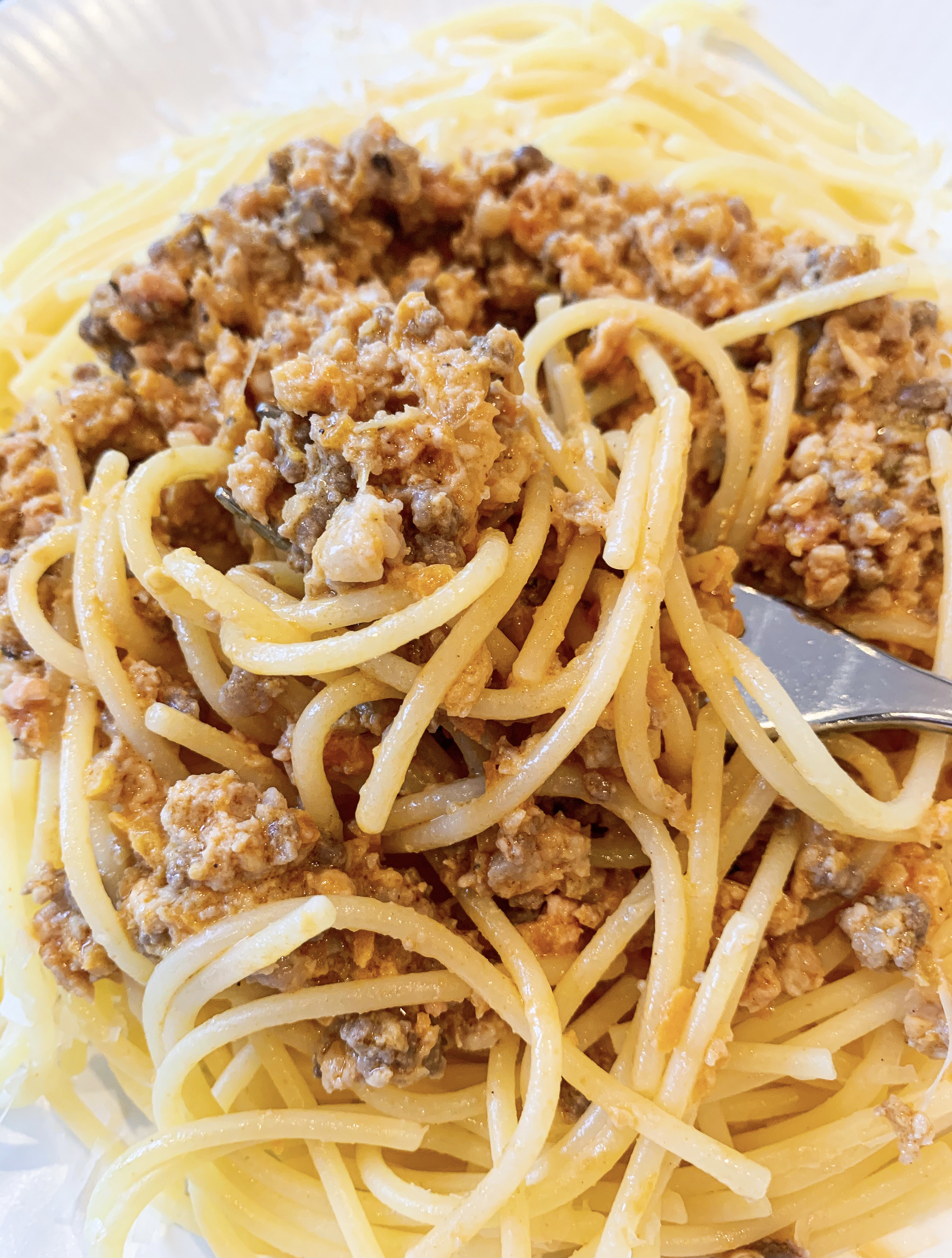
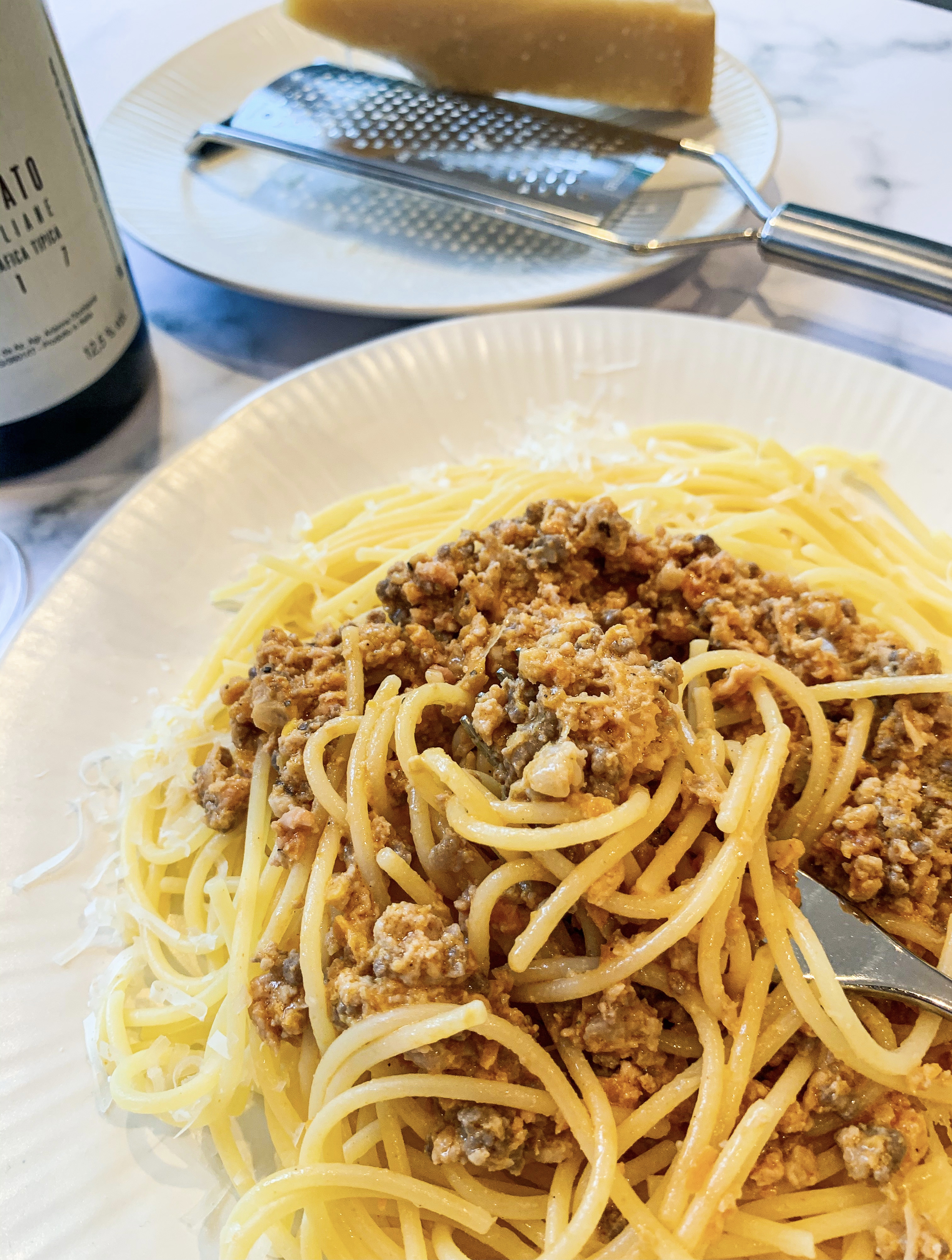
Creamy Bolognese Sauce with Spaghetti (Serves 4 generously)

There are two Bolognese sauces which I like to cook at home, one of these is what I call ‘Everyday Bolognese Sauce’ (recipe here), which I think is the more traditional, family-style of the two – a good midweek all-rounder. The other recipe is this one for ‘Creamy Bolognese Sauce’, which, with the addition of cream, is richer and more sophisticated. It also makes a great midweek meal but is a little more special! I have been cooking this recipe for over 20 years, it’s from Diane Seed’s cookbook, ‘The Top One Hundred Pasta Sauces’ – a great little book if you can still get it!

500g Spaghetti

2 tablespoons olive oil

80g butter

1 onion,

1 carrot

1 stalk celery

100g bacon

50g pork sausage meat

150g pork mince

150g beef mince

180ml white wine

180ml beef stock

1 tablespoon tomato purée

5 tablespoons double cream

Sea salt and black pepper

Freshly grated Parmesan cheese to serve

  1. Finely chop/mince the onion, carrot, celery stalk and bacon, I like to use a food processor to do this.
  2. Heat the oil and 50g of the butter in a deep saucepan, add the minced onion, carrot, celery and bacon, then cook gently for about 10 minutes. Then add the sausage meat, pork and beef mince and the wine. Cook gently for a further 10 minutes, stirring from time to time.
  3. Add the tomato paste to the stock, stir to dilute and add to the mince mixture. Season with salt and pepper, stirring well to combine. Cook gently for 1½ hours.
  4. Finally stir in the cream, when it has been absorbed by the sauce remove from the heat and keep warm.
  5. Cook the pasta until al dente, according to the packet instructions.
  6. When you are ready to serve, return the sauce to the heat and stir in the remaining 30g butter. Then stir the sauce through the drained pasta. Serve with the Parmesan cheese on the side.

Menu Two

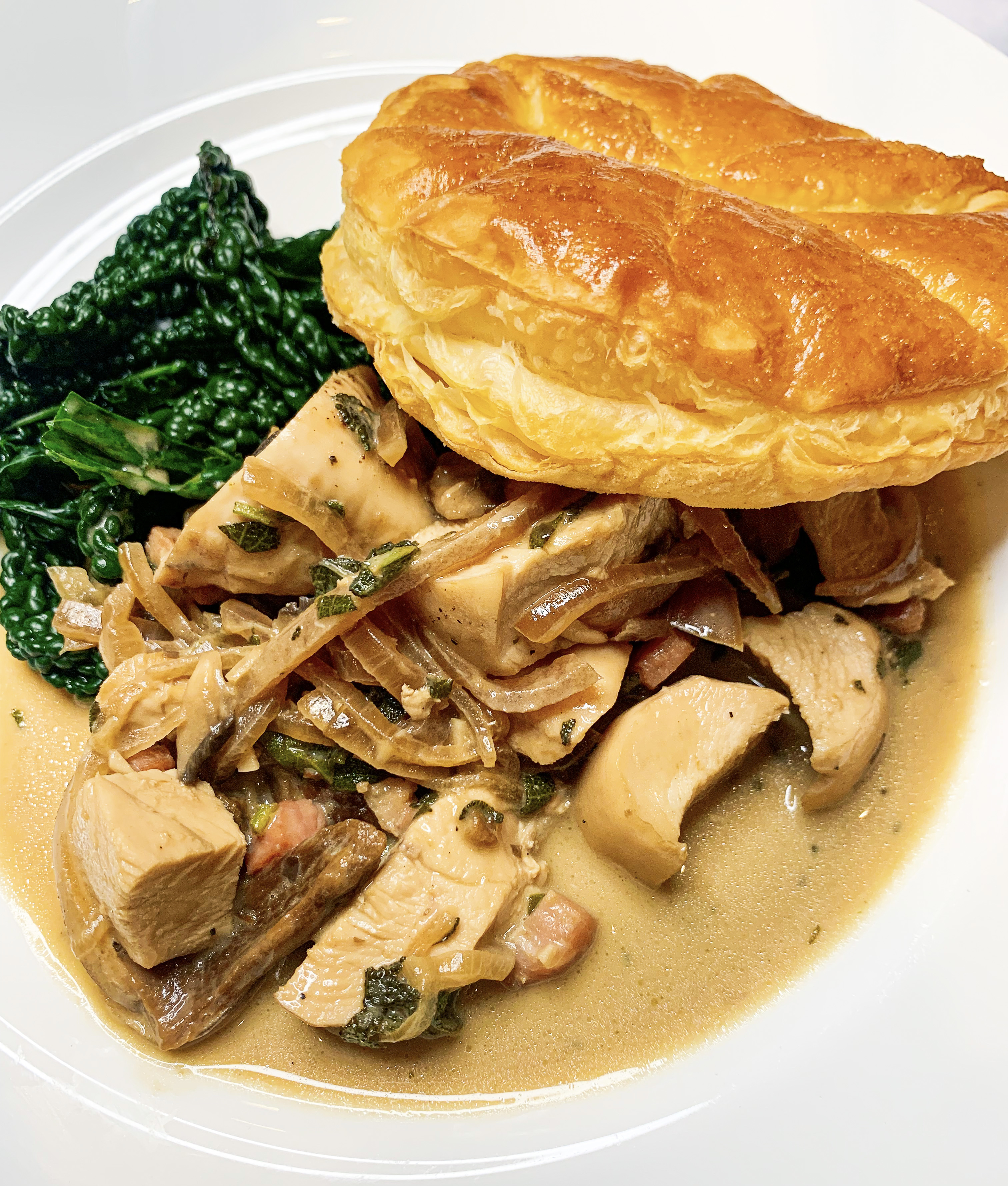
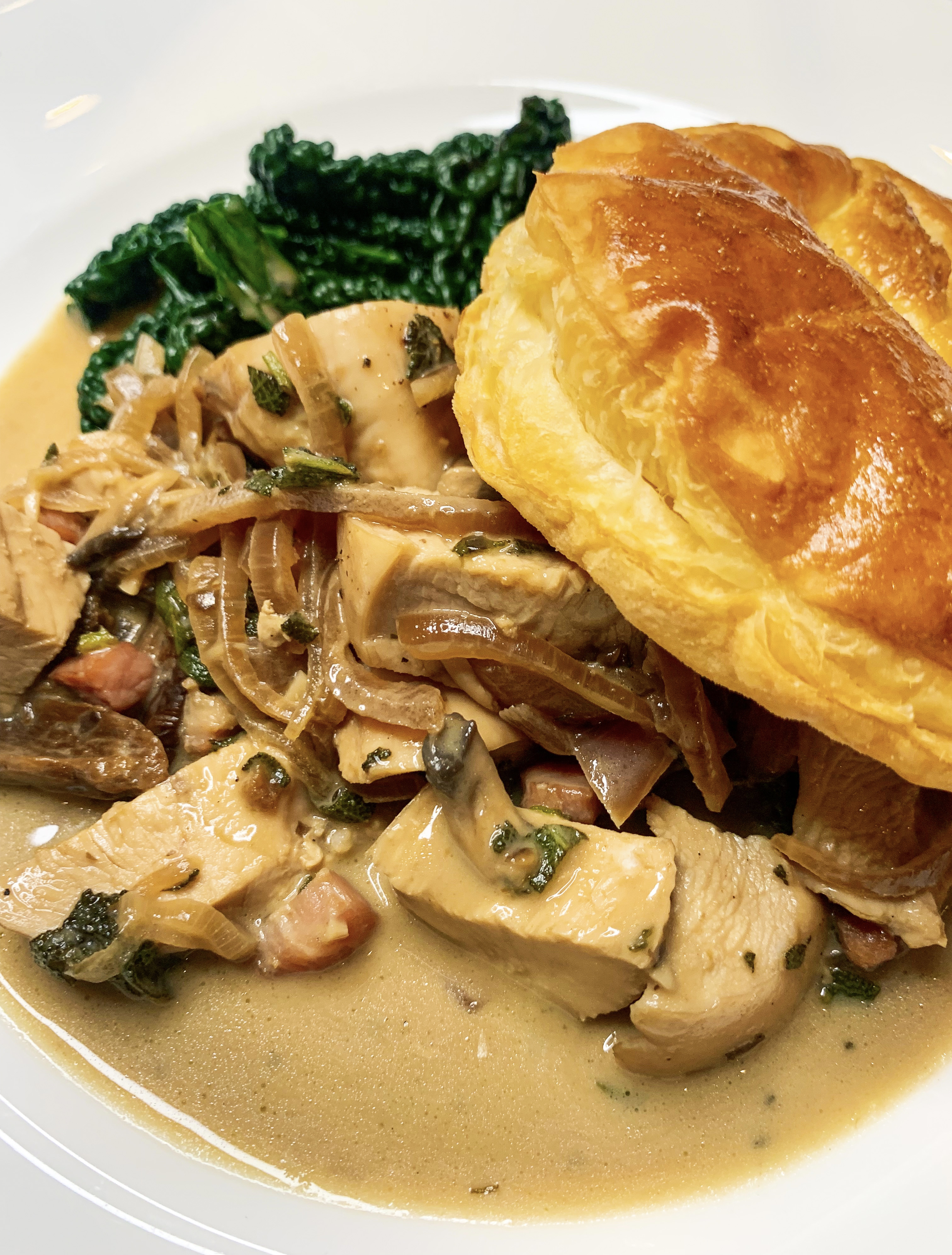
Deconstructed Chicken, Porcini, Pancetta and Sage Pies with Cavolo Nero (Serves 4)

The filling of these pies is very tasty, the dried porcini give it a deliciously robust flavour. The individual pastry lids mean that you can serve up gluten-free options if required, or for a lighter supper, simply serve the chicken mixture with the cavolo nero. The pastry lids would work just as well with any sort of stew or casserole – a great idea for serving up leftovers!…

500g skinless chicken breasts

25g dried porcini

1 chicken stock cube

3 tablespoons olive oil

2 small red onions sliced into half-moons

1 large garlic clove, finely chopped

100g smoked pancetta, cubed

20g fresh sage leaves, chopped

150g portabellini mushrooms, roughly chopped

½ tablespoon cornflour

250g créme fraiche

320g Ready rolled puff pastry (gluten-free if required)

1 egg, beaten

400g cavolo nero (or savoy cabbage)

  1. Put the porcini in a bowl with the stock cube and 250ml boiling water, leave to rehydrate for 5 minutes, then drain, reserving the liquid; roughly chop and set aside until needed.
  2. Season the chicken and place on a baking tray, drizzle with olive oil and cook in a preheated oven, 160’c fan, for 25 minutes or until the juices run clear; chop and set aside until needed.
  3. Add the oil to a large frying pan and gently sauté the onions over a low heat for 5 minutes. Add the garlic and cook for a further 2 minutes. Increase the heat and add the pancetta and sage, stirring for 2-3 minutes until the pancetta is golden brown.
  4. Add the drained, roughly chopped porcini, cook for a further 2 minutes. Pour in the reserved porcini liquid and the portabellini mushrooms, then continue to cook for 2 minutes.
  5. Mix the cornflour and crème fraiche together and add to the pan. Bring to the boil to thicken, then remove from the heat. Stir in the chopped chicken and set aside until needed.
  6. Unroll the pastry and cut out 4 round lids – a small saucer approx.12cm diameter makes a good template. Gently score a pattern into the pastry. Brush a little beaten egg over the top of each lid and place on a baking tray. Cook in a preheated oven, 180’c fan for about 20 minutes, until puffed and golden brown.
  7. Meanwhile, cook the cavolo nero, cut out the bitter stem from the leaves and discard and roughly chop the leaves. Bring a large pan of salted water to the boil. Drop in the cavolo nero and cook for 3-4 mins until wilted and darker in colour.
  8. Just before serving bring the chicken mixture to the boil. Divide the cavolo nero between four plates, then top with the reheated chicken ‘filling’ and an individual pastry lid.

Menu Three

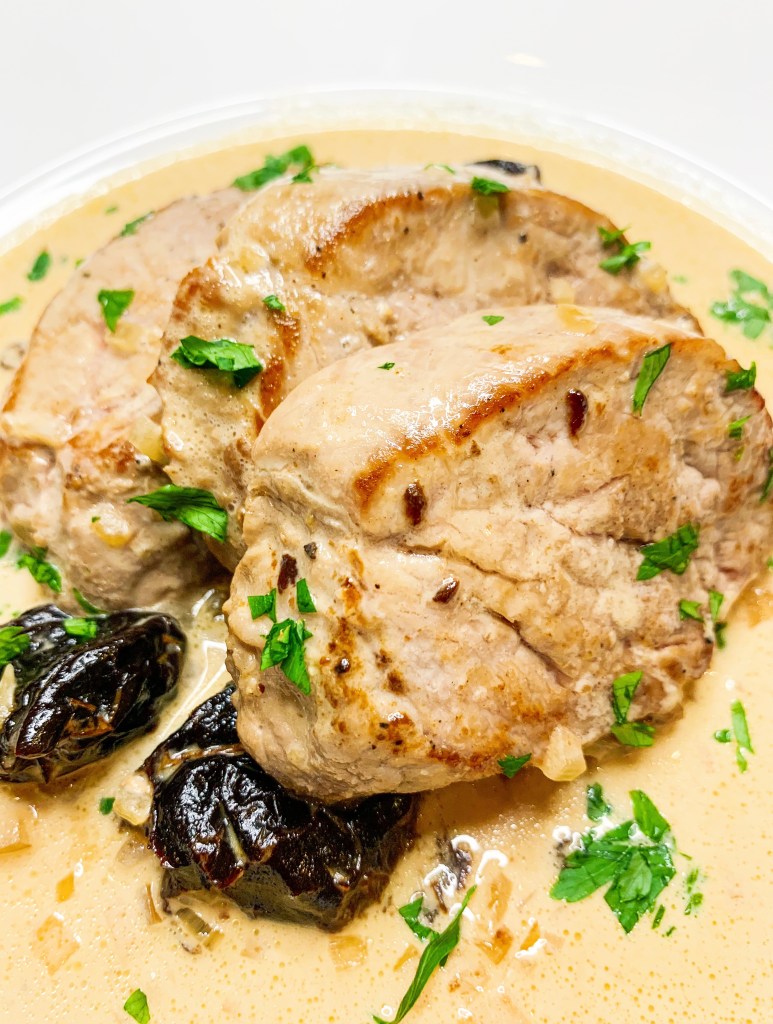
Medallions of Pork with Prunes & Cognac (Serves 4)

As Rick Stein says in his cookbook ‘Secret France’, this is one of those recipes which has been around forever. Indeed, I have cooked it in various forms over the years, but it is this recipe from Stein’s aforementioned cookbook that is the winner (so far!).  Apart from being delicious, it’s a recipe that is very quick and easy to cook, hence its ongoing popularity. It’s great served with ‘My Favourite Mash’ and ‘Sautéed Spinach with Garlic’ (recipes here).

30g butter

2 teaspoons olive oil

700g pork fillet, trimmed of slivery sinew and cut into 1 cm rounds

2 banana shallots, chopped

60ml Cognac or brandy

150ml double cream

250ml chicken stock

2 teaspoons redcurrant jelly

A few fresh thyme sprigs

12 ready-to-eat pitted prunes

Small handful flatleaf parsley, roughly chopped

Sea salt and black pepper

  1. Heat half the butter with the oil in a frying pan and brown the pork medallions for 1-2 minutes, then set them aside.
  2. Add the remaining butter and gently fry the shallots until softened. Then add the Cognac and cook for a minute or so until the liquid is reduced by half.
  3. Add the cream, chicken stock, redcurrant jelly, thyme sprigs and prunes, and cook for a couple of minutes before putting the pork medallions and any of their juices back in the pan. Taste and season with salt and plenty of pepper, then cook for a further 3-4 minutes until the pork is just cooked through.
  4. To serve, remove the thyme and sprinkle with the parsley.

Menu Four

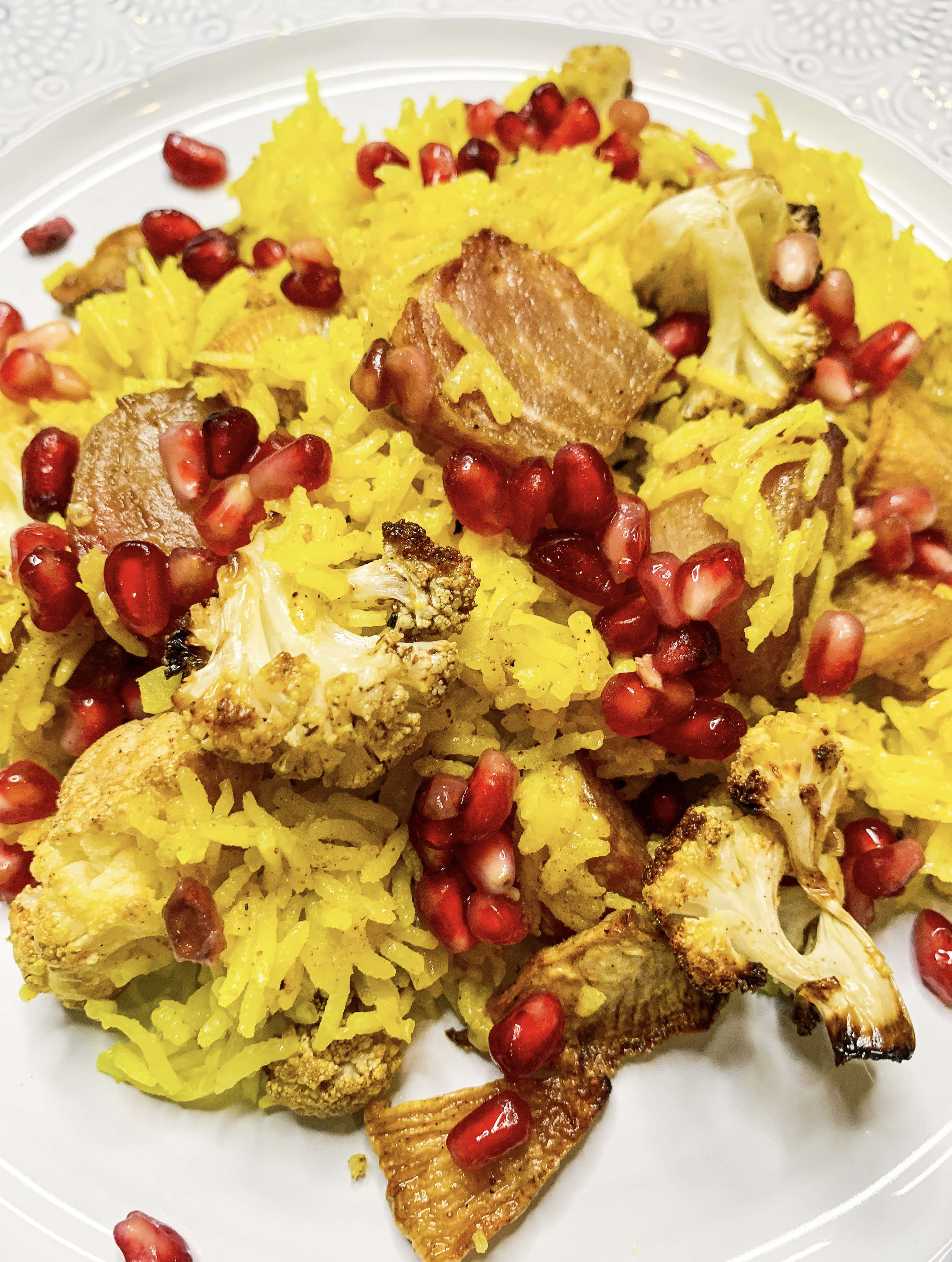
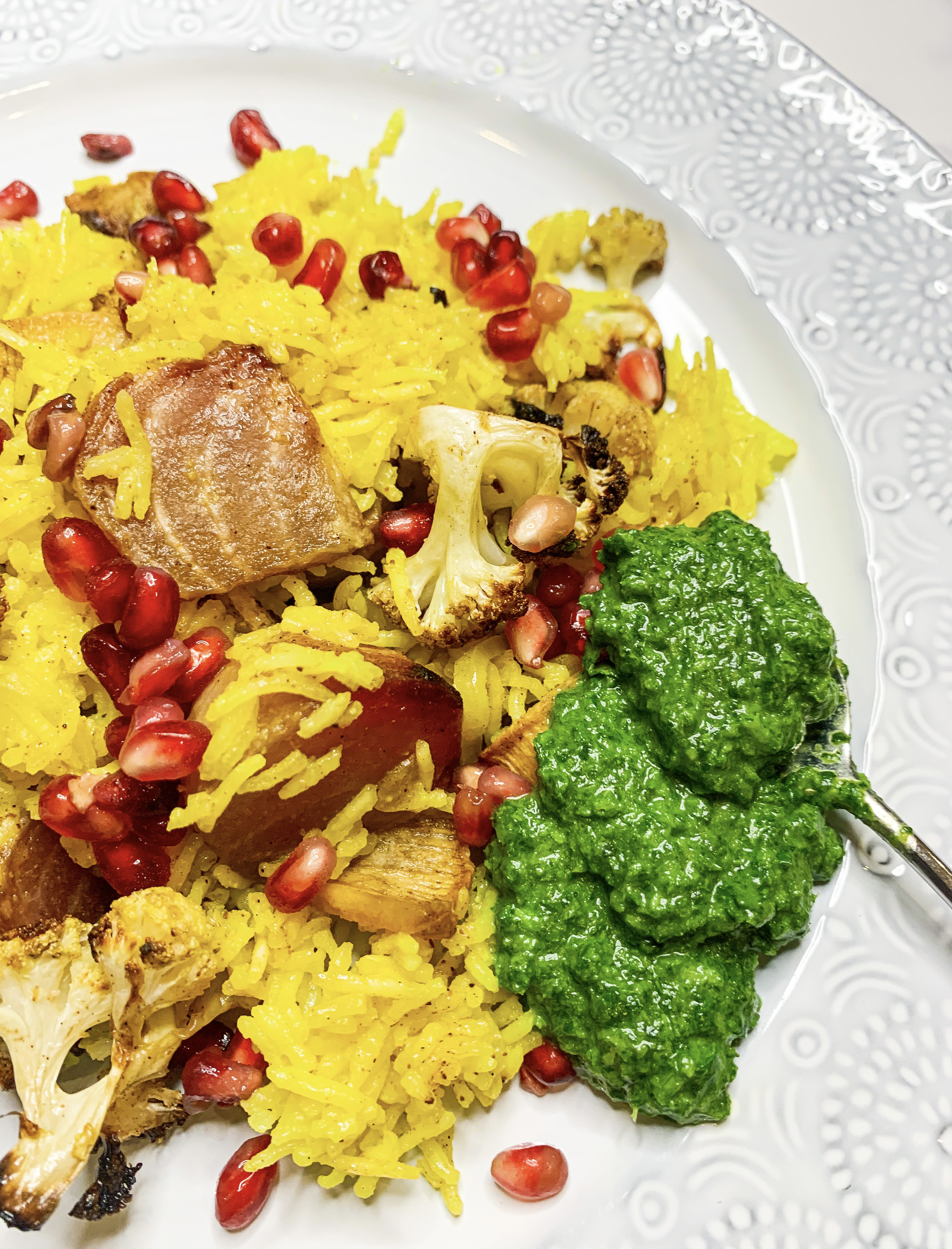
Winter Pilau with Beetroot, Cauliflower and Coriander Chutney (Serves 4)

I love the jewel-like colours of this dish – the brightness of the turmeric stained rice, the pomegranate and beetroot with the vivid green of the coriander chutney is beautiful. That’s just the colours… the flavours will really add a ‘zing’ to your day! This recipe is from Meera Sodha’s cookbook, ‘East’.

300g basmati rice

600g cauliflower, broken into bite-size florets

400g raw beetroot peeled and cut into wedges

300g swede, peeled and cut into 1cm x 3cm slices

2½ teaspoons garam masala

Rapeseed oil

Sea salt

1 x 400ml tin of coconut milk

6 cloves of garlic, roughly chopped

2cm ginger, peeled

2 green finger chillies

1 teaspoon ground turmeric

1 large onion, finely sliced

100g fresh coriander

1 tablespoon lemon juice

1 teaspoon caster sugar

2 handfuls of pomegranate seeds

  1. Wash the rice in a few changes of cold water, until the water runs clear then leave to soak in cold water.
  2. Put the cauliflower on a baking tray in a single layer and on another baking tray put the beetroot and swede, again in a single layer. In a small bowl, mix the garam masala, 5 tablespoons of rapeseed oil and ¾ teaspoon of salt, then drizzle this mixture over the veg on both trays, tossing to coat. Roast in a preheated oven, 200’c fan, for 25-30 minutes until tender and caramelised in places (the swede and beetroot may need a little longer).
  3. While the vegetables are cooking make the sauce for the rice. Put 300ml of the coconut milk into a blender/processor with the garlic, ginger, one of the chillies, the turmeric and ¾ teaspoon of salt, then blitz until smooth.
  4. In a large frying pan with a tight fitting lid, heat 2 tablespoons of rapeseed oil over a medium heat. Fry the onion for 10 minutes then add the coconut sauce and cook for 8 minutes, stirring frequently. Add the drained rice with 400ml of freshly boiled water, and bring to the boil. Put on the lid, turn the heat down to very low, so that it is barely simmering, and cook for 20 minutes, until the rice is cooked through.
  5. Remove the pan from the heat and fold through the cooked, roasted vegetables, replace the lid, and leave to one side to steam for 10 minutes.
  6. Meanwhile make the chutney. Put the remaining 100ml of coconut milk in a blender/processor with the coriander, the other chilli, lemon juice, sugar and ½ teaspoon salt. Blend until smooth and scrape into a serving bowl.
  7. Transfer the rice to a platter, sprinkle over the pomegranate seed and serve with the coriander chutney alongside.