October 2025

Australia has recently been a topic of conversation that I’ve had with various friends and family. It seems that it’s not only the ‘in’ place to visit, but it’s also encouraging many young people from the UK to up sticks and try a completely different life. Indeed, just this month, my nephew is taking advantage of the two-year work visa scheme and is moving over to Sydney indefinitely! Hopefully, my son, Felix, won’t be following suit anytime soon – he holidayed there earlier this year, and for some time Australia was ‘flavour of the month’, however, I’m hoping that he’s finally back in the swing of London life and appreciating the pros of life in the UK. Admittedly, those pros can sometimes be hard to find; apart from, of course, the presence of myself and the rest of the family! The sunshine is one of the big attractions of living down under, but as I was saying to Felix just the other day, “wouldn’t you miss the seasons?”. And, it’s with this thought that I arrive at this month’s recipes… October marks our transition into the autumn, the days get cooler and shorter, but on the upside, there are the autumnal colours that start to arrive as the trees turn from green to reds, oranges, yellows and golds! With such glorious colours, why on earth would you want to move to Australia?!.. This month’s recipes are a celebration of those colours. Not only are they hearty and warming, but with ingredients such as butternut squash and sweet potato, they sing with seasonal colour. Menu One is ‘Marmalade Duck with Roasted Sweet Potatoes & Lentils’ it’s a recipe from Raymond Blanc’s ‘Simply Raymond’ cookbook. It’s one of those impressive dishes which looks like you’ve been slaving away in the kitchen for hours, but it is, in fact, super easy. The sweetness of the potatoes complements the duck beautifully. If you’re feeling particularly healthy, you could even leave out the duck and just serve the ‘Roast Sweet Potatoes & Lentils’ as a vegetarian main course! Menu Two is another bright coloured dish, ‘Roast Pumpkin Masak Lemak’ is a recipe from one of my favourite cookbooks of 2025, Agak Agak by Shu Han Lee. The pumpkin is cooked in coconut milk with a spice paste; the result is a mildly spiced, subtly sweet, delicious dish.

Menu One

Marmalade Duck (with Roasted Sweet Potatoes & Lentils) Serves 4

This is one of those impressive dishes which looks like you’ve been slaving away in the kitchen for hours, but it is, in fact, super easy. The sweetness of the potatoes complements the duck beautifully. If you’re feeling particularly healthy, you could even leave out the duck and just serve the ‘Roast Sweet Potatoes & Lentils’ as a vegetarian main course (double the recipe). The recipe is from Raymond Blanc’s ‘Simply Raymond’ cookbook (I’ve slightly changed the cooking instructions as I prefer to cook the duck in the oven rather than on the hob).

4 boneless duck breasts (approx. 160g each), skin on

4 tablespoons orange marmalade

1 tablespoon water

Dash of red wine vinegar

Sea salt and black pepper

  1. Score the skin of the duck breasts, through the fat but not all the way through to the flesh, and salt them.
  2. Place the breasts in a dry frying pan, skin side down, over a low heat to render down most of the fat, this may take as much as 10-15 minutes. When the fat is rendered, turn up the heat to crisp up and brown the skin (about 2 minutes). Finally, turn over to sear the underside for minute or so.
  3. Place the duck breasts on a baking tray in a preheated oven, 200’c fan, for 8-10 minutes. Remove from the oven and allow to cool for 5 minutes.
  4. Meanwhile in a small saucepan, warm the marmalade. Add the water and a dash of red wine vinegar. If the sauce looks too thick, add a little more water. Taste and season with salt and pepper accordingly.
  5. Carve each duck breast and place the slices on plates with the marmalade sauce spooned over. Serve with the ‘Roasted Sweet Potato & Lentils’ (recipe below).

Roasted Sweet Potatoes & Lentils (serves 4 as a side or 2 as a main)

3 sweet potatoes

400g tin green lentils, drained and rinsed

2 garlic cloves, peeled and crushed

2-3 tablespoons olive oil

2 generous pinches of sea salt

4 turns of ground black pepper

2-3 handfuls of spinach

1-2 tablespoons red wine vinegar

A handful of coarsely chopped flat-leaf parsley (optional)

  1. Peel the sweet potatoes and chop each of them into 8-10 pieces.
  2. Lay the sweet potatoes in a roasting tin, add the oil, sea salt and black pepper, and toss the potatoes so that they are evenly coated.
  3. Roast the potatoes in a preheated oven, 160’c, for 20 minutes. Remove the tin from the oven, turn the potatoes, add the crushed garlic and return to the oven for a further 5-10 minutes. The potatoes should be slightly golden on the edges and just cooked through.
  4. Finally, remove from the oven and while still hot add the lentils and spinach. Gently toss. The lentils will warm through and the spinach will wilt a little. Finish with a dash of vinegar and sprinkle with parsley, if using.

Menu Two

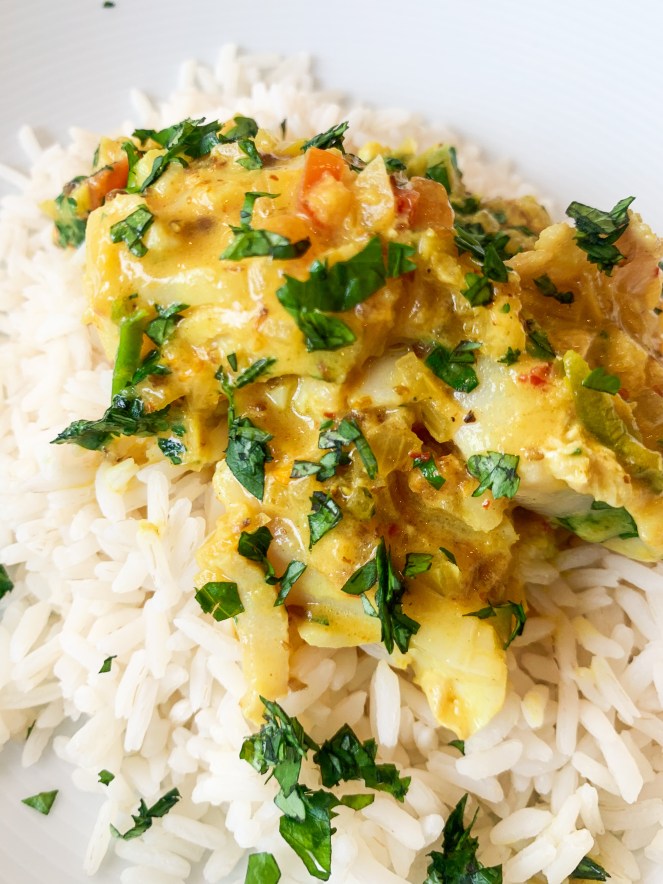
Roast Pumpkin Masak Lemak (Serves 3-4)

This is a recipe from one of my favourite cookbooks of 2025, Agak Agak by Shu Han Lee. The pumpkin is cooked in coconut milk with a spice paste; the result is a mildly spiced, subtly sweet, delicious dish. Simply serve with rice.

1kg pumpkin or winter squash

2-3 tablespoons vegetable oil

¾ teaspoon and a pinch of sea salt

200ml coconut milk

200ml water

For the spice paste:

100g shallots, roughly chopped

4 garlic cloves, peeled, roughly chopped

Thumb-sized piece of ginger, peeled and roughly chopped

3 large red chillies, roughly chopped

½ teaspoon ground turmeric

¼ teaspoon ground coriander

To finish:

Juice of ½ lime

Handful of fresh coriander, roughly chopped

1 red chilli, thinly sliced

  1. Cut the squash into 2-3 cm wedges, removing any seeds and fibrous bits and leaving the skin on. Toss with the oil  and a big pinch of salt and spread out on a large, deep roasting tray. Roast in a preheated oven, 190’c fan, for 20 minutes.
  2. In the meantime, pound all the spice paste ingredients together either in a small blender or with a pestle and mortar, until you get a fine paste. Fry the paste in a saucepan over a medium heat until very fragrant, about 10 minutes. Stir in the coconut milk and water and bring to a simmer. Season with ¾ teaspoon of salt.
  3. Pour the sauce over the squash in the roasting tin, cover with foil, and continue to roast in the oven for another 20-25 minutes until tender.
  4. To serve, with a squeeze of lime, the chopped coriander and some chopped chilli.

‘Blast From the Past’ Recipe

Spicy Prawn & Cherry Tomato Spaghetti (Serves 4)

This is one of those easy pasta sauces which is instantly gratifying; its slightly piquant flavour is cut by the sweetness bursting from the cherry tomatoes – sublime! I first shared this recipe in September 2022 – it’s a recipe we shouldn’t forget!!..

3 tablespoons extra virgin olive oil

400g peeled raw king prawns, defrosted if frozen

800g cherry tomatoes

3 garlic cloves, thinly sliced

¼ teaspoon chilli flakes

100ml dry white wine

2 tablespoons flat-leaf parsley, chopped

400g spaghetti (gluten-free if required)

  1. Heat the olive oil in a large frying pan over a high heat. Pat the prawns dry on kitchen roll and season with salt. Fry for 2 minutes on each side until golden. Remove the prawns to a plate and set aside.
  2. Tip the tomatoes, garlic and chilli into the pan, season with salt and pepper and cook until the tomatoes are lightly charred and beginning to burst. Pour in the wine and cook for a further minute.
  3. While the tomatoes are cooking, cook the pasta until al dente, according to the packet instructions. Drain, saving a tablespoon or so of the cooking water.
  4. Tip the pasta into the frying pan with the tomatoes. Add the cooked prawns and toss well to combine over the heat. Add a little of the reserved cooking water and continue turning the pasta in the sauce until well coated. Sprinkle with the chopped parsley and serve immediately.

Menu Mistress is away next week…

I will return with new recipes Wednesday 1st October!

Tuesday Treat

Nectarine & Raspberry Crisp (serves 6-8)

This is a recipe which I’ve been making for years, and just recently I realised that I’ve never shared it with you! It’s from Darina Allen’s cookbook, ‘A Year at Ballymaloe’. These days, nectarines are available year-round, and although when they’re out of season they tend to be hard and underripe, they’re great for cooking with. This dessert will give you a taste of summer in the deepest, darkest days of winter. Depending on the ripeness of the nectarines, when cooked they will either retain an ‘al dente’ bite or will be softly stewed; either way, they will taste wonderful with the raspberries, which will have melted down to give a syrupy sauce. It’s a delicious dessert, especially with a large dollop of whipped cream!..

115g plain white flour (gluten-free if required)

230g soft brown sugar

340g porridge oats

¼ teaspoon freshly ground nutmeg

⅓ teaspoon ground cinnamon

225g butter, melted

900g nectarines

340g raspberries

1 tablespoon cornflour

Whipped cream, to serve

*You will need a Lasagne-type dish approx. 30x25cm

  1. Put all the dry ingredients into a bowl, add the melted butter and mix until crumbly.
  2. Slice the nectarines into the oven proof dish. Add the raspberries, sprinkle over the cornflour and mix well. Top with the crumble mixture.
  3. Bake in a preheated oven, 180’c fan, for about 40mins or until the topping is crisp and golden and the fruit is tender (see note above).
  4. Serve with softly whipped cream!

September 2025

September… Buckle up and hold on tight, it’s back to the rat race! After the summer holidays, September usually means a return to routine. For me, that’s not necessarily a bad thing as admittedly I like the comfort routine can offer. No doubt by January I’ll be yearning for adventure (and some sunshine!) but for now I’m happy to get back into my kitchen and do some ‘proper’ cooking. Hence this month’s recipes, although easy, require a little time. They’re comforting dishes which will take you through the coldest months of the winter into the spring! Menu One is ‘Pork Shoulder Ragu with Creamy Goat Cheese’ from Athena Caldrone’s ‘Cook Beautiful’ cookbook. At first, I was sceptical of this book as the author is first and foremost an Instagram ‘lifestyle influencer’ rather than a chef, however, I’ve been very impressed with its recipes and this ragu has become a firm favourite. Often, slow-cooked Ragu’s can be very heavy but this one is surprisingly light plus the creamy goat cheese topping gives it a very modern edge. From the depths of the winter to a sunny summer’s day this is a recipe you’ll make time and time again! Menu Two is taken from Pierre Koffman’s book, ‘Memories of Gascony’. ‘Guinea Fowl with Agen Prunes & Cointreau’ is a classic French recipe. The guinea fowl is basted regularly during cooking with duck (or goose) fat creating a succulent, golden-coloured roast. The Cointreau and orange sauce, sweetened by the addition of the prunes, is absolutely delicious – autumn was made for this type of recipe!

With recipes like these returning to routine isn’t so bad after all is it?!..

See you next week for my Tuesday Treat. In the meantime, if you’re looking for some tunes to cook to check out my playlists here – they’re all available on Spotify!

Menu One

Rigatoni with Pork Shoulder Ragu & Creamy Goat Cheese (Serves 6-8)

This recipe is from Athena Caldrone’s ‘Cook Beautiful’ cookbook. At first, I was sceptical of this book as the author is first and foremost an Instagram ‘lifestyle influencer’ rather than a chef, however, I’ve been very impressed with its recipes and this ragu has become a firm favourite. Often, slow-cooked Ragu’s can be very heavy but this one is surprisingly light plus the creamy goat cheese topping gives it a very modern edge. From the depths of the winter to a sunny summer’s day this is a recipe you’ll make time and time again!

*Do try to get tinned ‘San Marzano’ tomatoes, they are more expensive but so much tastier – I’m a convert! (If you can only get whole tomatoes simply cut them up in the tin with a pair of kitchen scissors).

1.8kg boneless pork shoulder, excess fat trimmed, cut into 5cm pieces

2 tablespoons olive oil

2 sprigs fresh rosemary

3 sprigs of fresh sage

240ml dry white wine

1.2 litres chicken stock (just enough to cover the meat)

55g unsalted butter

2 teaspoons fennel seeds, toasted in a dry frying pan and lightly crushed

2 carrots, finely chopped

1 stalk of celery, finely chopped

1 onion, finely chopped

4 cloves of garlic, chopped

1 teaspoon chilli flakes

240ml whole milk

2 x 400g tins chopped tomatoes – San Marzano if possible (*see note above)

1 tablespoon tomato paste

455g rigatoni pasta (gluten-free if required)

115g soft goat cheese

50g coarsely grated pecorino Romano cheese

4 sprigs of parsley, chopped

Sea salt and black pepper

  1. Season the pork generously with salt and pepper. In a large casserole pan, heat the oil over a medium-high heat and working in two batches sear the pork until well browned on all sides. Transfer to a plate.
  2. Drain all but 2 tablespoons of fat from the pan. Tie the rosemary and sage into a bundle with kitchen string, then add it to the pan along with the wine. Using a wooden spoon, scrape up any browned bits of pork stuck to the bottom of the pan. Simmer over a medium-low heat until the wine has reduced by half.
  3. Return the pork to the pan, pour in the stock and bring to a simmer. Cover the pan with a lid and place it in a preheated oven, 165’c fan, for 1½ to 2 hours, or until the pork is very tender.
  4. Using a slotted spoon, transfer the pork to a plate. Skim off the fat from the braising liquid and return the pan to the stove. Bring the braising liquid to the boil and boil vigorously for approximately 30 minutes, until the liquid is reduced to about 240ml. Meanwhile, shred the pork with a fork.
  5. Transfer the reduced braising liquid to a bowl. Return the pan to the stove and melt the butter over a medium heat. Add the fennel seeds, carrots, celery, onion and garlic and sauté for 6-8 minutes, until the onion is soft and translucent. Stir in the chilli flakes and sauté for a minute. Add the milk, tomatoes, tomato paste, pork and reserved braising liquid. Simmer, uncovered, for about 45 minutes to 1 hour, until the flavours meld and the ragu slightly thickens. Taste and adjust the seasoning.
  6. Meanwhile cook the rigatoni according to the packet instructions, until al dente.
  7. In a small bowl combine the goat cheese with a little warm water – add a little at a time until it is smooth, thick and creamy, similar to the consistency of sour cream.
  8. To serve divide the pasta among bowls and pile each with the ragu. Top with some grated pecorino cheese and a dollop of goat cheese, season with freshly cracked black pepper.

Menu Two

Guinea Fowl with Agen Prunes & Cointreau (Serves 3-4)

This is a classic French recipe from Pierre Koffmann’s cookbook, ‘Memories of Gascony’. The guinea fowl is basted regularly during cooking with duck (or goose) fat creating a succulent, golden-coloured roast. The Cointreau and orange sauce, sweetened by the addition of the prunes, is absolutely delicious. Autumn was made for this type of recipe, however, I would happily eat it at any other time of the year! This is an easy recipe, however, it is important to baste the guinea fowl every 5 minutes to ensure it is both moist and beautifully golden.

*depending on the size of the guinea fowl this recipe will serve 3-4 people, the recipe can easily be doubled for a larger crowd.

1 x guinea fowl, roughly 1.2kg (*see note above)

12 Agen prunes

75g duck or goose fat

20g shallots, finely chopped

50ml Cointreau

Juice of 4 medium oranges

25g butter

  1. Season the guinea fowl, smear with the duck or goose fat and roast in a preheated oven, 200’c fan, for 45-55 minutes, basting every 5 minutes, until the juices run clear.
  2. Remove the guinea fowl to one side, keep warm. Tip the fat out of the pan, add the shallots and sweat for 3 minutes. Add the Cointreau and very carefully light it using a long kitchen match. When the flames have died down add the orange juice and scrape up all the congealed juices. Pass the sauce through a sieve into a saucepan. Add the prunes to the juice and simmer for 5 minutes.
  3. Cut the guinea fowl into 8 pieces and place on a serving dish. Beat the butter into the sauce, check the seasoning and pour it over guinea fowl.

‘Blast From the Past’ Recipe

Linguine with Asparagus and Prosecco (Serves 4)

I thought that with the summer days getting shorter and our need to make the most of them it would be a good idea to share this wonderfully simple recipe from Skye McAlpine’s cookbook ‘A Table in Venice’ (I first shared it back in the summer of 2021). As she herself says, cooking with Prosecco always seems rather extravagant, but the delicacy of Prosecco definitely lends something extra special to the sauce. I also use Prosecco when I cook ‘Spaghetti Vongole’ (recipe here), as it gives the sauce a lightness (from the bubbles) and a subtle sweetness. You could, of course, use white wine instead of Prosecco, but do try it with Prosecco at some point. The mini bottles of Prosecco are perfect for this recipe, or of course you could get a full bottle and enjoy the remainder of the bottle with your meal!

1 tablespoon olive oil

1 small onion, chopped

400g asparagus, trimmed and cut into 3 cm lengths

100ml Prosecco

Handful of parsley, chopped

400g linguine (gluten free if required)

30g butter

30g parmesan cheese, grated

Sea salt and black pepper

  1. Heat the olive oil in a large frying pan over a medium heat, then add the onion and a generous pinch of salt. Cook, stirring over a low-medium heat for 5-10 minutes until softened but not coloured.
  2. Add the asparagus and Prosecco, and season with salt and pepper.
  3. Cook, stirring, for about 5 minutes, until the Prosecco has evaporated and the asparagus is tender (if it is not quite cooked by the time that the liquid has evaporated add a splash of water and cook for a little longer). Finally stir in the parsley.
  4. Meanwhile cook the linguine according to the packet instructions, until al dente. Just before draining the pasta, scoop out about half a cup of cooking water and set to one side.
  5. Drain the pasta, toss it back into the pan and add a good splash of the reserved cooking water to ‘loosen’ it. Little by little stir in the butter. Finally add the asparagus mixture, give everything a good stir and serve topped with grated Parmesan cheese.